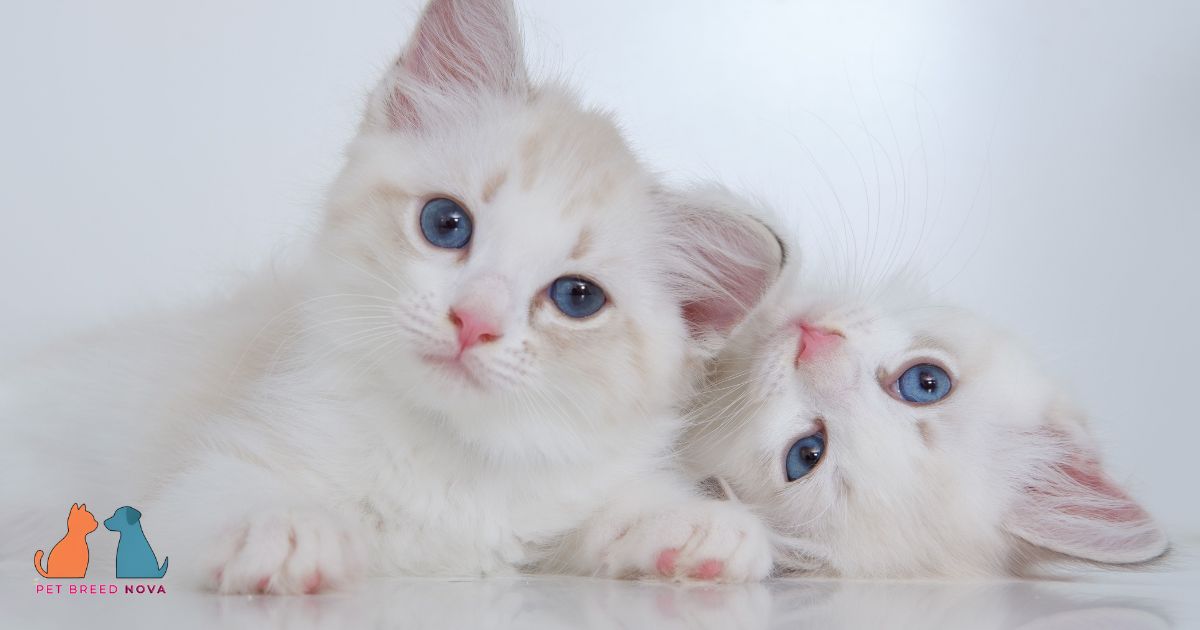
Ragdoll cats stand out as one of the most graceful and affectionate companions you can welcome into your home. Known for their calm spirit and striking blue eyes, this breed has captured attention across the world, especially in the USA and Europe.
Their gentle nature places them among the most admired gentle cat breeds for families, while their soft coat and relaxed posture reflect true elegance. Many cat lovers explore the Ragdoll cat breed history to understand their unique charm. These beautiful cats are often linked with Ragdoll cat personality traits that feel almost dog-like in loyalty. With proper care, their loving temperament turns every home into a peaceful, joyful space filled with warmth and companionship.
Ragdoll Cats Breed Overview and Key Features
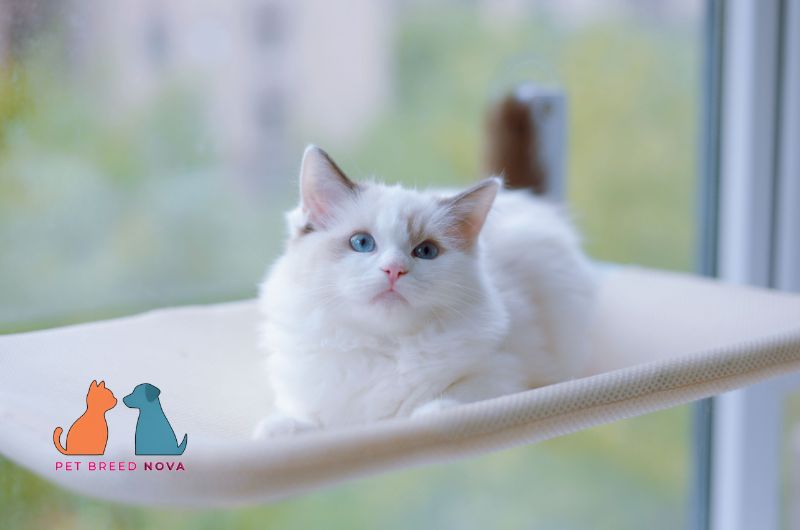
Among all modern cat breeds, Ragdolls stand out for their calm attitude and strong attachment to people. They belong to a group of blue-eyed cat breeds known for beauty and gentle behavior. Many owners describe them as living teddy bears because they enjoy cuddles and often relax completely when picked up. This unique characteristic has led many people to ask why Ragdoll cats go limp when held. While not every cat displays this behavior to the same degree, many Ragdolls naturally relax their muscles when they feel safe and comfortable.
One of the most appealing aspects of the breed is its adaptability. Whether you live in a spacious suburban home in the USA or a city apartment in Europe, a Ragdoll can adjust well to indoor living. Their affectionate nature places them among the most popular gentle cat breeds for families and one of the most recognized lap cats breed choices available today. Unlike highly independent cats, Ragdolls often seek companionship and enjoy spending time near their owners. People frequently ask are Ragdoll cats friendly because they often greet family members at the door and enjoy participating in daily activities.
Key Facts at a Glance
| Characteristic | Ragdoll Cat | |
| Origin | California, USA | |
| Coat Type | Semi-longhair | |
| Eye Color | Deep Blue | |
| Lifespan | 12-18 Years | |
| Personality | Gentle and Affectionate | |
| Size | Large | |
| Activity Level | Moderate | |
When discussing Ragdoll cat size and weight, adult females usually weigh between 8 and 15 pounds. Males often reach 12 to 20 pounds or more. Their impressive build places them among the world’s most admired large companion cats.
Why Ragdoll Cats Are So Popular
The breed’s popularity comes from a rare combination of beauty and temperament. Many owners compare them to dogs because they enjoy following people around the house. This behavior contributes to their reputation among cat lovers searching for Ragdoll cat characteristics and traits that differ from traditional feline behavior.
Another reason for their popularity is their compatibility with children and other pets. Families appreciate their patience and calm personality. Their relaxed nature answers common questions such as are Ragdoll cats aggressive, since aggression is generally uncommon in properly socialized Ragdolls.
Ragdoll Cats Breed History and Origin Story
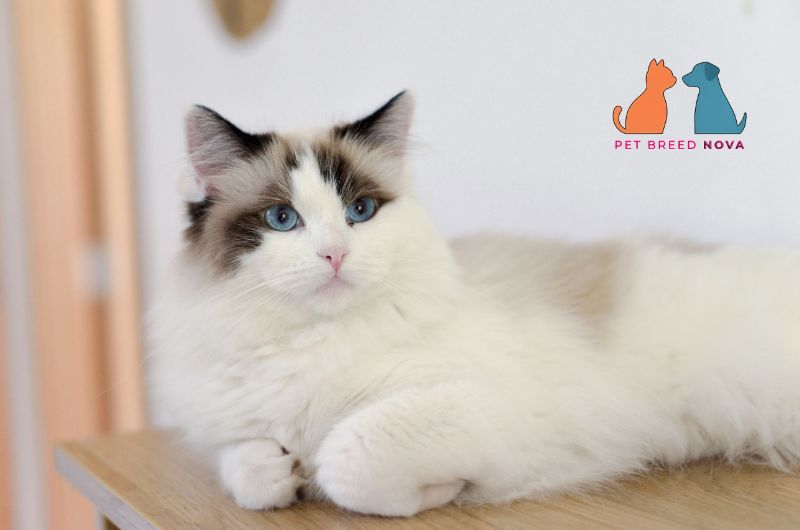
Every famous cat breed has an interesting beginning. The Ragdoll cat breed history starts in Riverside, California, during the early 1960s. The breed was developed by a breeder named Ann Baker. Her vision was to create a cat with an exceptional personality and attractive appearance. The resulting breed quickly gained attention for its unusual behavior and affectionate nature.
The story behind the breed remains one of the most discussed topics among cat enthusiasts. People often search for the history of Ragdoll cat breed because it contains both documented facts and fascinating legends. Understanding these origins helps explain why the breed became so distinctive.
The Creation of the Ragdoll Breed
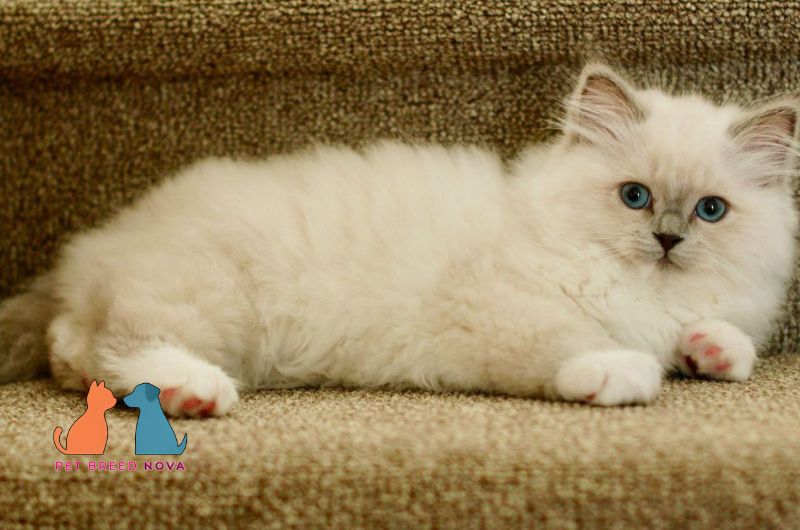
The story begins with Ann Baker Ragdoll cats, a phrase often associated with the foundation of the breed. Baker selected cats with desirable personalities and physical traits. Through careful breeding, she developed cats that displayed calm behavior, striking blue eyes, and luxurious coats.
Many cat historians credit Baker’s selective breeding methods for shaping the modern Ragdoll. Her efforts played a major role in Ragdoll cat development and laid the foundation for one of today’s most beloved cat breeds.
The Mystery of Josephine
Perhaps the most famous chapter in the breed’s history is the Josephine Ragdoll cat story. Josephine was a white long-haired cat that became the foundation female of the breed. According to popular stories, Josephine experienced a car accident before producing kittens with unusually relaxed temperaments.
Over time, these stories evolved into various Ragdoll cat myths and facts. While the legends are interesting, there is no scientific evidence that an accident altered Josephine’s genetics. Most experts agree that selective breeding played a far greater role in shaping the breed’s temperament.
How the Breed Gained Worldwide Recognition
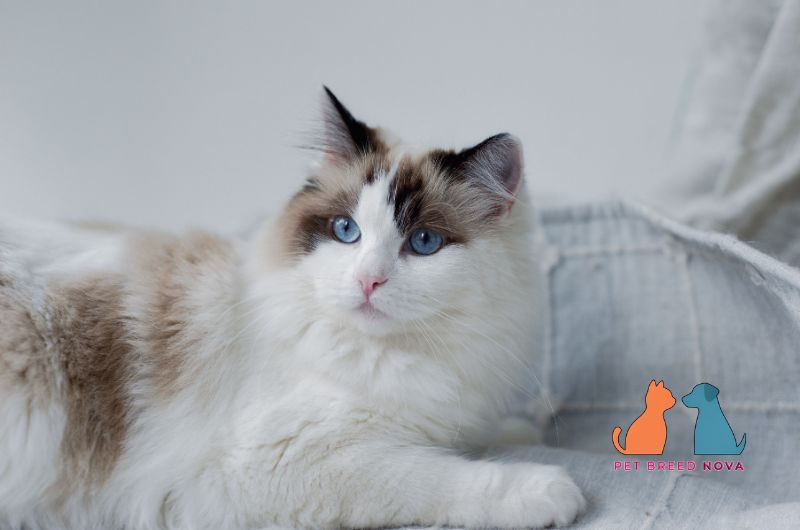
As the breed became more popular, dedicated breeders helped expand its presence across North America and Europe. The establishment of the International Ragdoll Cat Association (IRCA) helped promote breeding standards and preserve the breed’s unique qualities.
The growing popularity of Ragdolls eventually led to recognition by major cat organizations worldwide. Today, they are among the most admired companion cats in both Europe and the United States.
The Real Reason Behind the Calm Nature
Many people wonder why are Ragdoll cats so calm. The answer lies primarily in genetics and selective breeding. Breeders consistently chose cats with relaxed personalities, creating generations known for their gentle behavior and strong human bonds.
The breed’s temperament is not the result of mysterious events or unusual mutations. Instead, it reflects decades of careful breeding focused on producing a calm and affectionate companion. This explains much of the unique Ragdoll cat temperament admired by cat lovers around the world.
Ragdoll Cat Physical Appearance and Body Structure
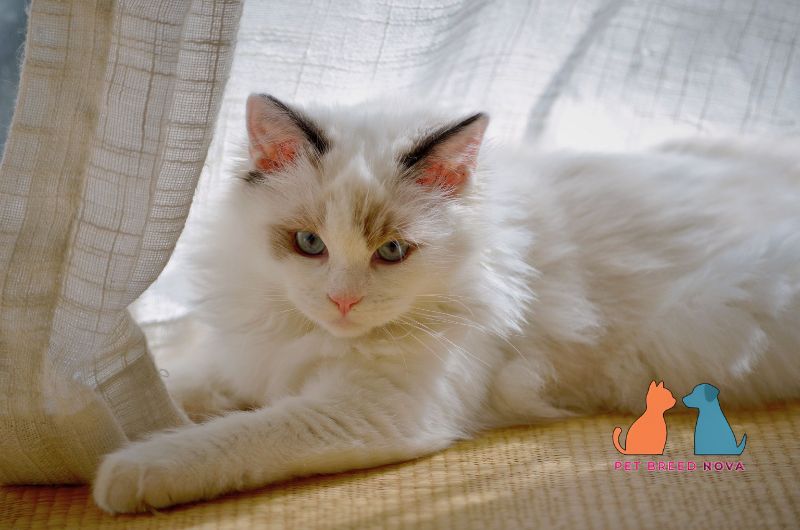
At first glance, the Ragdoll’s appearance is unforgettable. Their large frame, plush coat, and bright blue eyes create an elegant and powerful look. They belong to a group of cats admired for both beauty and size. Many prospective owners ask how big do Ragdoll cats get because photographs often make them appear even larger than they actually are.
Despite their size, these cats move with surprising grace. Their muscular bodies provide strength without sacrificing elegance. Combined with their soft coats, they create a balanced appearance that appeals to both experienced cat owners and first-time pet parents.
Distinctive Facial Features
The face of a Ragdoll is one of its most recognizable features. Their broad head, rounded cheeks, and deep blue eyes create a sweet expression that many owners find irresistible. These characteristics place them among the most admired blue-eyed cat breeds in the world.
Their eyes are particularly striking. The vivid blue color contrasts beautifully with their lighter coat shades. This feature has become one of the defining characteristics of the breed.
Ragdoll Cat Coat Colors and Patterns
One of the breed’s most fascinating features is its coat variety. The famous color point cat pattern remains the most recognized. In this pattern, darker coloration appears on the face, ears, tail, and legs while the body remains lighter.
Other popular variations include the mitted pattern, bi-color pattern, and van pattern. The diversity of colors and markings ensures that no two Ragdolls look exactly alike. Combined with their silky fur and elegant appearance, these patterns continue to attract cat lovers worldwide.
Ragdoll Cat Temperament and Personality Traits
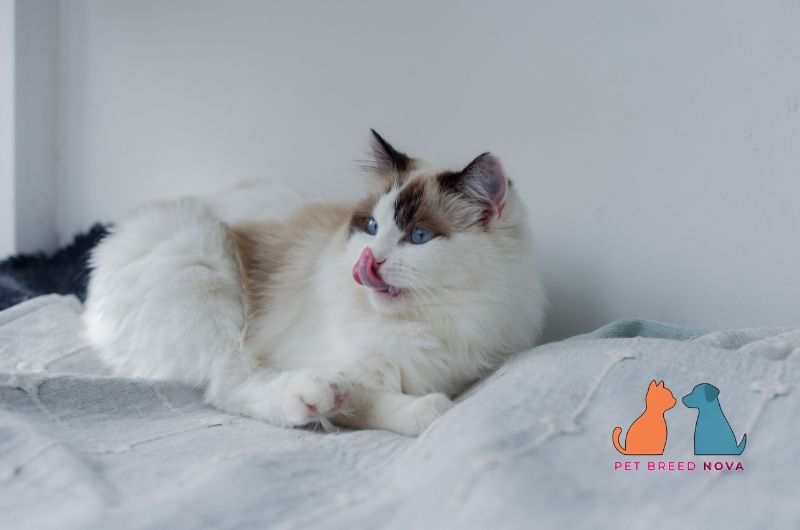
The Ragdoll’s charm begins with its gentle soul and steady temperament. Many owners instantly notice how quickly these cats build trust with humans. This is why people often search are Ragdoll cats friendly when learning about the breed. Their calm nature places them among the most loved affectionate cat breeds in the world.
Their personality feels almost human in daily life. They follow you from room to room and quietly observe your routine. This deep bond explains why they are often included in lists of best cat breeds for families. However, their emotional sensitivity also means they dislike long loneliness and prefer companionship.
Affectionate Nature and Family Compatibility
Ragdolls fit well into homes with children, seniors, and other pets. Their patience makes them ideal companions for calm family environments. Their behavior also explains why they rank high among gentle cat breeds for families.
They rarely show aggressive behavior and prefer walking away from conflict. This answers the common concern are Ragdoll cats aggressive, as aggression is uncommon in well-socialized Ragdolls.
Emotional Intelligence and Sensitivity
Ragdolls respond strongly to human emotions. If you are calm, they relax beside you. If you are busy, they quietly wait nearby. This emotional awareness makes them feel deeply connected to their owners.
This unique trait contributes to Ragdoll cat personality traits that many owners describe as soft, intuitive, and comforting. They create a peaceful home atmosphere that feels almost therapeutic.
How Smart Are Ragdoll Cats?
Ragdolls are not hyperactive problem solvers like some working cat breeds. Instead, they show practical intelligence. They understand human behavior and adjust accordingly. This balance makes them ideal indoor companions.
They learn through repetition and reward. This creates a calm training environment without stress. Their learning style strengthens the human bond over time.
Training a Ragdoll Cat Successfully
Positive reinforcement works best with Ragdolls. Treats, gentle praise, and consistent routines help them learn quickly. Harsh methods do not work well because these cats respond best to kindness.
Clicker training also produces good results. Many owners successfully teach simple commands such as sitting or coming when called. Their cooperative nature makes training enjoyable rather than difficult.
Can Ragdolls Learn Tricks?
Yes, Ragdolls can learn basic tricks like fetch and recall. Some even enjoy interactive games that involve chasing soft toys. This playful side strengthens their bond with humans.
However, they do not show extreme athletic behavior. Their charm lies in calm interaction rather than high-energy performance. This reflects their unique Ragdoll cat behavior style.
Common Behavioral Traits
Ragdolls are generally quiet cats with soft voices. They communicate through gentle sounds rather than loud meows. This makes them suitable for peaceful households.
They may show mild attachment behaviors. Some may follow their owners closely or wait near doors. This is part of their affectionate personality, not a sign of anxiety.
Ragdoll Cat Health Issues and Lifespan
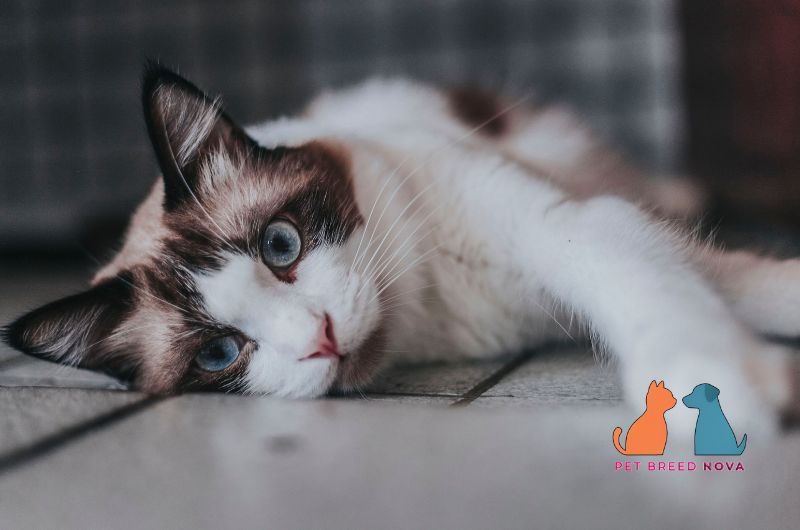
Ragdolls are generally healthy cats when cared for properly. However, like all breeds, they can face certain genetic health concerns. Understanding these early helps improve their quality of life and supports a longer Ragdoll cat lifespan.
With proper care, many Ragdolls live between 12 to 18 years. Indoor care plays a major role in increasing their lifespan and preventing illness.
Average Lifespan of a Ragdoll Cat
Indoor Ragdolls often live longer due to reduced risks. This is why indoor care for Ragdolls is strongly recommended by veterinarians. A stable environment helps them stay stress-free and healthy.
Their calm lifestyle also contributes to longer life expectancy compared to more active breeds.
Common Health Problems in Ragdolls
Some health issues appear more frequently in this breed. Hypertrophic cardiomyopathy (HCM) is one of the most discussed conditions. Regular vet checks help detect it early.
Other concerns include obesity and urinary issues. Because they are calm cats, weight gain can happen if diet and exercise are not balanced.
Preventive Veterinary Care
Routine checkups help maintain long-term health. Early diagnosis is essential for managing inherited conditions. Vaccinations and dental care also support overall wellness.
Healthy diet and active play reduce many common risks. Preventive care is always better than treatment later.
Ragdoll Cat Diet and Nutrition Requirements
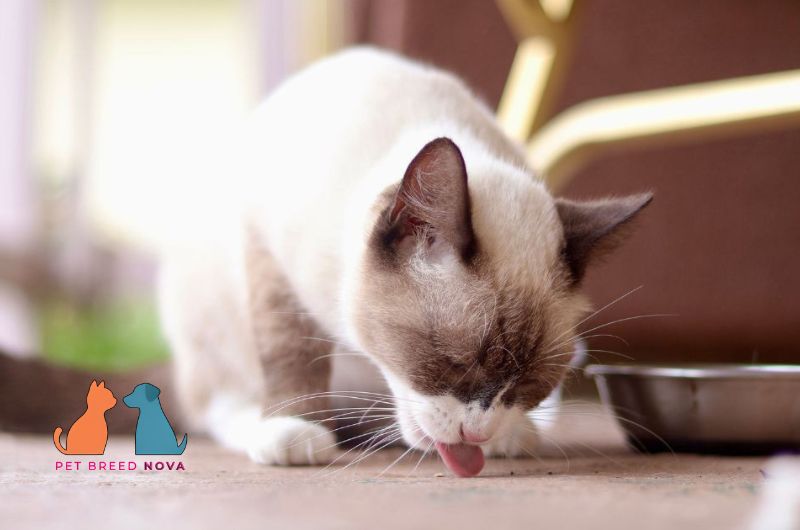
A balanced diet is essential for maintaining energy and coat health. Ragdolls need high-quality protein to support their large body structure. Proper feeding also improves coat shine and muscle strength.
Their diet directly affects their behavior and energy levels. Poor nutrition can lead to sluggishness or weight issues over time.
Nutritional Needs by Life Stage
Kittens need protein-rich food for growth. Adults require balanced meals to maintain weight. Senior cats benefit from easily digestible diets.
Each stage supports different body functions. Understanding these stages ensures healthy development and stable energy.
Best Protein Sources for Ragdolls
Chicken, turkey, and fish are excellent protein sources. These help maintain muscle strength and coat quality. Wet food also supports hydration and digestion.
Protein plays a key role in long-term health and activity levels.
Wet Food vs Dry Food
Wet food provides hydration and is easier to digest. Dry food helps maintain dental health. A combination often works best for Ragdolls.
Balanced feeding prevents obesity and supports healthy metabolism.
Foods to Avoid Feeding a Ragdoll Cat
Avoid processed human food, chocolate, and onions. These foods can harm their digestive system. Always choose vet-approved cat food options.
A controlled diet supports longer and healthier life.
Ragdoll Cat Grooming Guide and Coat Maintenance
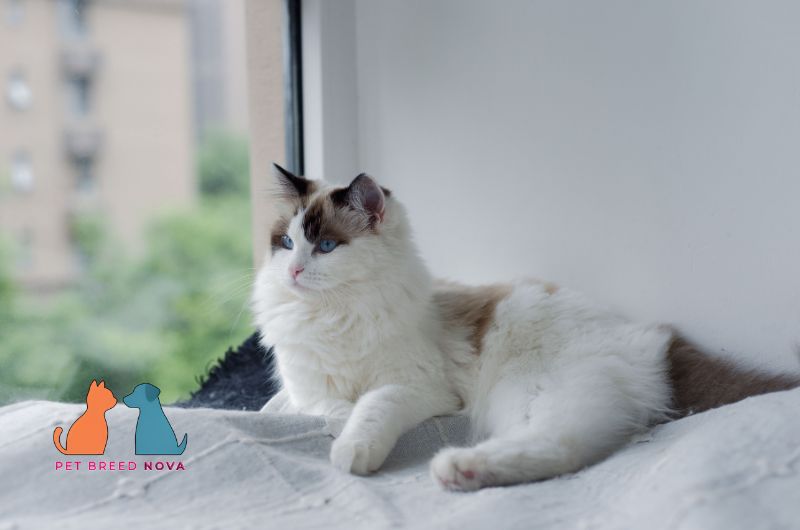
Ragdolls carry a silky semi-long coat that looks luxurious yet stays surprisingly manageable. Many owners worry about upkeep, especially when they hear about Ragdoll shedding coat care. However, their coat is less prone to matting compared to other long-haired breeds, making grooming more predictable and calm.
Regular grooming keeps their coat healthy and reduces loose hair around your home. This also improves skin health and strengthens your bond with your cat. Many first-time owners quickly realize that Ragdoll cat grooming needs are easier than expected when done consistently.
Bathing and Coat Care Tips
Ragdolls do not require frequent baths unless they get dirty. Their coat naturally resists heavy dirt buildup. Occasional bathing helps maintain shine and cleanliness.
Use mild cat-safe shampoo and dry them gently. Always avoid cold water or rough handling. A calm approach keeps grooming stress-free.
Grooming Tools Recommended for Ragdolls
A soft-bristle brush works well for daily grooming. A wide-tooth comb helps remove loose undercoat hair. Nail clippers designed for cats ensure safe trimming.
These tools make grooming simple and effective for all owners.
Creating a Cat-Friendly Home
A Ragdoll-friendly home should include cozy sleeping spaces and climbing areas. Soft lighting and quiet corners help them relax. They enjoy observing family activities from safe spots.
Environmental comfort supports their gentle temperament and emotional balance.
Essential Supplies Every Owner Needs
Every Ragdoll home should include a litter box, scratching post, cat tree, and soft bedding. These essentials support natural behavior and comfort.
Proper setup reduces boredom and improves overall behavior.
Ragdoll Cat Exercise, Play and Mental Stimulation
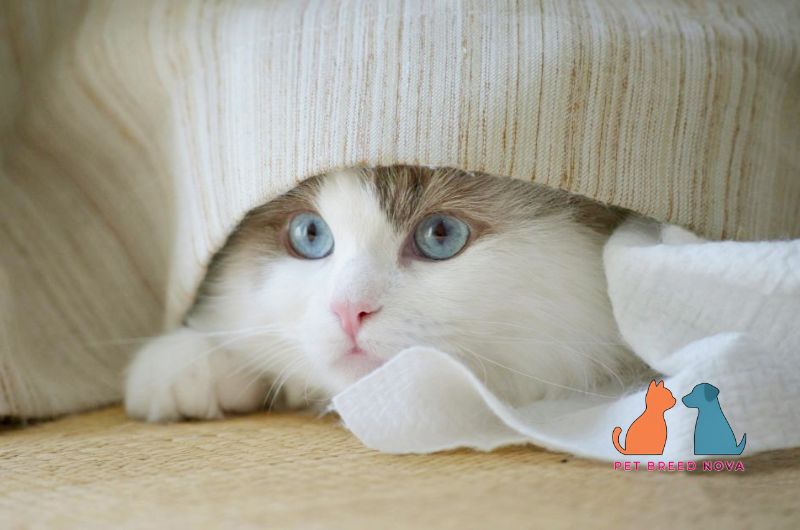
Although Ragdolls are calm, they still need daily play to stay fit. Gentle activity supports weight control and mental health. Many owners enjoy watching their soft energy bursts during playtime.
Their playful side is subtle but meaningful. It strengthens their bond with humans and improves emotional well-being.
Daily Activity Requirements
Short play sessions of 15 to 30 minutes are usually enough. They prefer slow and interactive games rather than fast movement. This fits their natural personality style.
Regular activity prevents obesity and supports long-term health.
Buying or Adopting a Ragdoll Cat: What You Should Know
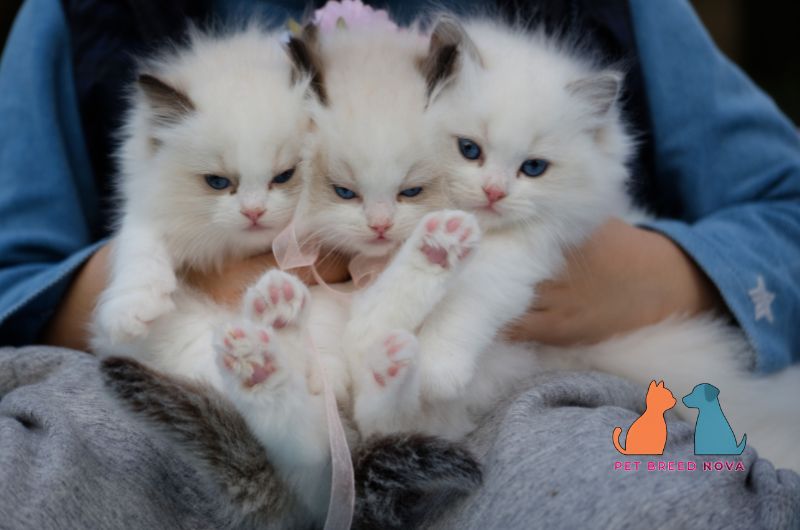
Choosing a Ragdoll requires careful thought. Whether you adopt or buy, understanding the breed helps avoid problems later. Many people search what makes Ragdoll cats special before deciding to bring one home.
Responsible ownership begins with ethical sourcing. A healthy kitten ensures a better long-term experience.
Should You Buy or Adopt?
Adoption gives a second chance to a cat in need. Buying from breeders ensures predictable lineage and traits. Both options can be good depending on your situation.
The key is responsible and informed choice.
Choosing a Reputable Ragdoll Breeder
A good breeder provides health records and proper care history. They also focus on ethical breeding practices. Avoid breeders who cannot provide clear information.
Ragdoll Cat vs Other Cat Breeds Comparison
Ragdolls often stand out when compared with other popular cats. Their soft temperament and calm lifestyle make them different from energetic or independent breeds. Many people searching difference between Persian and Ragdoll cats want to understand which breed suits their home better. The answer depends on lifestyle, patience level, and emotional preference.
These comparisons help you see why Ragdolls are often placed among the largest domestic cat breeds and also among the most affectionate companions. Their gentle behavior makes them easier to live with in quiet homes.
Ragdoll vs Persian Cat
Persian cats focus more on calm beauty and independence, while Ragdolls prefer interaction. Persians need more grooming, but Ragdolls are more social and responsive. Both are gentle, but their personalities differ significantly.
Ragdolls are more active in bonding, while Persians enjoy quiet observation. This makes Ragdolls more suitable for families seeking interaction.
Final Thoughts on Ragdoll Cats and Their Lifelong Bond
Ragdolls are more than pets. They become emotional companions who stay close through daily life. Their gentle nature explains why many owners describe them as therapy-like pets. People often ask what makes Ragdoll cats special, and the answer lies in their emotional connection with humans.
Their loyalty and calm personality create a peaceful home atmosphere. This is why they remain one of the most loved gentle cat breeds for families in both the USA and Europe.
FAQs
What breed is a Ragdoll cat?
A Ragdoll cat is a large, semi-longhaired domestic cat breed known for its blue eyes and calm, affectionate temperament. It was developed in California in the 1960s.
How expensive are Ragdoll cats?
Ragdoll cats usually cost between $800 to $2,500 in the USA and Europe, depending on pedigree, breeder quality, and coat pattern.
Are Ragdolls good house cats?
Yes, Ragdolls are excellent house cats because they are gentle, quiet, and very friendly with people and other pets.
What breed is Taylor Swift’s cat?
Taylor Swift owns a Scottish Fold cat named Olivia Benson and also a Ragdoll cat named Benjamin Button.
What is the rarest Ragdoll cat?
The rarest Ragdoll cats are usually rare color variations like chocolate, lilac, or well-marked mink and sepia patterns.
Meta Description
Meet the affectionate Ragdoll cat! Discover their calm temperament, striking blue eyes, and fluffy coat you will love.

Asher Nova is a passionate pet enthusiast and feline behavior researcher with over a decade of experience exploring unique cat breeds. Through Pet Breed Nova, he shares factual insights to help pet parents give their companions the best care possible.








3 thoughts on “Ragdoll Cats Overview: Complete Breed Guide, Care, History & Personality”