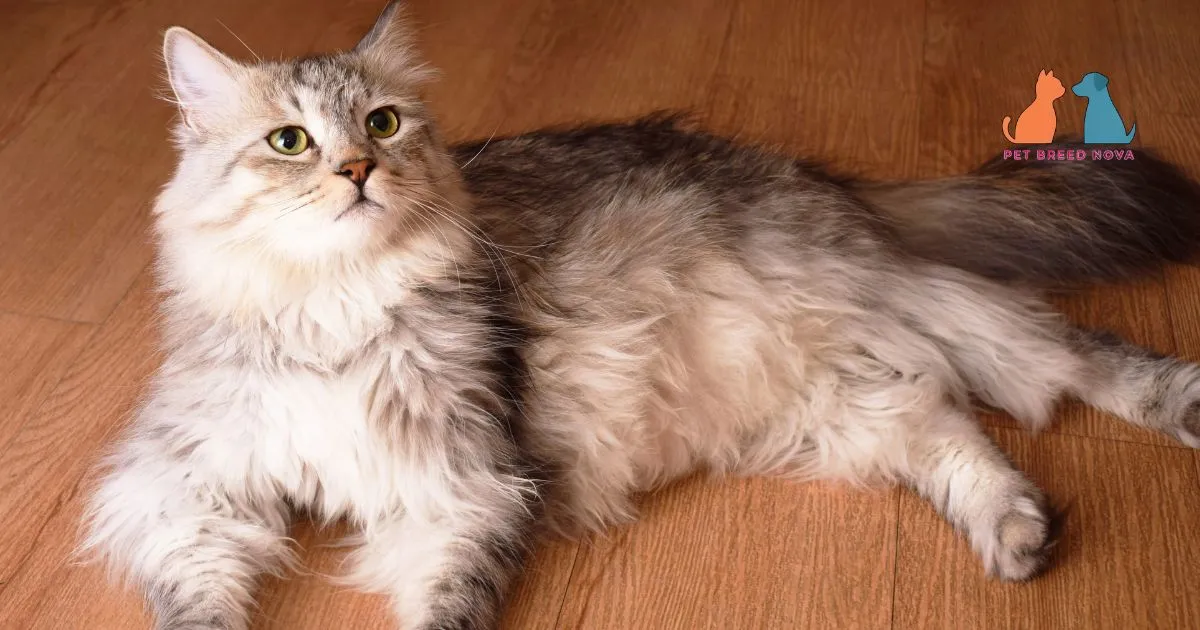
The Siberian Cat is a majestic companion admired for its beauty, intelligence, and gentle personality. As one of the oldest natural cat breeds, it developed naturally in Russia’s harsh climate, giving it a thick triple-layered coat, impressive strength, and remarkable resilience. This family-friendly cat forms deep bonds with people and usually gets along well with children and other pets.
Many owners also appreciate that the breed may produce lower levels of allergens than many other cats. Whether you are considering your first Siberian kitten or researching this breed, this guide explores its personality, care, health, grooming, and ownership to help you make a confident decision.
History and Origin of the Siberian Cat
Where Did this Cat Come From?
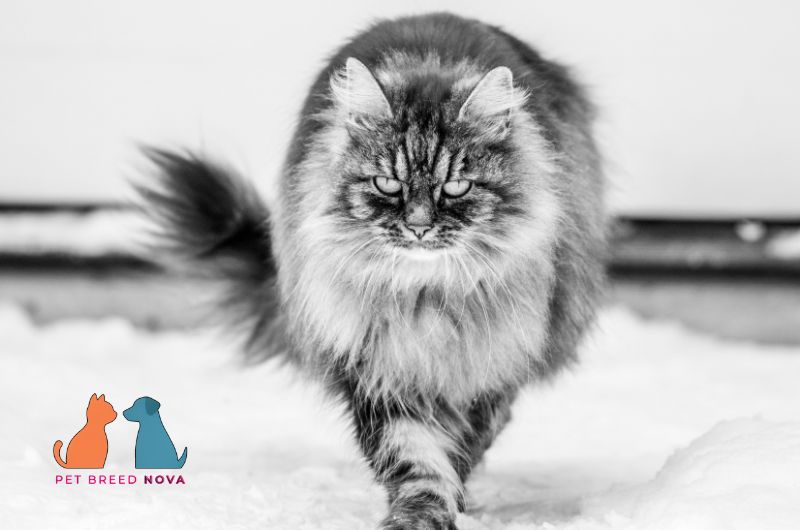
The Siberian Cat is one of the world’s oldest natural cat breeds. Historians believe these cats lived in Russia’s forests for more than 1,000 years. Their ancestors adapted naturally to freezing temperatures instead of relying on human breeding. Over time, this hardy large cat breed became known for protecting homes and farms from rodents. Today, the Siberian cat breed remains a living symbol of Russian heritage.
Russia’s harsh climate shaped every part of this remarkable breed. Its thick winter coat, muscular body, and strong climbing ability helped it survive difficult conditions. This water-loving cat often enjoys streams and rain, unlike many other breeds. These natural traits remain today, making the breed active, confident, and adaptable in different environments.
How the Siberian Cat Became a Recognized Breed
Although the breed existed for centuries, international recognition came much later. Russian breeders preserved it during the late twentieth century, and major cat associations soon recognized its unique qualities. Today, responsible breeders continue protecting this remarkable breed through careful Genetic testing and ethical breeding practices.
Modern breeding focuses on maintaining excellent cat health, balanced temperament, and strong physical features. Choosing an ethical breeder reduces inherited diseases and supports healthy bloodlines. Responsible breeders perform regular Veterinary checkups, provide complete health records, and raise well-socialized Purebred Siberian kittens.
Siberian Cat Appearance
Size, Weight and Physical Features
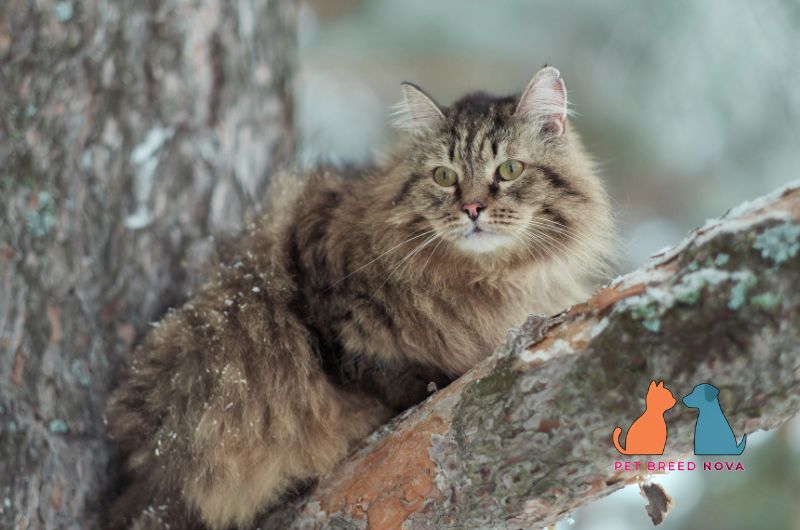
The Siberian Cat is a powerful large cat breed with a broad chest, muscular body, and strong legs. Adult males usually weigh 15 to 20 pounds, while females weigh 10 to 15 pounds. Healthy weight depends on genetics, nutrition, and activity. The cat size develops slowly, often taking up to five years to reach full maturity, creating a balanced and athletic appearance.
Triple Coat, Colors and Eye Variations
This beautiful breed has a luxurious Triple coat with a naturally Water-resistant coat that protects it during harsh weather. Regular grooming helps reduce Coat matting and manage Seasonal shedding. The breed comes in many beautiful colors, including tabby, silver, smoke, tortoiseshell, and color-point patterns. The eye color ranges from green and gold to copper and brilliant blue, giving every Long-haired cat a unique and striking appearance.
Siberian Cat Personality and Temperament
Typical Personality Traits
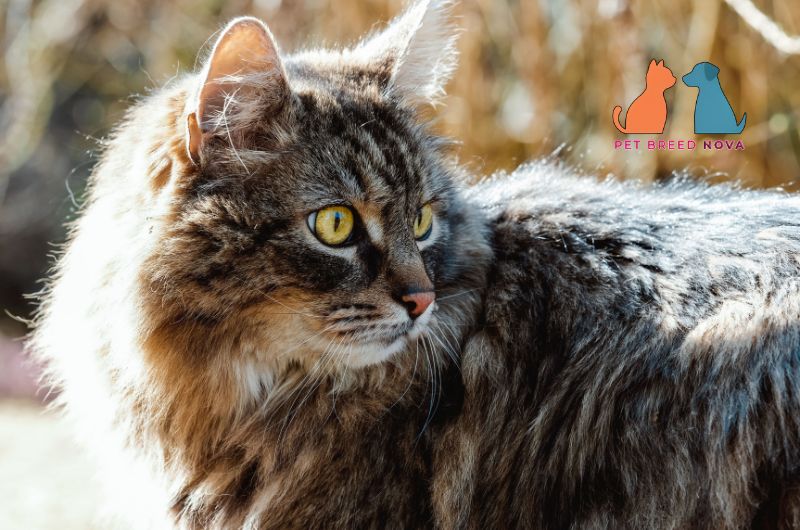
The Siberian Cat wins people over with its friendly nature and sharp mind. This intelligent cat breed enjoys solving problems, exploring new places, and spending time with its family. Its balanced personality combines confidence with gentleness, making it a wonderful affectionate cat for both experienced and first-time owners. Many people ask, “Are Siberian Cats good for first-time owners?” The answer is often yes because they learn routines quickly and adapt well to loving homes.
Unlike independent breeds that prefer solitude, this remarkable breed likes staying close to its family without becoming overly demanding. Its calm temperament allows it to adjust to busy households while still enjoying quiet moments. Daily interactive play, mental stimulation, and cat toys keep this active cat breed happy. Simple games, climbing activities, and puzzle feeders prevent boredom while strengthening your bond.
Compatibility With Children, Dogs and Other Pets
The breed is famous as a family-friendly cat because it usually forms strong relationships with children, adults, and visitors. It enjoys attention and often greets family members at the door after a long day. Thanks to early socialization, this loyal cat learns household routines quickly and becomes a dependable family companion that enjoys sharing everyday life with the people it trusts. It also tends to coexist peacefully with gentle breeds like the Ragdoll and friendly dogs such as the Bichon Frise when introductions are handled properly.
Many owners also wonder, “Are Siberian Cats friendly with dogs?” In most cases, the answer is yes when introductions happen gradually. This adaptable breed usually lives peacefully with dogs and other pets if each animal receives enough space and patience. Gentle positive reinforcement training helps create trust between pets, making it a confident companion in multi-pet homes.
Living With a Siberian Cat
Is a Siberian Cat Right for Your Lifestyle?
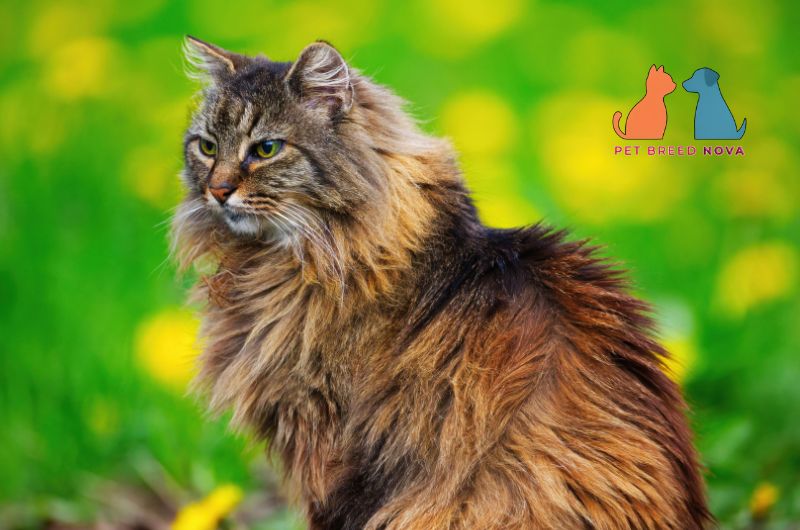
Living with this feline is both rewarding and engaging because this breed enjoys being involved in daily activities. It adapts well to apartment living when given enough climbing space and regular playtime. A sturdy cat tree, scratching surfaces, and interactive games satisfy its natural instincts while supporting a healthy indoor lifestyle. If you have a safe garden, supervised outdoor adventures can also provide valuable enrichment for this curious breed.
Although the Siberian Cat enjoys relaxing with its family, it also needs regular exercise needs to stay fit. Climbing, chasing toys, and exploring new environments help maintain a healthy weight while reducing unwanted behavior. Consistent routines keep this energetic cat mentally and physically satisfied, making daily life enjoyable for both you and your pet.
Indoor vs Outdoor Living
Most experts recommend keeping a Siberian Cat primarily as an indoor cat because indoor living protects it from traffic, disease, and wildlife. A secure home also prevents theft and accidental breeding while increasing the Siberian cat lifespan. However, this adventurous breed still benefits from fresh air through enclosed gardens, catios, or supervised walks using a harness.
If you choose to allow limited outdoor access, always provide a safe environment and clean fresh water during warm weather. Thick fur helps this cold climate cat handle cool temperatures, yet summer heat requires extra care. Good ventilation or air conditioning keeps your outdoor cat comfortable and reduces the risk of overheating, especially during the hottest months.
Grooming, Shedding and Hypoallergenic Qualities
Are Siberian Cats Truly Hypoallergenic?
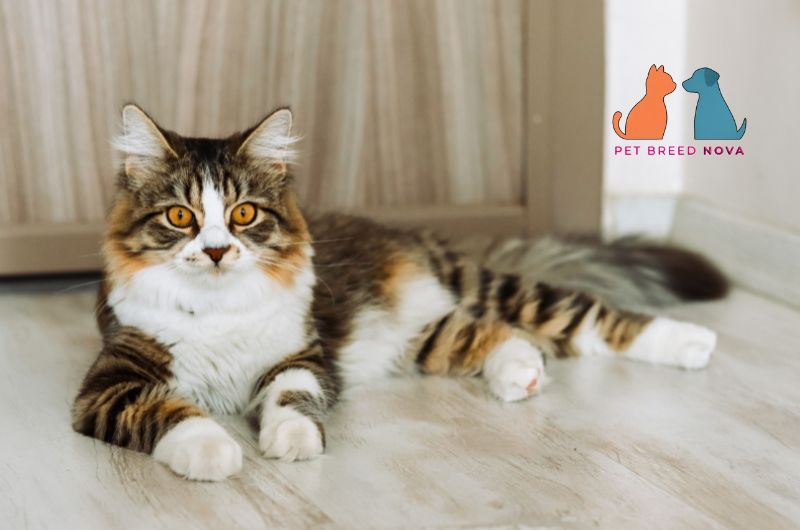
Many people choose a Siberian Cat because they hope it will reduce cat allergies. One of the most common questions is, “Are Siberian Cats hypoallergenic?” While no cat is completely allergy-free, this cat allergy-friendly breed often produces lower levels of Fel d 1 protein, one of the main cat saliva allergens. Because every person reacts differently, spending time with the cat before adoption is always the safest approach.
Even if allergy symptoms are mild, regular cleaning makes a noticeable difference. Vacuuming carpets, washing bedding, and brushing your cat help reduce loose fur and allergens around the home. These simple habits improve comfort for allergy sufferers while supporting better care. Choosing a healthy kitten from a responsible breeder also increases your chances of bringing home a well-socialized companion.
Grooming Routine, Shedding and Coat Care
The Siberian Cat has a beautiful triple-layered coat that needs regular attention to stay healthy. Proper Siberian cat grooming includes daily brushing during heavy seasonal shedding and weekly grooming throughout the rest of the year. This routine removes loose fur, reduces coat matting, and helps prevent hairballs. Many owners also ask, “Do Siberian Cats shed a lot?” They do shed seasonally, yet consistent grooming keeps the coat manageable.
Occasional cat bathing can remove loose hair after summer shedding, although frequent baths are unnecessary because the breed’s natural oils protect its water-resistant coat. Trimming nails, cleaning ears, and checking the skin during brushing also help detect problems early. These simple Siberian Cat grooming tips keep your cat comfortable while maintaining its thick, healthy coat throughout the year.
Diet, Nutrition and Exercise Needs
Best Diet and Feeding Schedule
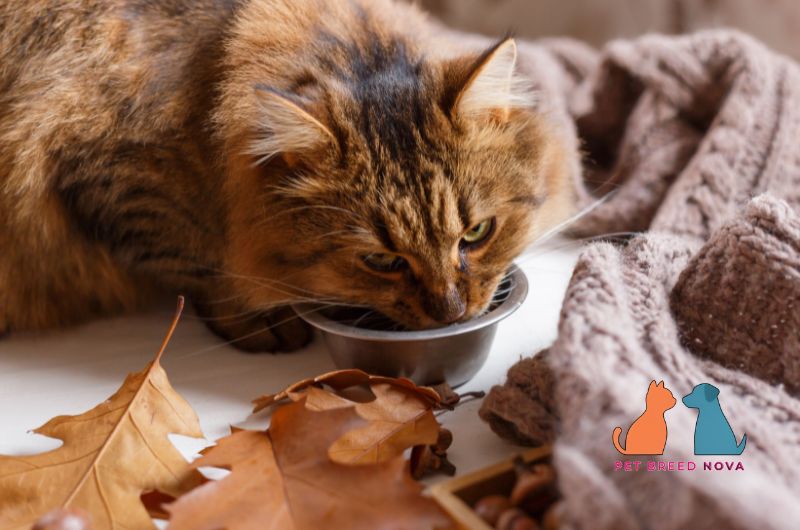
A balanced diet is the foundation of excellent Siberian cat health. Many owners ask, “What do Siberian Cats eat?” Most thrive on a high-protein diet that includes quality wet cat food or premium dry cat food made for their age and activity level. Fresh meat-based ingredients support strong muscles, healthy skin, and a shiny coat. Clean fresh water should always be available because proper hydration supports digestion and kidney health.
Young kittens usually need several small meals each day, while healthy adults often do well with two measured meals. Monitoring food portions helps maintain a healthy weight and supports obesity prevention, especially for indoor cats with lower activity levels. Your veterinarian can recommend the best food for Siberian Cats based on age, health, and lifestyle.
Exercise, Weight Management and Hydration
The Siberian Cat is an energetic breed that enjoys climbing, running, and exploring. Regular exercise needs keep muscles strong while preventing boredom and weight gain. Interactive games, climbing towers, and a sturdy scratching post encourage natural behaviors. These activities also provide valuable cat enrichment, helping your cat stay mentally and physically active every day.
Exercise becomes even more important for cats living indoors. A combination of climbing shelves, puzzle feeders, and daily play sessions helps burn energy while strengthening your relationship. When paired with balanced cat nutrition, regular activity supports long-term health and reduces the risk of lifestyle-related illnesses. An active Siberian Cat remains happier, healthier, and more confident throughout every stage of life.
Common Health Problems and Lifespan
Common Health Issues and Preventive Care
The Siberian Cat is known as a healthy cat breed, but like all pets, it can develop certain medical conditions. Some owners ask about Common Siberian Cat health problems, which may include heart disease, dental issues, obesity, or urinary disorders. The most serious inherited condition is Hypertrophic Cardiomyopathy (HCM), a disease that affects the heart muscle. Regular veterinary checkups, vaccinations, dental care, and early genetic testing help detect health concerns before they become severe.
Preventive care plays a major role in keeping your Siberian Cat healthy for many years. A balanced diet, regular exercise, and maintaining a clean living environment strengthen the immune system and reduce illness. Scheduling an annual health exam allows your veterinarian to monitor weight, heart function, and overall wellness. Buying a kitten from a responsible breeder also lowers the risk of inherited diseases because reputable breeders screen their breeding cats before producing litters.
Siberian Cat Lifespan and Healthy Aging Tips
Many owners ask, “How long do Siberian Cats live?” A well-cared-for Siberian Cat typically enjoys a lifespan of 12 to 18 years, although some healthy cats live even longer. Good Siberian cat health depends on proper nutrition, exercise, routine medical care, and a safe home environment. Cats that receive consistent attention throughout life often remain playful and active well into their senior years.
Healthy aging starts with daily habits rather than expensive treatments. Feeding quality food, encouraging regular activity, and reducing stress all support a longer Siberian cat lifespan. As your cat grows older, routine blood tests and more frequent veterinary visits help identify age-related problems early. With proper care, many senior Siberian Cats continue climbing, playing, and enjoying family life for many years.
Siberian Cat Price and Ownership Costs
Siberian Cat Price in Europe and the USA
Before bringing home a Siberian Cat, it is important to understand the financial commitment. Many people ask, “How much does a Siberian Cat cost?” The average Siberian cat price from an experienced ethical breeder usually ranges from $1,200 to $3,000 in the USA and many European countries. The final Siberian cat cost depends on pedigree, breeder reputation, location, coat color, and breeding quality. Choosing a healthy kitten from a trusted breeder is often a better long-term investment than buying a cheaper kitten with unknown health history.
| Expense | Average Cost (USD) |
| Siberian Kitten | $1,200–$3,000 |
| Initial Supplies | $300–$700 |
| First Veterinary Visit | $100–$300 |
| Vaccinations & Microchip | $100–$250 |
Initial and Monthly Ownership Costs
The purchase price is only the beginning of owning a Siberian Cat. Monthly expenses include quality food, litter, grooming supplies, and routine medical care. Most owners also invest in a cat tree, cat toys, scratching equipment, and comfortable bedding to support a happy indoor lifestyle. These ongoing costs help your cat remain healthy, active, and mentally stimulated throughout its life.
Planning your budget before bringing home a kitten prevents unexpected financial stress later. Regular spending on premium nutrition, preventive healthcare, and enrichment is far less expensive than treating avoidable illnesses. By investing in proper Siberian cat care from the start, you provide your companion with a safer, healthier, and more comfortable life while enjoying many rewarding years together.
How to Choose and Bring Home a Siberian Cat
Finding a Reputable Breeder or Adoption Center
Choosing the right Siberian Cat starts with finding a trustworthy source. Whether you prefer Siberian kitten adoption or purchasing from an ethical breeder, always research carefully before making a decision. A reputable breeder performs genetic testing, provides complete health records, and raises kittens in a clean, caring environment. Ask about the kitten’s parents, vaccination history, and early socialization to ensure you bring home a healthy, confident companion.
If you decide on adoption, choose a rescue organization that understands the breed’s needs and temperament. Spend time with the kitten before making your final choice, especially if someone in your family has cat allergies. Observing the kitten’s behavior also gives you valuable insight into its future Siberian Cat personality and temperament. A careful decision today often leads to many happy years together.
Preparing Your Home for a Siberian Cat
Before your Siberian Cat arrives, create a safe and welcoming environment. Prepare a quiet room with food, litter, fresh bedding, scratching areas, and climbing spaces. A sturdy scratching post, comfortable bed, and interactive cat toys help your kitten settle in quickly while encouraging healthy behavior. During the first few days, allow your cat to explore at its own pace instead of forcing interaction.
Building trust takes patience, consistency, and kindness. Keep feeding times regular, offer gentle play sessions, and reward good behavior with praise or treats. This approach strengthens your relationship while helping your kitten adjust confidently to its new home. With proper preparation, your Siberian Cat will soon become a loving member of the family and adapt comfortably to everyday life.
Frequently Asked Questions About the Siberian Cat
| Question | Short Answer |
| Are Siberian Cats good family pets? | Yes. Their gentle nature makes them excellent family companions. |
| Do Siberian Cats shed a lot? | They experience heavy seasonal shedding but regular grooming controls loose fur. |
| Are Siberian Cats hypoallergenic? | No breed is completely hypoallergenic, although many people with mild allergies tolerate them better. |
| How much does a Siberian Cat cost? | Most kittens cost between $1,200 and $3,000, depending on pedigree and breeder reputation. |
| How long do Siberian Cats live? | Most live between 12 and 18 years with excellent care. |
| Are Siberian Cats friendly with dogs? | Yes. They usually live peacefully with well-socialized dogs. |
| Are Siberian Cats easy to groom? | Yes. Regular brushing keeps their thick coat healthy and reduces tangles. |
| Do Siberian Cats like water? | Many enjoy playing with water more than most cat breeds. |
| What do Siberian Cats eat? | They thrive on high-quality, protein-rich cat food with constant access to fresh water. |
| How big do Siberian Cats get? | Adult males usually weigh 15–20 pounds, while females weigh 10–15 pounds. |
Expert Tips for New Siberian Cat Owners
Owning a Siberian Cat is a rewarding experience when you understand the breed’s unique needs. Regular grooming, balanced nutrition, routine veterinary care, and daily play create the foundation for a healthy and happy life. Although this breed enjoys activity, it also values quiet time with its family, making it an excellent companion for many households across Europe and the USA.
The Siberian Cat stands out for its intelligence, beauty, and affectionate personality. Its luxurious coat, strong body, and adaptable nature reflect centuries of natural development. Whether you choose a kitten from a reputable breeder or through adoption, providing love, patience, and responsible care allows this remarkable breed to thrive. In return, you gain a loyal companion that brings warmth, entertainment, and lasting friendship for many years.
Meta Description
Discover the Siberian Cat‘s personality, care, price, health, and grooming in this complete guide for every future cat owner.

Asher Nova is a passionate pet enthusiast and feline behavior researcher with over a decade of experience exploring unique cat breeds. Through Pet Breed Nova, he shares factual insights to help pet parents give their companions the best care possible.