Introduction to the Bengal Cat
The Bengal cat is a remarkable breed that brings the breathtaking beauty of the wild into a loving home. Famous for its shimmering coat and bold marbled coat markings, this athletic cat thrives on adventure, daily curiosity, and human interaction.
Unlike many other domestic felines, Bengals genuinely enjoy climbing, puzzle games, and learning new tricks, making this interactive pet an exciting feline companion. Whether you are a first-time owner or an experienced cat lover, understanding this extraordinary exotic cat breed will help you provide the happy, active life it truly deserves.
What Makes the Bengal Cat Unique?
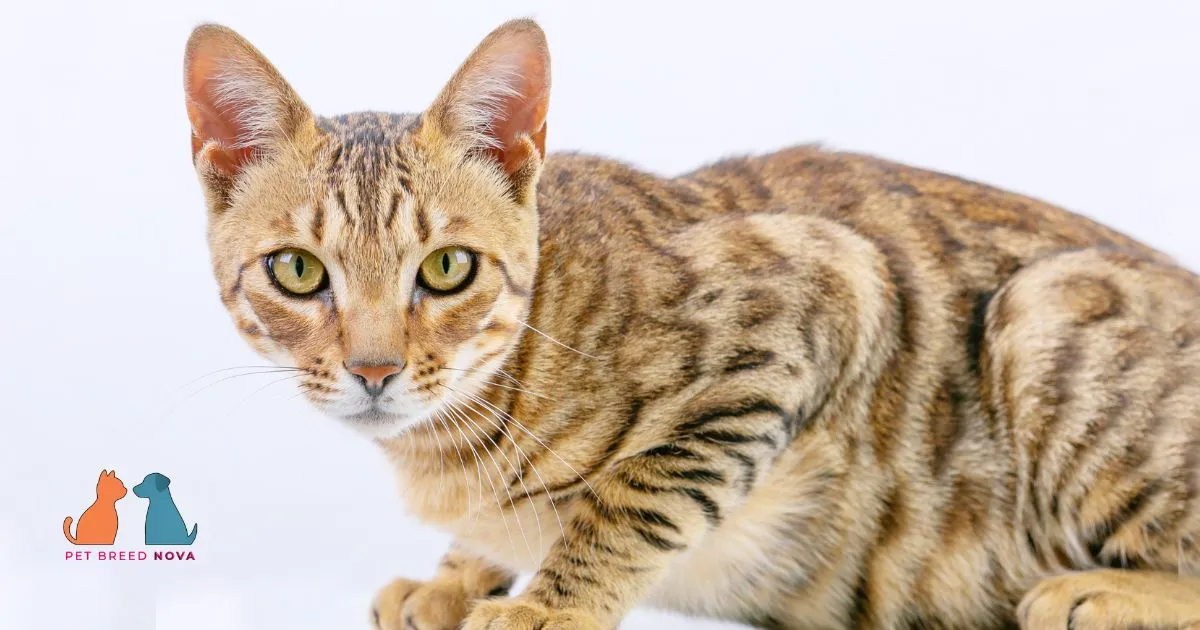
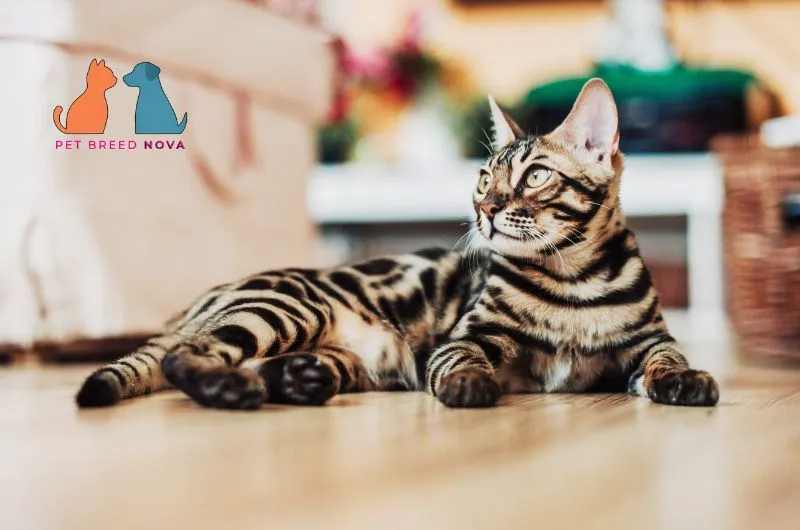
The Bengal stands apart because of its remarkable coat and energetic personality. Its Bengal Cat Appearance features dramatic spots, swirls, and rosettes that create a genuine jungle-cat look. This famous Leopard-Like Cat appearance comes from careful breeding that preserved wild beauty while developing a gentle temperament. The coat also displays a distinctive golden sheen that makes the breed even more eye-catching.
The breed is equally admired for its exceptional Bengal Cat Intelligence. Many Bengals learn to open doors, retrieve toys, and respond to simple commands. Their naturally high Bengal Cat Activity Level means they need daily play, exercise, and mental challenges to remain healthy and content.
Quick Bengal Cat Breed Overview
| Feature | Details |
| Origin | United States |
| Size | Medium to large |
| Weight | Bengal Cat Weight: 4–9 kg |
| Coat | Short and glossy |
| Lifespan | 12–16 years |
| Energy Level | Very high |
| Shedding | Moderate |
| Best For | Active households |
This summary provides useful Bengal Cat Breed Information for future owners. The breed combines beauty, intelligence, and companionship in one impressive package.
Who Should Own a Bengal Cat?
A Bengal suits people who enjoy spending time with their pets. It needs daily attention, exercise, and interaction. An Indoor Bengal Cat can live happily in an apartment if it receives enough playtime and enrichment. People who travel often or prefer a quiet, independent cat may find this breed demanding.
The Bengal also makes an excellent Bengal Cat for Families when children understand gentle handling. Many owners report positive experiences with a Bengal Cat with Dogs after careful introductions. Its intelligence and social personality help it become a true family companion.
Bengal Cat History and Origin
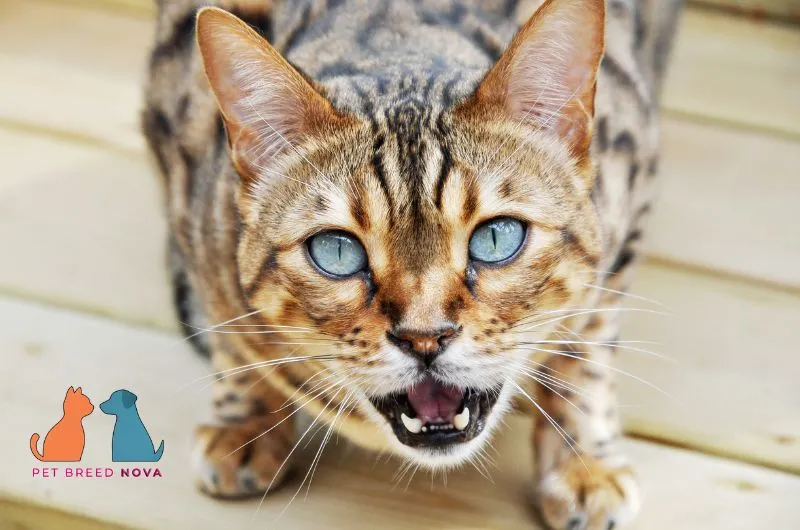
The story of the Bengal Cat began during the 1960s when breeder Jean Mill crossed a Domestic Cat with the Asian Leopard Cat to create a loving companion with a wild appearance. Through careful selective breeding, she developed a stable Hybrid Cat Breed that combined beauty with a friendly temperament.
During the 1980s, the breed gained international recognition. TICA awarded championship status in 1991, while FIFe later accepted the Bengal under official Cat Breed Standards. Organizations such as Felis Polonia (FPL) also promoted responsible breeding, helping the Bengal become one of Europe’s and America’s most admired pedigree cats.
The Asian Leopard Cat Connection
The Asian Leopard Cat gave the Bengal its striking appearance. Although modern Bengals are fully domesticated, they still display the impressive look of their wild ancestor. Their Muscular Body, Broad Chest, and Athletic Build create the appearance of a miniature jungle predator while maintaining a gentle personality.
Recognition in Europe and the USA
Official recognition strengthened the breed’s reputation and encouraged responsible breeding. Strict Cat Breed Standards now protect the Bengal’s health, temperament, and appearance. Today, finding a reputable Bengal Cat Breeder is much easier across Europe and the USA than it was just a few decades ago.
Why the Bengal Became So Popular
The Bengal’s growing popularity comes from its unique combination of beauty and intelligence. Its exotic appearance attracts attention immediately, while its playful personality creates lasting bonds with owners. Social media also introduced millions of people to Bengals through videos showing them playing fetch, climbing, and splashing in water.
These qualities transformed the Bengal from a rare breed into one of the world’s most admired companion cats, making it a favorite choice for families and active pet lovers.
Bengal Cat Appearance and Physical Characteristics
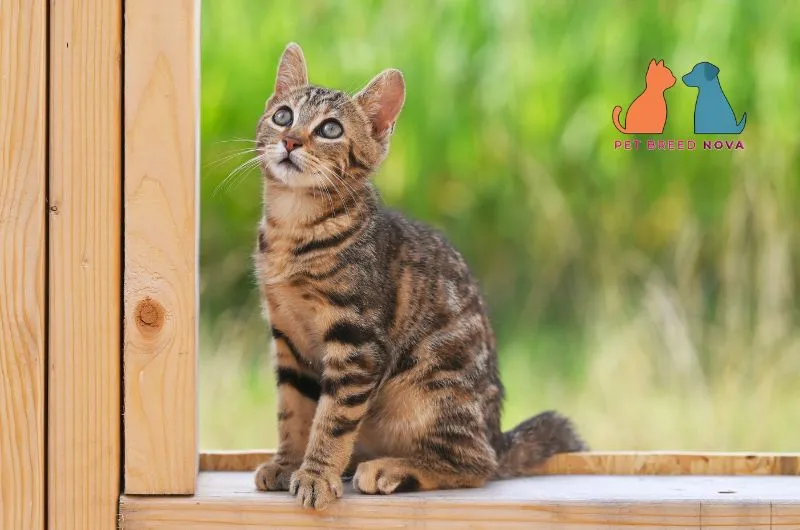
The Bengal Cat looks unlike almost any other house cat. Its wild appearance comes from careful breeding rather than chance. This impressive Athletic Cat Breed combines a strong frame, graceful movement, and remarkable confidence. Many people first notice the striking Bengal Cat Coat, yet the breed offers much more than beauty. A healthy Bengal blends elegance with strength, making it one of the most admired cats in Europe and the USA.
The Bengal Cat Characteristics include a lean body, alert face, and expressive eyes. Every feature supports natural climbing, jumping, and exploration. Whether you choose a family pet or a show-quality cat, understanding these traits helps you recognize a well-bred Bengal.
Bengal Cat Size, Weight, and Build
The Bengal is a medium-to-large breed with a naturally athletic frame. Bengal Cat Size differs slightly between males and females, although both remain agile and muscular. Most females weigh between 4 and 6 kilograms, while males usually reach 6 to 9 kilograms. Healthy Bengal Cat Weight depends on genetics, diet, and daily activity rather than body fat.
Its Muscular Body, Broad Chest, and balanced proportions allow effortless jumping and climbing. Even at full size, the Bengal remains elegant instead of bulky, creating the appearance of a miniature wild predator.
Bengal Cat Colors, Patterns, and the Famous Glitter Effect
The Bengal Cat is admired for its spectacular variety of colors and patterns. Bengal Cat Colors include Brown Bengal, Snow Bengal, Silver Bengal, and the rare Black Bengal, each offering a unique yet unmistakable appearance.
Many Bengals display the famous Rosette Pattern, while others feature the flowing Marble Pattern. A richly defined Spotted Coat resembles a leopard’s markings, and the sparkling Glitter Coat reflects light with a soft golden shimmer. These remarkable features make the Bengal one of the world’s most distinctive cat breeds.
Head, Eyes, Ears, and Tail Features
The Bengal’s face reflects intelligence and curiosity. A broad head, strong cheekbones, and medium-sized ears create an alert expression. Large Green Eyes, Gold Eyes, or Blue Eyes add even more beauty, particularly in the snow variety.
Its thick tail ends with rounded black markings that complete the elegant Bengal Cat Appearance. Every physical feature reflects careful breeding focused on health, movement, and beauty.
How to Identify a Purebred Bengal Cat
A genuine Bengal displays a soft Silky Coat, firm muscle tone, and confident movement. It should appear alert and friendly without signs of nervousness or aggression. Reliable breeders also provide complete pedigree records and health certificates.
Choosing a Registered Breeder affiliated with organizations such as TICA or FIFe helps ensure your kitten meets recognized breed standards while reducing the risk of inherited health problems.
Bengal Cat Personality and Temperament
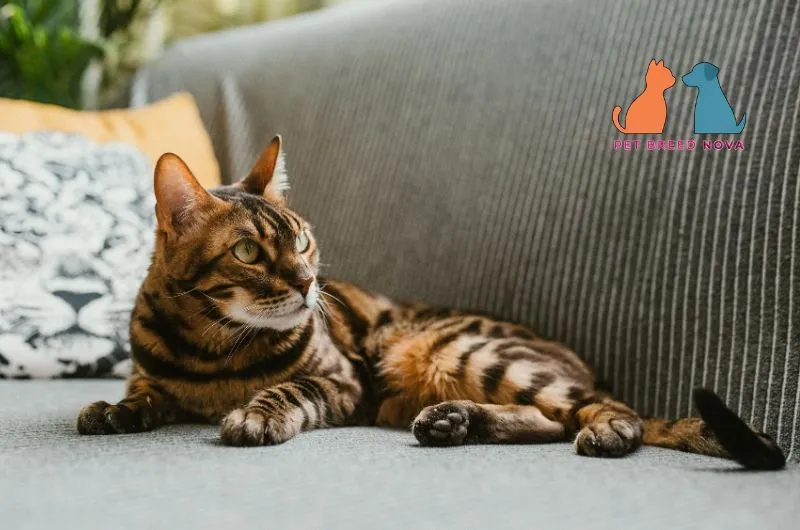
The Bengal Cat has a personality as remarkable as its appearance. It combines intelligence, curiosity, confidence, and endless enthusiasm for life. Unlike breeds that spend most of the day sleeping, Bengals actively seek adventure. They explore every room, investigate new objects, and often greet visitors first. Their lively nature keeps owners entertained while creating strong emotional bonds. Although they look wild, a well-socialized Bengal is deeply attached to its family and enjoys taking part in daily routines.
Intelligence and Playful Nature
One of the Bengal’s greatest strengths is its outstanding Bengal Cat Intelligence. These cats solve simple problems, remember routines, and learn quickly through positive experiences. They are naturally Intelligent, Curious, and Trainable, making them excellent companions for owners who enjoy interactive pets.
Daily Interactive Play keeps their minds active. Many Bengals enjoy Fetch, puzzle games, and learning new tricks instead of watching life from a distance. Their playful attitude continues well into adulthood, making them lifelong entertainers.
Energy Levels and Daily Activity
The Bengal thrives on movement. Its naturally Energetic personality requires regular Bengal Cat Exercise to stay healthy and happy. Long periods without activity often lead to boredom, excessive vocalization, or unwanted behavior.
Providing a sturdy Cat Tree, durable Cat Toys, and a quality Scratching Post encourages healthy activity. Daily Climbing strengthens muscles and satisfies the breed’s naturally High Energy lifestyle, making exercise an essential part of responsible ownership.
Are Bengal Cats Affectionate?
Although Bengals appear independent, they develop strong emotional bonds with their families. Most become Loyal, Affectionate, and highly Social companions. Rather than spending hours on your lap, they usually prefer following you from room to room and taking part in everyday activities.
Many owners compare the Bengal to a dog because of its friendly personality. It enjoys greeting family members and communicating through soft sounds. Some individuals are surprisingly Vocal, especially when asking for food or inviting you to play.
Behavior Around Children, Dogs, and Other Pets
A properly socialized Bengal adapts well to family life. A Bengal Cat with Children often thrives because the breed enjoys active games and constant interaction. Children should still learn to handle pets gently so trust can grow naturally.
Many owners also report excellent experiences with a Bengal Cat with Dogs, including active breeds like the Jack Russell Terrier and Shih Tzu, when introductions happen slowly. Early socialization helps prevent territorial behavior, allowing Bengals to live peacefully with other pets.
Common Behavioral Challenges
Every intelligent animal needs regular Mental Stimulation. Without enough activity, the Bengal may open cupboards, climb curtains, or explore high shelves. These actions usually reflect curiosity rather than bad behavior.
Fortunately, most issues disappear with consistent routines. Regular play, puzzle feeders, and Leash Training provide healthy outlets for curiosity. Owners who understand Bengal Cat Behavior often discover that this lively breed becomes one of the most engaging and rewarding companions they have ever owned.
Bengal Cat Living Needs, Exercise, and Training
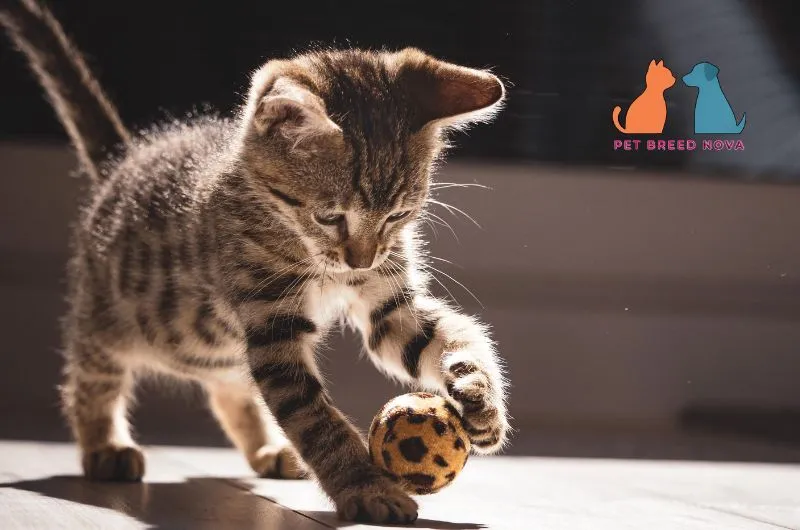
A Bengal Cat thrives in a home that encourages movement, exploration, and learning. A quiet room with only food and a bed will not satisfy this active breed. Bengals enjoy climbing shelves, chasing toys, solving puzzles, and exploring safe spaces. Meeting these needs prevents stress while strengthening the bond between you and your cat.
Creating the right environment does not require a large home. An Indoor Bengal Cat can live happily in an apartment when provided with enough enrichment. Daily activity keeps both the body and mind healthy, making life with a Bengal enjoyable and rewarding.
Creating the Perfect Indoor Environment
Your home should provide many opportunities for exploration. Bengals love high places because climbing allows them to observe everything around them. Wall shelves, window perches, and a sturdy Cat Tree create safe places to jump and rest, while a durable Scratching Post protects furniture and supports healthy claws.
Changing the environment occasionally keeps the cat interested. Rotating Cat Toys, adding cardboard tunnels, puzzle feeders, or climbing towers encourages natural hunting behavior. These simple improvements offer practical Bengal Cat Care Tips while reducing boredom.
Daily Exercise and Mental Stimulation
The Bengal Cat Activity Level remains high throughout life. Daily Bengal Cat Exercise is essential because this breed burns energy quickly. Interactive games strengthen muscles, satisfy hunting instincts, and improve overall behavior.
Exercise alone is not enough. Bengals also require regular Mental Stimulation through food puzzles, hidden treats, and problem-solving games. Owners who combine physical activity with learning exercises usually enjoy calmer, happier cats that stay actively engaged with family life.
Training a Bengal Cat with Positive Reinforcement
Training a Bengal often surprises first-time owners because these cats learn much faster than expected. Their Trainable personality allows them to understand routines, simple commands, and household rules. Instead of punishment, reward good behavior with praise or healthy Cat Treats. Positive reinforcement builds trust while encouraging your cat to repeat good habits.
Many Bengals quickly learn commands such as “come,” “sit,” and “stay.” They also enjoy learning tricks that challenge their minds. Short training sessions produce better results than long lessons because the cat remains interested and motivated.
Can Bengal Cats Walk on a Leash?
Many owners successfully introduce Leash Training to their Bengal. Unlike most cats, this breed often enjoys safe outdoor adventures. Begin indoors with a lightweight harness before moving to quiet outdoor areas. Patience helps your cat gain confidence at its own pace.
Leash walks provide valuable exercise while introducing new sights, sounds, and scents. They also strengthen the bond between owner and pet. Always supervise your cat because unexpected situations can quickly frighten even the most confident animal.
Preventing Boredom and Destructive Behavior
Boredom often causes unwanted habits in highly active breeds. Scratching furniture, opening cupboards, or knocking objects from shelves usually reflects curiosity rather than disobedience. Understanding Bengal Cat Behavior helps you solve problems before they become serious.
A predictable routine works wonders. Regular play, climbing opportunities, training games, and family interaction keep your Bengal happy. When both physical and mental needs are met, this Active Cat Breed becomes an affectionate companion instead of a restless troublemaker.
Bengal Cat Diet and Nutrition
Good nutrition forms the foundation of a healthy Bengal Cat. This energetic breed requires food that supports muscle development, healthy skin, and daily activity. A thoughtful diet helps your cat maintain its athletic shape while supporting a long, active life.
Choosing the right Bengal Cat Food involves more than reading labels. Age, weight, activity level, and overall health all influence nutritional needs. Feeding the correct diet at every life stage helps prevent many common health problems.
Nutritional Requirements for Every Life Stage
A growing Bengal Kitten needs extra calories and protein to support healthy bones and muscles. Adult cats require nutrition that maintains energy without causing weight gain, while senior Bengals benefit from diets that support joints, digestion, and overall wellness.
A proper Balanced Diet rich in animal protein supports strong muscles and healthy organs. Fresh, high-quality ingredients also improve coat condition and help maintain steady energy throughout the day.
Best Food for Bengal Cats
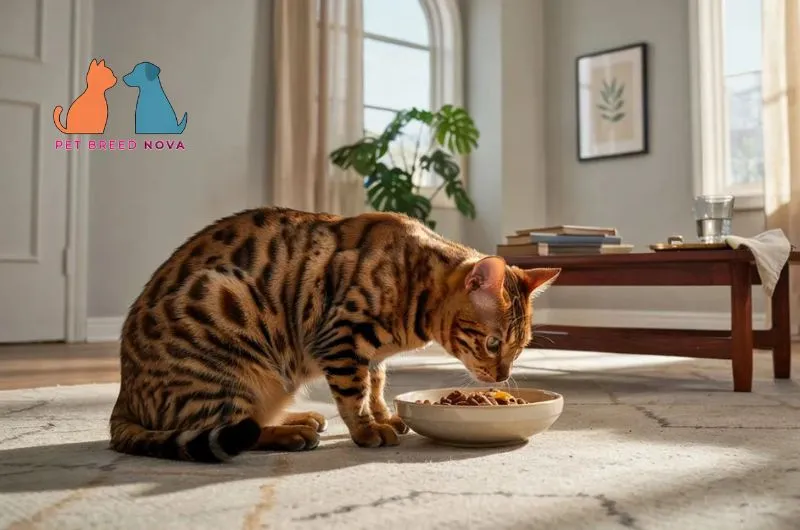
The Best food for Bengal cats contains real meat as the main ingredient. Because Bengals remain naturally active, they thrive on a High-Protein Diet that matches their biological needs. Chicken, turkey, salmon, and lamb provide excellent nutrition while supporting lean muscle growth.
Many owners choose premium recipes with fewer fillers and artificial additives. Some Bengals also benefit from Grain-Free Cat Food, although the best choice depends on each cat’s individual health. Your veterinarian can recommend the most suitable diet.
Wet Food vs. Dry Food
Both Wet Food and Dry Food offer valuable benefits. Wet food provides extra moisture that supports kidney and urinary health, while dry food offers convenient feeding and may help maintain dental hygiene. Many owners combine both options for balanced nutrition.
Always provide unlimited access to Fresh Water because active Bengals need proper hydration every day.
| Food Type | Main Benefit | Best For |
| Wet Food | High moisture content | Hydration and urinary health |
| Dry Food | Convenient and nutrient-dense | Daily feeding and portion control |
| Mixed Feeding | Balanced nutrition | Most healthy adult Bengals |
Safe Treats and Foods to Avoid
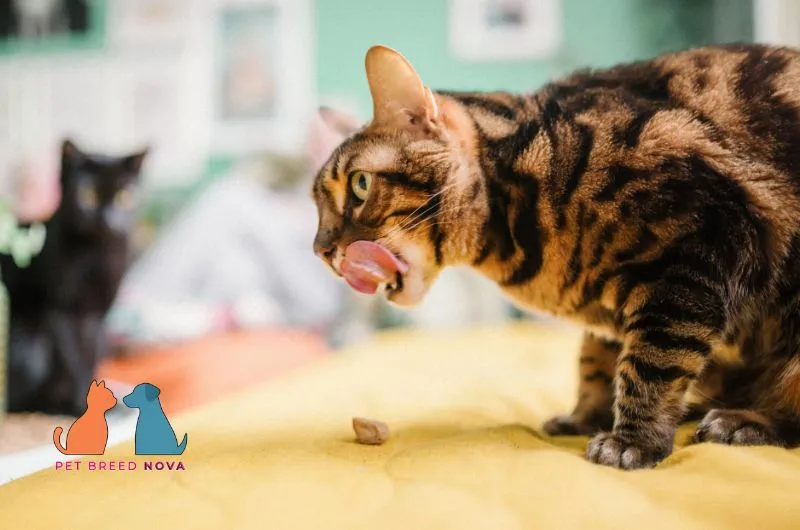
Healthy Cat Treats make excellent training rewards when offered in moderation. Small portions work better than frequent large snacks, especially for indoor cats with lower activity levels.
Avoid chocolate, onions, garlic, grapes, raisins, cooked bones, alcohol, caffeine, and foods containing artificial sweeteners. Safe feeding habits remain one of the simplest ways to protect your Bengal’s long-term health.
Feeding Schedule and Portion Control
Most adult Bengals thrive on two measured meals each day, while kittens usually need three or four smaller meals to support rapid growth. Portion sizes should match your cat’s Bengal Cat Weight, age, and daily activity rather than general feeding recommendations.
Checking body condition every month helps detect weight changes before obesity develops. Maintaining a healthy weight supports joint health, heart function, and lifelong activity.
Hydration Tips for Active Bengal Cats
Hydration is just as important as food quality. Many Bengals enjoy moving water, making cat fountains an excellent choice. Their curiosity often encourages them to drink more from flowing water than from still bowls.
Place clean bowls of Fresh Water around your home and refill them daily. Proper hydration supports digestion, kidney function, and overall health while helping your Bengal stay active and energetic.
Grooming and General Care
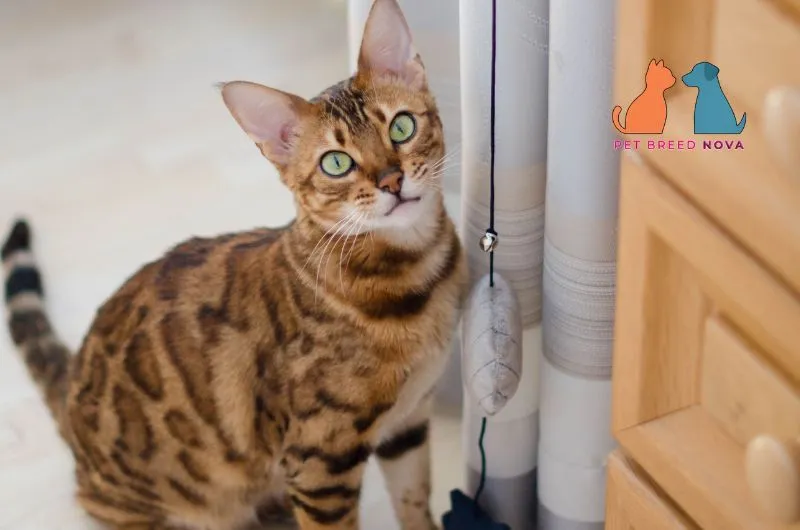
A Bengal Cat is easier to groom than many long-haired breeds, yet regular care remains essential. Its short, smooth coat rarely tangles, but routine grooming removes loose hair, spreads natural oils, and keeps the coat glossy. It also helps you spot small injuries, parasites, or early health problems before they become serious.
Regular grooming strengthens trust between you and your pet. Brushing, ear cleaning, nail trimming, and dental care create a healthy routine that improves comfort and may reduce future veterinary costs.
Coat Care and Shedding Management
The beautiful Bengal Cat Coat is one of the breed’s most admired features. Its short fur often displays a sparkling Glitter Coat that shines in natural light. Weekly Cat Grooming with a soft brush or grooming glove removes loose hair and keeps the coat healthy.
Many owners ask, Do Bengal cats shed a lot? Shedding is moderate and usually increases slightly during seasonal changes. Regular brushing keeps Bengal Cat Shedding under control and helps maintain a cleaner home.
Bathing, Nail Trimming, and Ear Cleaning
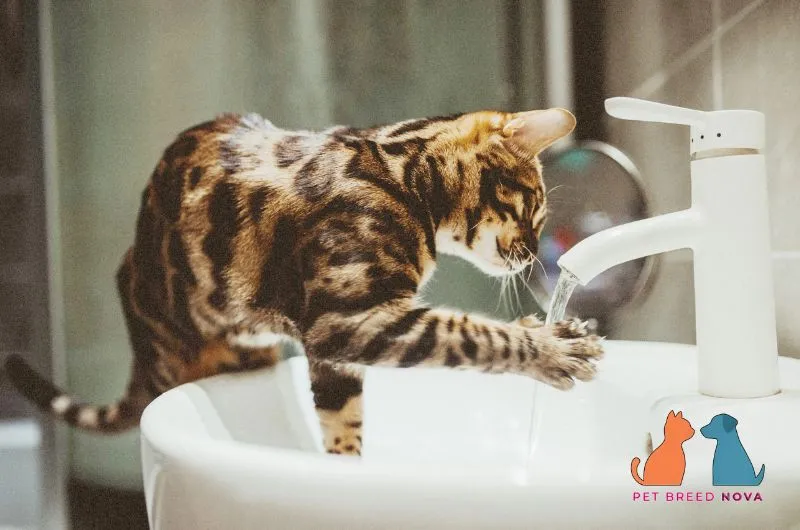
Unlike most cats, many Bengals enjoy water. Owners often ask, Do Bengal cats like water? Many happily play in sinks or investigate running taps, although frequent bathing is unnecessary. A bath every few months or after outdoor adventures is usually enough.
Regular Nail Trimming prevents overgrown claws, while monthly Ear Cleaning helps keep ears healthy. If you notice redness, swelling, or unusual discharge, arrange a veterinary visit.
Dental Care and Oral Hygiene
Routine Dental Care reduces plaque, freshens breath, and lowers the risk of gum disease. Dental treats may help, but they should never replace brushing.
Ignoring oral health can contribute to Feline Odontoclastic Resorptive Lesions (FORL), a painful condition affecting the teeth. Regular home checks and professional cleanings support lifelong comfort.
Litter Box Maintenance
Clean litter boxes are essential because Bengals naturally prefer tidy surroundings. Scoop waste daily and replace litter regularly. Washing the tray with mild soap and warm water removes odors without harsh chemicals.
Place litter boxes in quiet areas where your Bengal feels secure. Homes with multiple cats should provide more than one litter tray to reduce stress and encourage healthy litter habits.
Seasonal Care Tips
Bengals adapt well to different climates, but seasonal changes require small adjustments. During summer, provide cool resting areas and unlimited Fresh Water. In winter, warm sleeping spaces and comfortable indoor temperatures help maintain healthy skin and coat condition.
Regular grooming, proper nutrition, and a comfortable environment work together to keep your Bengal healthy throughout the year. These simple routines become valuable Bengal Cat Care Tips that support long-term wellness.
Common Health Problems and Lifespan
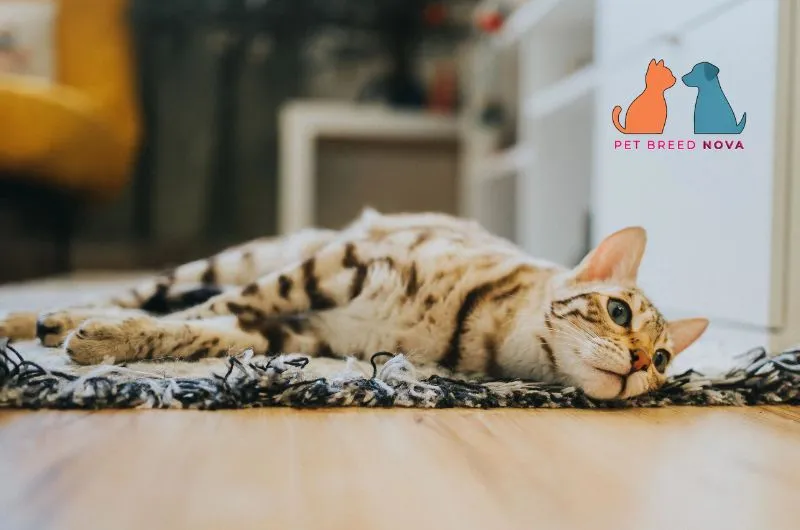
The Bengal Cat is generally a healthy breed, but responsible owners should understand its potential health risks. Most Bengals enjoy long, active lives with proper nutrition, regular exercise, and preventive veterinary care. Choosing a healthy kitten from a trusted breeder greatly reduces the risk of inherited disorders while giving your pet the best possible start. Routine health checks, combined with good nutrition and daily observation, help detect problems before symptoms appear.
Average Bengal Cat Lifespan
Many owners ask, How long do Bengal cats live? Most healthy Bengals live between 12 and 16 years, while some reach 18 years or more with excellent care. Genetics, lifestyle, quality nutrition, regular exercise, and preventive healthcare all contribute to a longer, healthier life.
Hereditary Health Conditions
Although generally healthy, owners should understand the most important Common Bengal cat health problems. These include Hypertrophic Cardiomyopathy (HCM), Progressive Retinal Atrophy (PRA-b), and Pyruvate Kinase Deficiency (PK-def). Responsible breeders reduce these risks through Genetic Testing, helping prevent many Hereditary Diseases from being passed to future generations.
Preventive Veterinary Care
Regular Veterinary Checkup visits remain one of the best investments for your Bengal’s health. Your veterinarian monitors weight, teeth, heart, joints, skin, and overall condition. Early Echocardiogram screening may detect Hypertrophic Cardiomyopathy (HCM) before symptoms develop, allowing better long-term care.
Vaccinations, Parasite Prevention, and Microchipping
Routine Vaccination protects against common infectious diseases, while parasite prevention reduces the risk of fleas, ticks, and intestinal worms. Microchipping provides permanent identification and greatly improves the chance of recovering a lost cat.
Warning Signs Every Owner Should Know
Cats naturally hide illness, so sudden weight loss, breathing problems, repeated vomiting, diarrhea, loss of appetite, unusual tiredness, excessive thirst, limping, or major behavior changes should never be ignored. Responsible Cat Ownership, combined with proper grooming, nutrition, and preventive healthcare, gives your Bengal the best chance of enjoying a long and healthy life.
Is the Bengal Cat Right for You?
Choosing a Bengal Cat involves more than admiring its beautiful appearance. This intelligent, loyal, and energetic breed needs daily attention, exercise, quality food, and regular healthcare. If you enjoy spending time with your pet and providing mental and physical stimulation, the Bengal becomes an affectionate and rewarding companion. However, people seeking a quiet, independent cat may find this active breed less suitable.
Before bringing one home, consider your schedule, living space, and budget. Understanding these responsibilities before adoption helps ensure a happy life for both you and your Bengal.
Pros and Cons of Owning a Bengal Cat
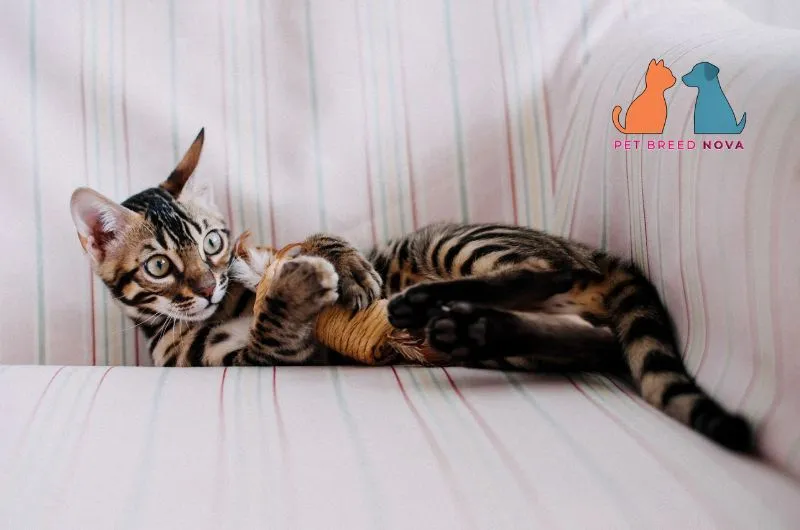
Owning a Bengal offers many advantages. This Intelligent Cat Breed quickly becomes part of family life through its playful personality, striking appearance, and strong bond with people. Many owners also appreciate its moderate Bengal Cat Shedding and willingness to learn through positive reinforcement.
The breed also has challenges. Its high energy requires daily exercise and mental stimulation, while quality nutrition, enrichment, and regular veterinary care increase the overall Bengal Cat Cost. For committed owners, these responsibilities become rewarding rather than burdensome.
Ideal Homes and Lifestyles
The Bengal adapts well to many homes when its physical and emotional needs are met. A Bengal Cat for Families thrives with active owners who enjoy daily play and interaction. Many people also ask, Can Bengal cats live in apartments? Yes. An Indoor Bengal Cat lives happily in smaller homes when provided with climbing shelves, puzzle toys, and regular exercise.
Bengal Cat Price in Europe and the USA
Many buyers ask, How much does a Bengal cat cost? Prices depend on bloodline, breeder reputation, location, and breeding quality.
| Region | Typical Price Range |
| USA | $1,500–$3,500 |
| United Kingdom | £1,000–£2,500 |
| Europe | €1,200–€3,000 |
These prices generally apply to healthy kittens from a reputable Bengal Cat Breeder. Rare coat colors and championship bloodlines may cost more.
Adoption vs. Buying from a Reputable Breeder
Bengal Cat Adoption offers deserving cats a second chance and often costs less than buying a kitten. If purchasing, always choose a Responsible Breeder with a reputable Cat Cattery that performs health testing and provides complete medical records.
Monthly Cost of Owning a Bengal Cat
Beyond the purchase price, owners should budget for premium food, litter, toys, routine healthcare, preventive medicine, and Pet Insurance. Responsible Cat Ownership means planning for both everyday expenses and unexpected emergencies.
Final Thoughts
The Bengal Cat combines breathtaking beauty, intelligence, and affection. Although it requires time, patience, and daily interaction, it rewards dedicated owners with loyalty, companionship, and endless entertainment. Choose a healthy kitten or adopt responsibly, provide proper care, and your Bengal will become a cherished member of the family.
FAQs:
How much money does a Bengal cat cost?
A Bengal cat usually costs $1,500–$3,000 from a reputable breeder, while show-quality kittens can cost $4,000 or more.
Are Bengal cats good house pets?
Yes, Bengal cats make excellent house pets for active families because they are intelligent, playful, and affectionate, but they need plenty of exercise and mental stimulation.
Why are Bengal cats not cuddly?
Many Bengal cats prefer playing and exploring over sitting on laps, although some become very affectionate with their owners as they mature.
Why do Bengal cats hate being picked up?
Some Bengal cats dislike being picked up because they value their independence and feel more secure when all four paws are on the ground.
Are Bengal cats angry?
No, Bengal cats are not naturally angry. Their high energy and strong hunting instincts can sometimes be mistaken for aggression if they are bored or under-stimulated.
Meta Description
Discover the Bengal Cat’s wild beauty, playful spirit, and loyal heart. Learn why this stunning breed wins every heart!

Asher Nova is a passionate pet enthusiast and feline behavior researcher with over a decade of experience exploring unique cat breeds. Through Pet Breed Nova, he shares factual insights to help pet parents give their companions the best care possible.