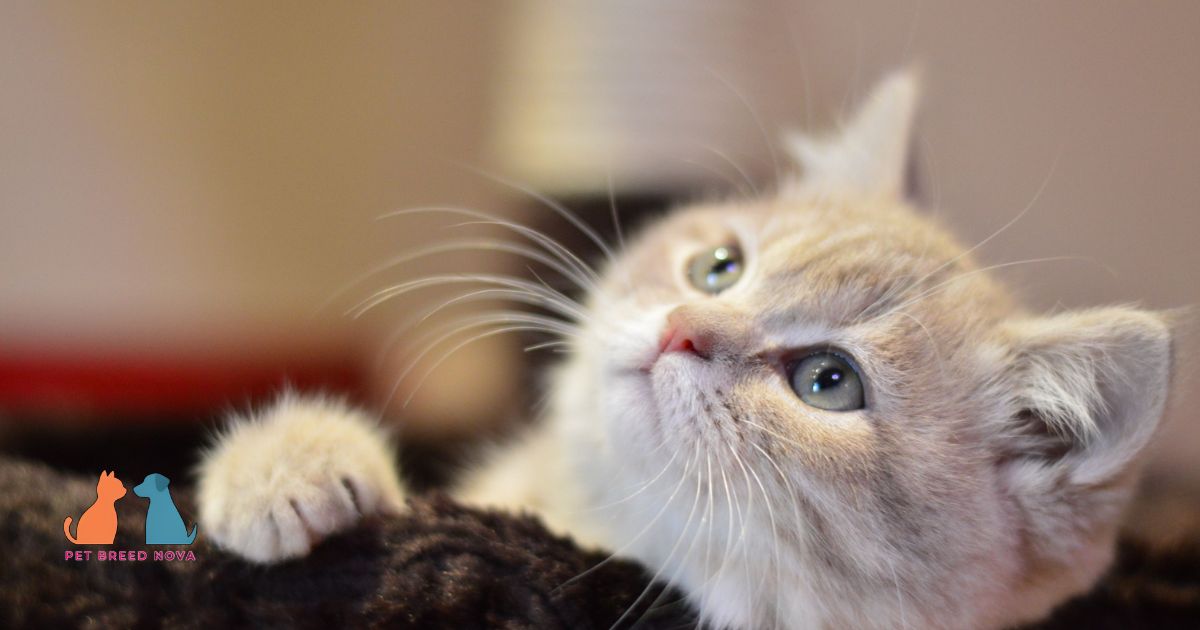
The British Shorthair is one of the most charming and well-loved cat breeds in the world, known for its teddy-bear looks and calm nature. This beautiful cat stands out with its round face, thick coat, and steady temperament, making it a top choice for families across Europe and the USA.
The British Shorthair personality is gentle, relaxed, and easygoing, which makes it perfect for both beginners and experienced pet owners. With a rich British Shorthair history, this breed has evolved into a loyal and dependable companion. Many people also admire its soft appearance, strong build, and peaceful behavior, making it an ideal indoor pet for modern homes. What makes this cat stand out is not only its beautiful looks but also its balanced nature.
History and Origin of the British Shorthair
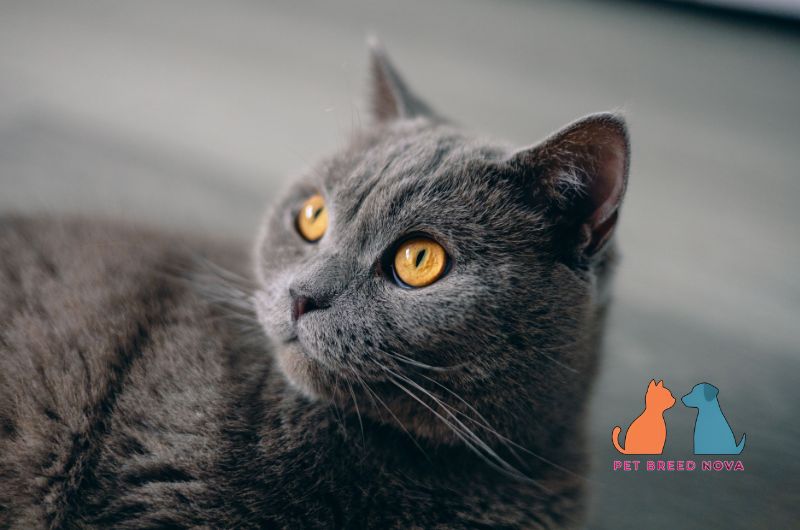
The story of this breed begins nearly 2,000 years ago. Historians believe that Roman Empire cats arrived in Britain alongside Roman soldiers. These sturdy felines served as rodent control cats on ships, farms, and military camps. Over generations, they adapted to the British climate and developed into strong and resilient cats with exceptional hunting abilities.
As cat breeding became popular during the Victorian era, enthusiasts refined the breed’s appearance. Breeders focused on creating the distinctive round face cat breed known today for its chubby cheeks, soft plush fur, and dense plush coat. The famous British Blue cat became especially popular. Although the breed suffered population declines during both World Wars, dedicated breeding programs helped restore this iconic breed. Today, it remains one of the most respected short haired cat breeds in the world.
| British Shorthair History Timeline | Key Event |
| Roman Era | Cats brought to Britain |
| 1800s | Selective breeding begins |
| 1871 | First cat show appearance |
| World Wars | Population declines |
| Modern Era | Global popularity grows |
British Shorthair Cat Characteristics
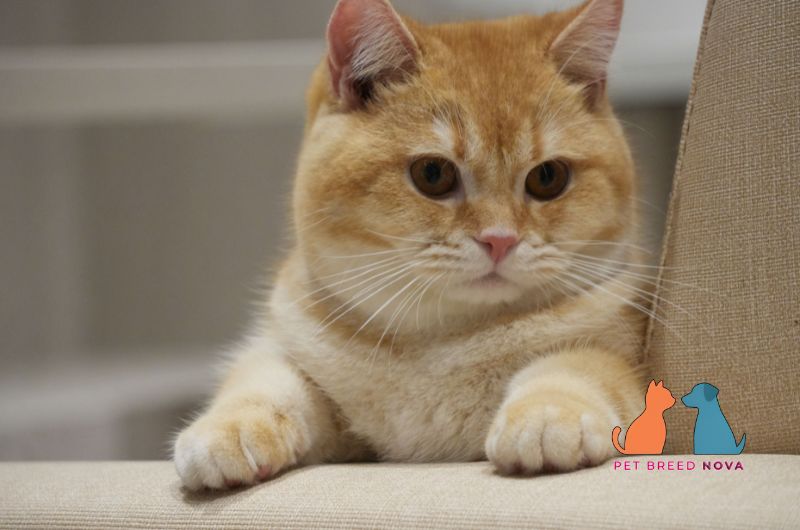
At first glance, the British Shorthair Cat looks like a living teddy bear. Its compact body, broad frame, and plush coat create a powerful yet adorable appearance. Among the most recognizable characteristics are its broad chest body type, thick neck, sturdy legs, and large paws. This muscular cat breed typically weighs between 4 and 8 kilograms depending on age and gender. The average British Shorthair size places it among medium-to-large cat breeds.
Another striking feature is the cat’s expressive face. Large round eyes, often appearing as copper colored eyes or golden shades, give the breed a sweet expression. Many owners describe it as a permanent smile. Combined with its rounded ears and thick coat, the breed creates a balanced appearance that feels both elegant and approachable. The impressive weight and strong build contribute to its reputation as one of the most robust domestic cats.
| Characteristic | Details |
| Size | Medium to Large |
| Weight | 4–8 kg |
| Lifespan | 12–20 years |
| Coat | Short, dense, plush |
| Eyes | Gold, copper, blue, green |
| Activity Level | Moderate |
British Shorthair Personality and Temperament
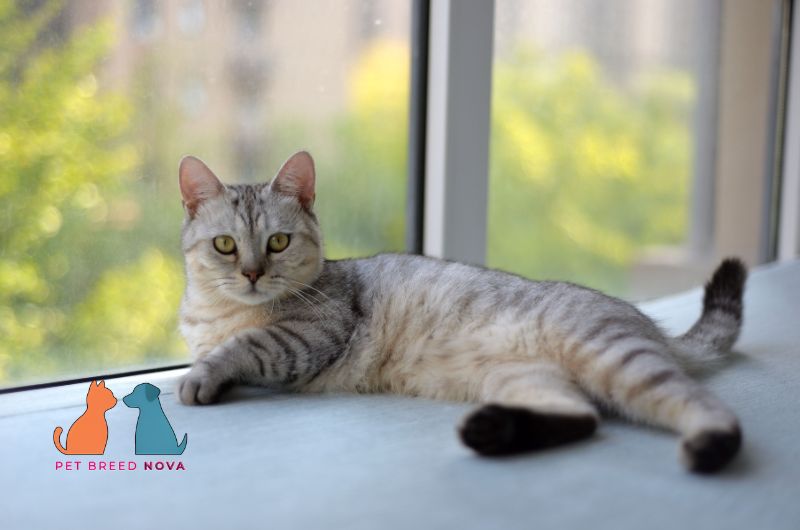
One reason the breed remains so popular is its wonderful temperament. Unlike highly demanding breeds, these cats offer companionship without becoming overly dependent. Their laid back personality makes them excellent pets for busy households. They enjoy spending time with family members yet remain comfortable entertaining themselves when necessary.
The typical British Shorthair personality combines affection, intelligence, patience, and calmness. This intelligent cat breed enjoys observing household activities and often follows owners from room to room. However, it rarely demands constant attention. Many owners appreciate the breed’s gentle cat behavior and quiet nature. If you want a loyal companion cat that respects personal space, the British Shorthair may be your ideal match.
These cats also adapt remarkably well to different living situations. Whether you live in a large house or a city apartment, they remain content as long as they receive affection and stimulation. Their behavior is predictable and stable, making them one of the most dependable feline companions available today.
Are British Shorthair Cats Good Family Pets?
Families often search for cats that can handle noise, activity, and frequent interaction. Fortunately, this feline excels in all these areas. This breed is widely considered a family friendly cat because of its balanced temperament and adaptability. Unlike some sensitive breeds, British Shorthairs usually remain calm when children play nearby.
Their reputation as a tolerant cat breed comes from their patience and confidence. Most display a patient with children attitude and rarely react aggressively when handled respectfully. They also coexist peacefully with other cats and friendly dogs. These qualities make them one of the most desirable affectionate cat breeds for families seeking a dependable companion.
The breed’s independent nature also benefits working professionals. British Shorthairs do not suffer separation anxiety as frequently as some breeds. They are considered an excellent indoor cat breed because they adapt well to indoor environments while maintaining a relaxed attitude. For many households, they become the perfect calm indoor companion.
British Shorthair Colors and Coat Varieties
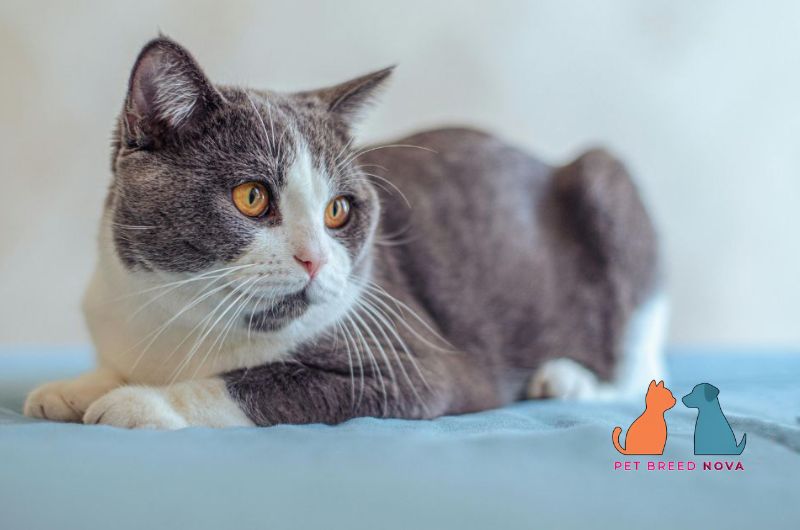
Many people assume all British Shorthairs are blue-grey. While the British Blue cat remains the most famous variety, the breed actually comes in a remarkable range of colors. Popular options include black, white, cream, chocolate, lilac, red, silver, golden, and bi-color patterns. These diverse color choices allow future owners to find a cat that perfectly matches their preferences.
Beyond color, the breed’s coat quality sets it apart. The signature dense plush coat feels luxurious to the touch and contributes to the breed’s teddy bear appearance. Unlike many long-haired breeds, the coat remains manageable while still providing impressive volume. This unique texture helps define the breed’s identity and supports its status as one of the most attractive low maintenance cats available today.
| Popular Coat Colors | Description |
| Blue | Classic blue-grey |
| White | Pure white coat |
| Black | Deep black coloring |
| Cream | Soft cream shade |
| Silver | Bright silver appearance |
| Golden | Rich golden tones |
| Bicolor | Two-color combinations |
Grooming and Shedding Needs
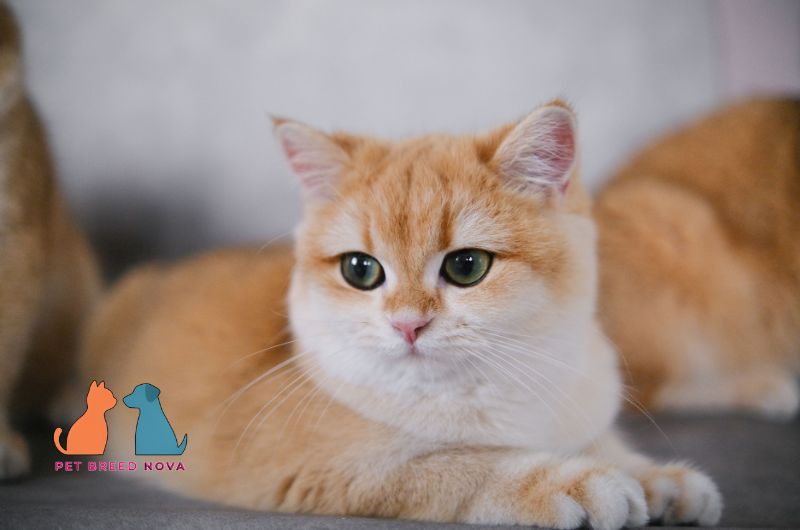
Although the breed is relatively easy to maintain, proper grooming remains essential. The thick coat traps loose hair, especially during periods of seasonal shedding. Weekly brushing usually removes dead fur and helps distribute natural oils throughout the coat. During heavy shedding seasons, more frequent brushing may be necessary.
A consistent cat grooming routine should include brushing, ear checks, dental care, and cat nail trimming. While British Shorthairs rarely develop severe coat tangles, regular cat coat care keeps the fur soft and healthy. Owners often describe them as one of the easiest low maintenance cats because their grooming requirements remain simple compared to long-haired breeds.
Despite their relaxed nature, these cats still need attention beyond grooming. Providing a cat scratching post helps maintain healthy claws while protecting furniture. Combined with regular routine vet care, grooming supports overall wellness and contributes to a long and comfortable life.
“A well-groomed British Shorthair is not only beautiful but also healthier, happier, and more comfortable.”
| Grooming Task | Frequency |
| Brushing | 1–2 times weekly |
| Nail Trimming | Every 2–4 weeks |
| Ear Cleaning | Monthly |
| Dental Care | Weekly |
| Vet Checkups | Annually |
The combination of beauty, calmness, and easy maintenance explains why the British Shorthair continues to rank among the most beloved cat breeds worldwide. From its fascinating history to its charming personality and manageable grooming needs, this remarkable cat offers a rewarding ownership experience for families, singles, and seniors alike.
Best Diet and Nutrition for British Shorthair Cats
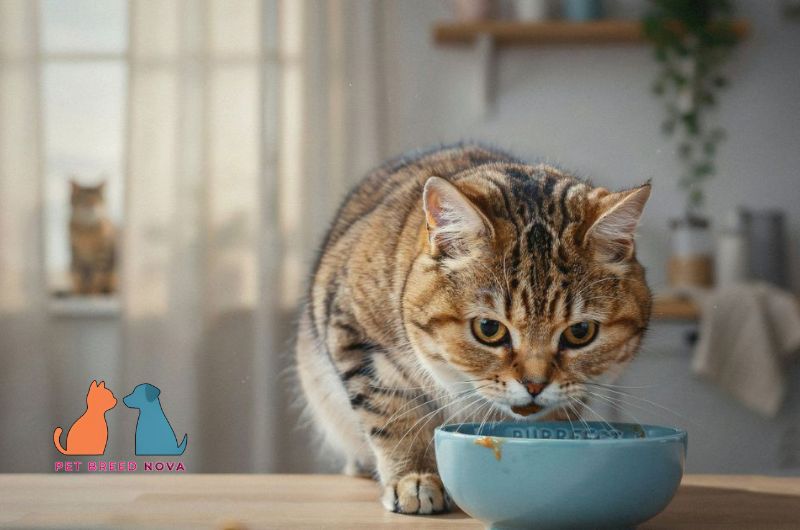
A strong body needs a smart diet plan. The British Shorthair nutrition must support muscles, joints, and weight balance. This breed easily becomes overweight cats, so portion control matters more than free feeding. A healthy cat diet with measured meals keeps energy stable and body fit.
Focus on protein rich cat food with real meat as the first ingredient. Chicken, turkey, or fish works well for daily meals. Wet food helps with cat hydration and urinary balance. Avoid excessive treats because this diet directly affects long term health and activity levels.
| Food Type | Benefit |
| Wet Food | Better hydration |
| Dry Food | Dental support |
| Raw/High Protein | Muscle strength |
| Mixed Diet | Balanced nutrition |
The best food for British Shorthair includes high-quality animal protein and controlled fats. This keeps their muscular cat breed body in shape. Fresh water must always be available to support kidney and urinary health.
Common Health Problems in British Shorthair Cats
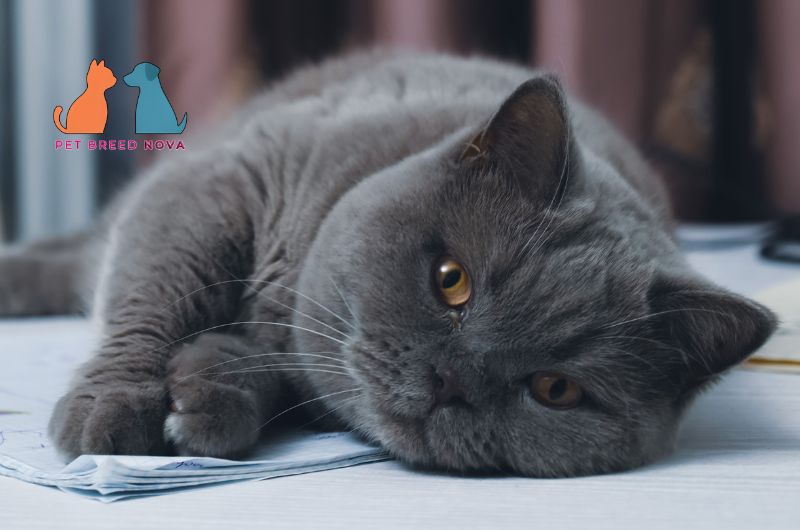
Like all breeds, this cat has certain health issues that owners should understand. One serious condition is Hypertrophic Cardiomyopathy in cats, a heart disease that affects muscle thickness. Regular checks help detect early signs of heart disease in cats.
Other issues include feline lower urinary tract disease, obesity, and dental problems. Because of their calm nature, they are prone to low activity which increases risk of weight gain. Preventive routine vet care helps reduce complications and supports a long life.
| Health Issue | Risk Level |
| HCM | High |
| Obesity | High |
| FLUTD | Medium |
| Dental Disease | Medium |
| Eye Problems | Low |
Early care keeps them strong and supports a long living cat breed lifestyle. A healthy routine reduces most common cat diseases before they become serious.
Training and Exercise Needs
Training a British Shorthair is simple but requires patience. This training works best with rewards and calm communication. They respond well to consistency rather than force. Short sessions keep focus strong and stress low.
Use clicker training cats methods for basic commands. These cats learn slowly but steadily. Provide puzzle toys for cats to activate their mind and prevent boredom. Mental engagement is important for this intelligent cat breed.
| Training Area | Method |
| Litter Training | Early introduction |
| Behavior | Positive reinforcement |
| Exercise | Interactive play |
| Scratching | Scratching post use |
Daily movement supports cat exercise needs and prevents obesity. Even though they are playful but calm cat, they still enjoy short play sessions. Without stimulation, they may become inactive and gain weight.
British Shorthair Kitten Price and Buying Guide
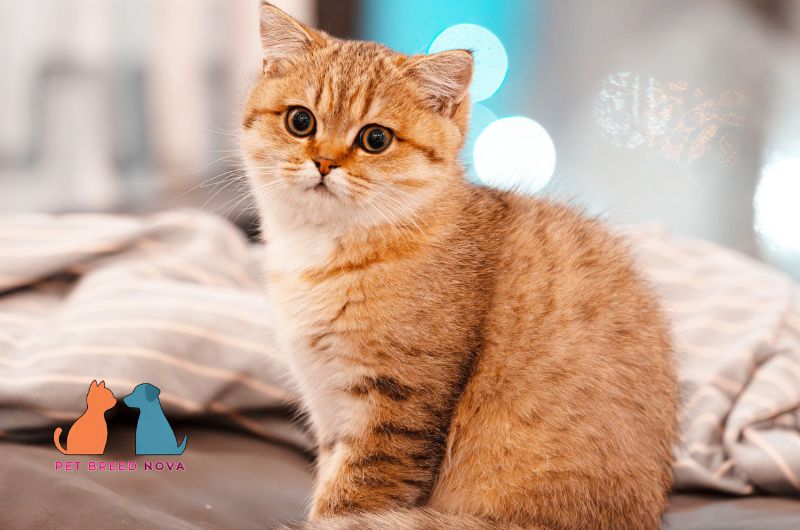
The cost of a British Shorthair kitten varies in Europe and the USA. Prices depend on breeder quality, pedigree, and color. In general, Europe ranges from $800 to $2000 while the USA can go higher for show-quality cats.
Choosing a reputable breeder is important for avoiding genetic issues. Always check health records and vaccination history. A responsible breeder ensures healthy characteristics and reduces future medical risks.
| Region | Price Range |
| Europe | $800 – $2000 |
| USA | $1000 – $2500 |
| Show Quality | Up to $3000+ |
Adoption is also possible through a cat adoption platform, which offers a chance to give a home to a cat in need. Always prepare your home before bringing a kitten for smooth adjustment.
Pros and Cons of Owning a British Shorthair
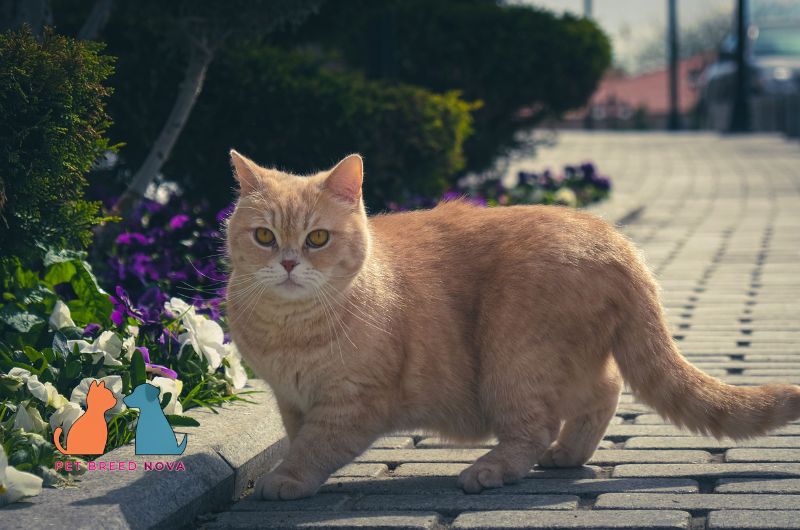
Owning this breed brings many joys. The biggest advantage is their calm nature and adaptability. They are one of the most reliable calm cat breeds and fit well into modern homes. Their independent behavior makes them easy to manage for busy owners.
However, there are some challenges. They require weight monitoring and regular grooming. Their calm nature may also mean less playful interaction compared to active breeds. Still, their British Shorthair behavior makes them ideal companions for stable households.
| Pros | Cons |
| Calm temperament | Prone to weight gain |
| Low maintenance | Less active |
| Family friendly | Needs diet control |
| Long lifespan | Can be independent |
For many owners, the benefits outweigh the challenges, especially for those seeking a relaxed companion.
Breed Comparison
When compared with other breeds, the British Shorthair stands out for balance. Unlike highly active cats, it offers steady companionship without chaos. It is more relaxed than many short haired cat breeds and more stable than energetic hybrids.
Compared to the American Shorthair, it has a rounder face and thicker coat. Compared to Ragdolls, it is more independent. This makes it suitable for people who want a calm indoor companion rather than a clingy pet.
Conclusion
The British Shorthair remains one of the most balanced cats in the world. Its calm nature, strong body, and soft personality make it a perfect indoor pet. From British Shorthair history to modern care needs, this breed continues to win hearts across Europe and the USA.
If you want a quiet, loving, and dependable companion, this breed is a strong choice. With proper diet, care, and attention, the British Shorthair becomes a lifelong friend filled with gentle affection and quiet charm. And if you love fluffier coats, you might want to read about the Persian cat breed instead. On the other hand, those looking for smaller, playful felines will find the Munchkin cat breed incredibly charming.
FAQs
Is British Shorthair a good cat breed?
Yes, the British Shorthair is an excellent cat breed. It is calm, friendly, low-maintenance, and great for families and apartment living.
Is British Shorthair expensive?
Yes, it can be expensive depending on pedigree and location. In the USA and Europe, kittens often cost between moderate to high prices.
What is the 3 most expensive cat?
Three of the most expensive cat breeds are the Ashera cat, Savannah cat, and Bengal cat, especially high-generation Savannahs.
What cat breed is very clingy?
Ragdoll, Siamese, and Burmese cats are known for being very clingy and highly affectionate with their owners.
What is the rarest cat breed?
The Sokoke cat and Ashera (hybrid) are often considered among the rarest cat breeds in the world.
Meta Description
Meet the British Shorthair! Discover their calm nature, round chubby cheeks, and plush coat that makes them perfect companions.

Asher Nova is a passionate pet enthusiast and feline behavior researcher with over a decade of experience exploring unique cat breeds. Through Pet Breed Nova, he shares factual insights to help pet parents give their companions the best care possible.









3 thoughts on “British Shorthair Cat: Personality, Care, Traits, Health & Complete Breed Guide”