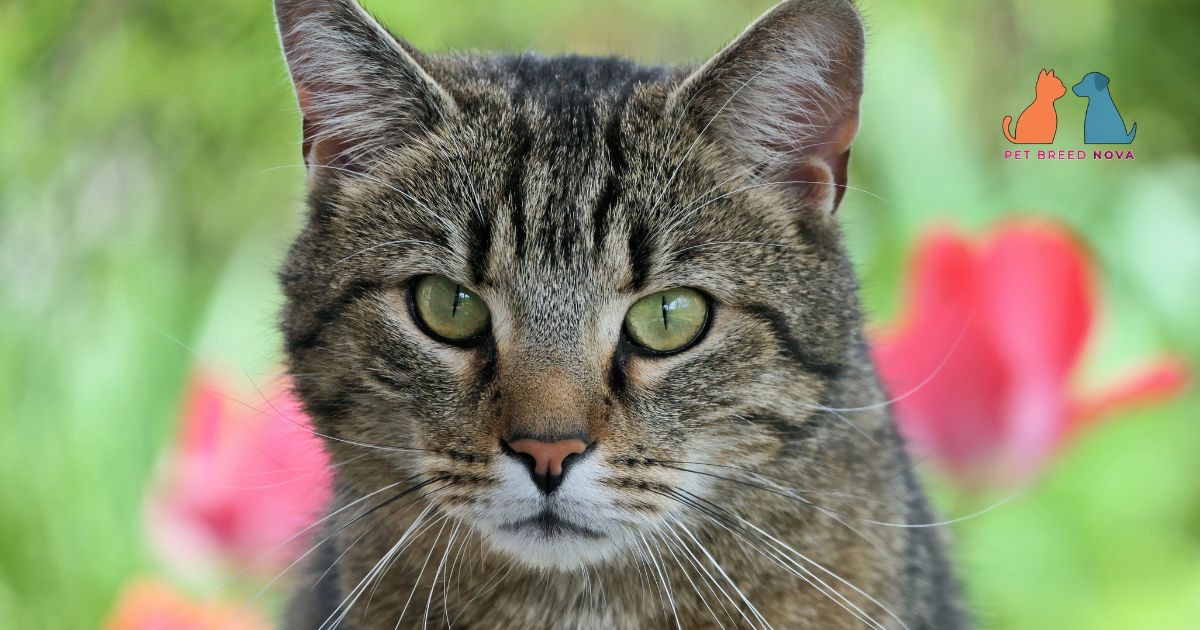
The European Shorthair is a timeless feline admired for its natural beauty, intelligence, and loyal nature. As one of the oldest European cat breed varieties, it has earned a reputation as a wonderful family cat that adapts easily to different homes and lifestyles. Whether you live in Europe or the USA, this charming companion offers the perfect blend of affection, independence, and playful energy.
With its strong health, easy grooming needs, and friendly personality, the European Shorthair cat is an excellent choice for first-time and experienced owners alike. In this guide, you’ll discover everything about its history, appearance, temperament, care, health, lifespan, and ownership costs to help you decide if this remarkable companion cat is the perfect addition to your family.
What Is a European Shorthair?
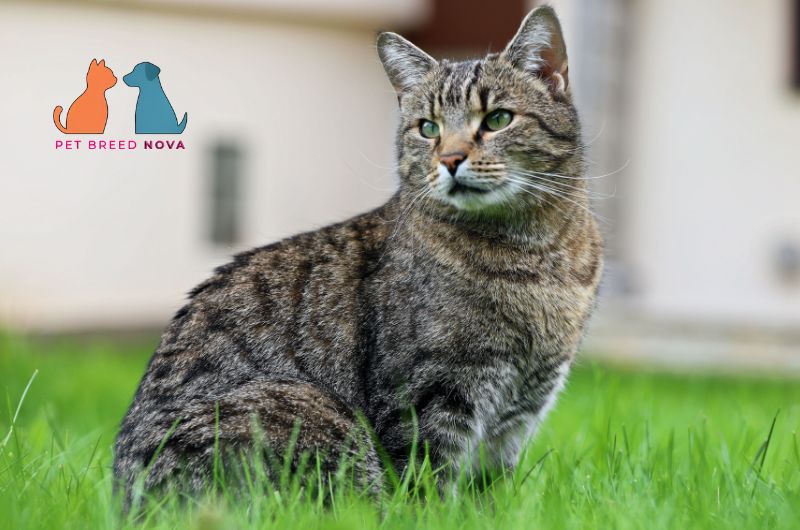
The European Shorthair is a natural purebred cat that traces its roots back hundreds of years. Unlike mixed-breed cats, this recognized domestic feline follows official breed standards while keeping the strong traits developed by nature. It is admired for its adaptable cat personality, dependable health, and balanced appearance. Many experts consider it one of the healthiest natural cat breeds because it has avoided the extreme physical features seen in some modern breeds. If you want a loving family cat that enjoys both playtime and quiet moments, this breed is an excellent choice.
One of the greatest strengths of this breed is its versatility. It easily adjusts to different homes, climates, and lifestyles. It enjoys spending time with people, yet it also values independence. This balance makes it a wonderful companion animal for busy families, retirees, and single owners alike. Thanks to its intelligence and curiosity, it quickly learns household routines and adapts to new situations with confidence.
Origin and History of the European Shorthair
The fascinating cat breed history of the European Shorthair stretches back to the earliest civilizations. Historians believe the ancestors of today’s breed were related to the famous Egyptian cats that protected grain stores from rodents. As trade expanded across the Mediterranean, the Greeks and later the Romans brought these skilled hunters throughout Europe. Their excellent hunting instinct quickly earned them an important place in villages, homes, and marketplaces where they controlled mice and rats with remarkable efficiency.
Over the centuries, these hardworking cats became trusted companions on farms and inside grain warehouses, where they worked as expert mouse hunter cats. Many people also associate the breed with Sweden, where organized breeding helped preserve its natural qualities. Although often described as a Swedish cat breed, it represents the traditional domestic cat found across much of Europe. Today, countries such as the Netherlands, Finland, Denmark, and Sweden continue to protect this breed through responsible breeding programs that focus on health, temperament, and natural beauty instead of exaggerated features.
European Shorthair Appearance
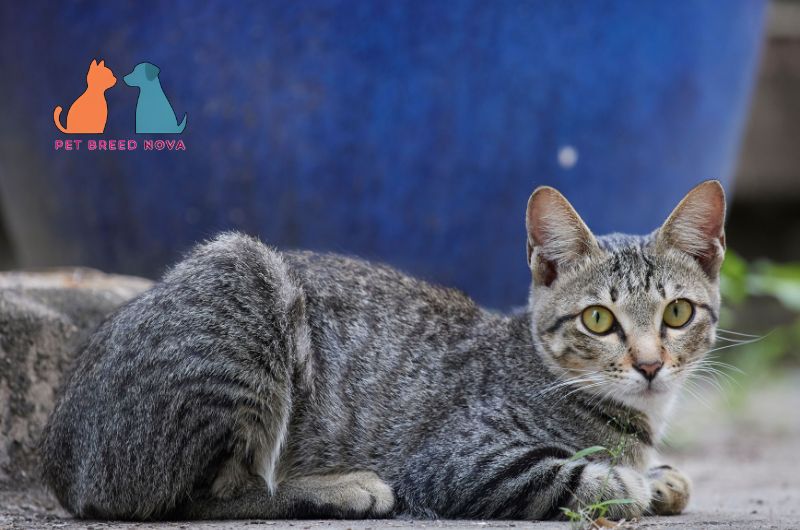
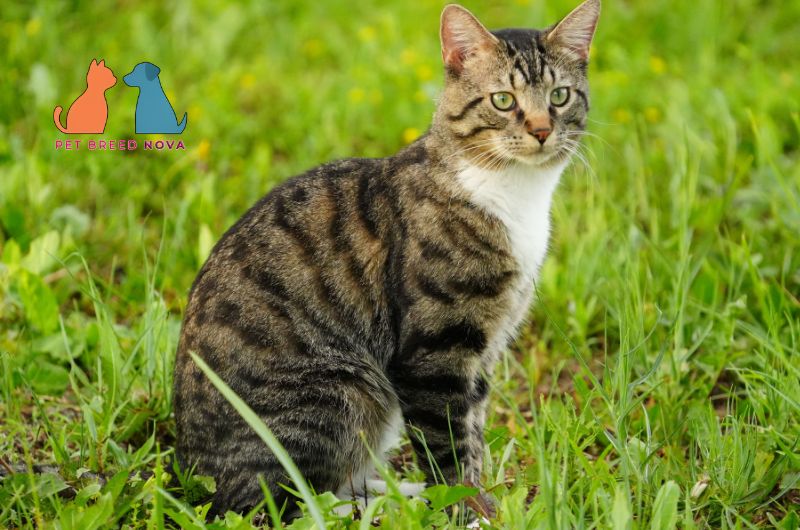
The European Shorthair combines strength with elegance. This attractive medium to large cat has a powerful yet balanced build that reflects its history as a working hunter. Its sturdy muscular body, strong legs, and slightly rounded chest allow it to jump, climb, and run with ease. The broad tail provides excellent balance during movement, while the round face, prominent cheeks, and expressive large eyes give the breed a gentle and intelligent expression. Every part of its body has a practical purpose, making this cat one of the most naturally proportioned cat breeds in the world.
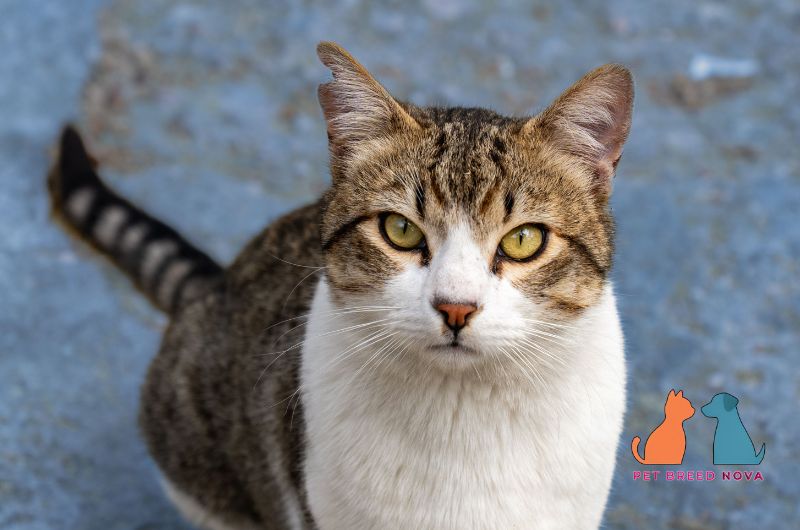
Another reason people admire this breed is its incredible variety of coat colors and patterns. Its smooth short coat, dense coat, and thick fur protect it during cold weather while remaining easy to maintain. Accepted coat colors include black coat, red coat, blue coat, cream coat, and white coat, along with beautiful tabby pattern variations and attractive white markings. Because almost every natural coat pattern is accepted, no two cats look exactly alike. This wide range of appearances makes each European Shorthair cat truly unique while preserving the breed’s classic charm.
European Shorthair vs British Shorthair
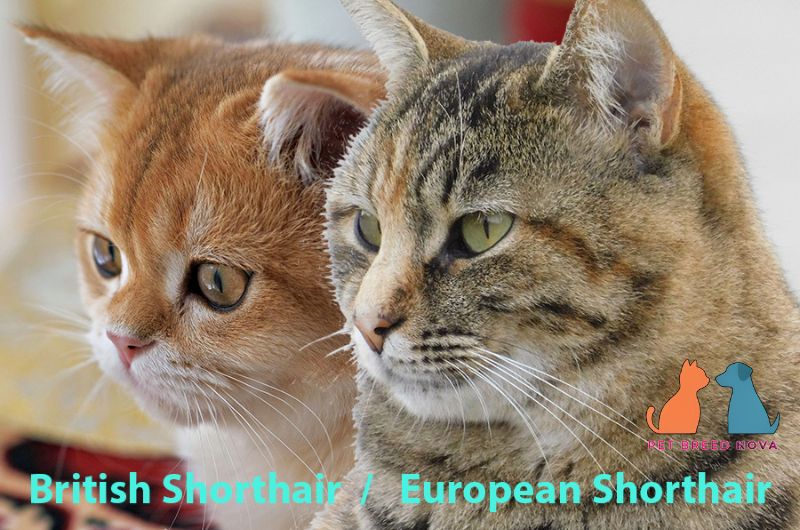
Although these breeds share similar names, they are quite different. The European Shorthair vs British Shorthair comparison often surprises new cat owners. The European Shorthair has a leaner, more athletic body, while the British Shorthair is heavier with a rounder build. The European breed also has a more active personality and stronger hunting skills. If you want an energetic, intelligent companion that enjoys both indoor relaxation and outdoor exploration, the European Shorthair is often the better choice.
| Feature | European Shorthair | British Shorthair |
| Origin | Continental Europe | Great Britain |
| Body Type | Athletic and muscular | Stocky and heavy |
| Coat | Short, dense, easy to maintain | Thick and plush |
| Personality | Active, curious, adaptable | Calm, relaxed, reserved |
| Activity Level | High | Moderate |
| Hunting Ability | Strong | Moderate |
European Shorthair Personality and Temperament
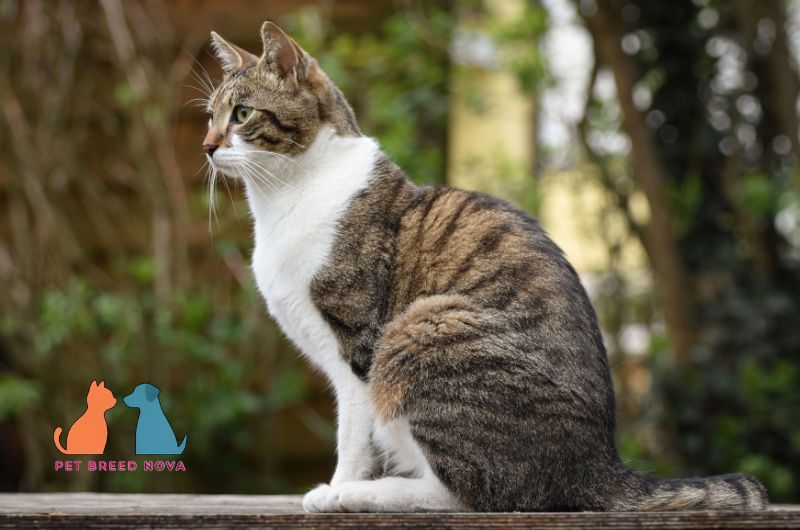
The European Shorthair wins hearts with its balanced nature and friendly attitude. Unlike some breeds that demand constant attention, this European Shorthair cat enjoys your company while respecting your personal space. It is a friendly cat, an intelligent cat, and an adaptable cat that settles comfortably into almost any home. Whether you live alone or with a large family, this breed quickly learns daily routines and becomes a loyal companion. Its curiosity keeps life interesting because it loves exploring new places, watching birds through windows, and joining family activities without becoming overly demanding.
One of the biggest reasons people love the European Shorthair personality is its perfect mix of independence and affection. It enjoys sitting beside you after a long day, yet it is also happy to entertain itself with toys or quiet exploration. This companion cat rarely becomes clingy, making it ideal for owners who work during the day. With proper cat socialization, it grows into a confident social cat that welcomes visitors instead of hiding under furniture.
Typical Personality Traits
Every European Shorthair has its own character, yet several traits remain consistent throughout the breed. It is known for its gentle personality, friendly temperament, and calm confidence. This playful cat enjoys games that challenge both body and mind. Puzzle toys, feather wands, and climbing trees provide excellent mental stimulation while encouraging healthy interactive play. Unlike highly vocal breeds, the European Shorthair usually communicates through soft meows and expressive body language.
Its natural intelligence also makes training surprisingly easy. Many owners successfully teach simple commands, encourage leash walking, or introduce puzzle feeders to keep the cat engaged. Because this intelligent breed enjoys learning, positive reinforcement works far better than punishment. Patience and rewards create trust while strengthening the bond between you and your pet.
Family Compatibility
If you are searching for a children-friendly cat, the European Shorthair deserves serious consideration. Its calm temperament allows it to remain patient during family activities, provided children treat it with kindness and respect. Instead of reacting aggressively, this breed usually walks away from uncomfortable situations. That gentle response makes it one of the safest choices for households with young children.
The breed also adapts well to other pets when introductions happen gradually. Many European Shorthair cats happily share their homes with friendly dogs or other cats. Early socialization plays a major role in developing these positive relationships. As a result, this family-friendly breed often becomes the peaceful center of a multi-pet household.
Activity Level and Behavior
Although relaxed indoors, the European Shorthair remains an active cat with impressive athletic ability. Its strong hunting instinct reflects centuries of working as a mouse catcher on farms and in villages. Even indoor cats enjoy chasing moving toys, climbing furniture, or watching wildlife through a window. These activities satisfy natural instincts while providing valuable physical activity.
Owners should never mistake this calm behavior for laziness. Without enough exercise, boredom may lead to destructive habits or unwanted weight gain. Daily games, climbing shelves, and puzzle feeders help maintain both physical fitness and emotional well-being. Whether living as an indoor cat or an outdoor cat with safe supervision, the European Shorthair thrives when it has opportunities to explore and stay mentally engaged.
European Shorthair Care Guide
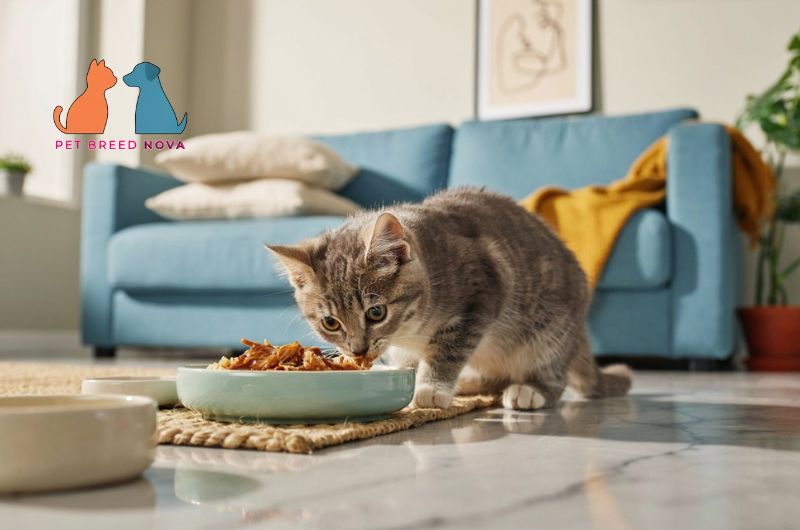
Caring for a European Shorthair is rewarding because this breed combines natural resilience with simple care needs. Even so, regular attention helps your cat enjoy a long and healthy life. Good cat care begins with proper cat nutrition, routine health checks, and an enriching environment. While this breed does not require complicated grooming, consistent daily habits build a happier and healthier companion. Small efforts today often prevent larger health problems later.
Every owner should also understand that emotional well-being matters as much as physical health. The European Shorthair enjoys routine, affection, and opportunities to explore. A comfortable resting place, fresh water, scratching posts, and interactive toys create an environment where this intelligent breed feels secure. These simple additions reduce stress while encouraging healthy behavior.
Feeding and Nutrition
A balanced diet supports every stage of the European Shorthair life. High-quality food rich in animal protein helps maintain strong muscles and healthy energy levels. Proper cat nutrition should include age-appropriate meals because kittens, adults, and senior cats have different dietary needs. Fresh water should always remain available throughout the day.
Portion control is equally important because obesity in cats becomes more common with age. Overfeeding and too many treats can quickly lead to unnecessary weight gain. Regular cat exercise, combined with a balanced diet, helps maintain a healthy weight and supports long-term health.
Grooming and Hygiene
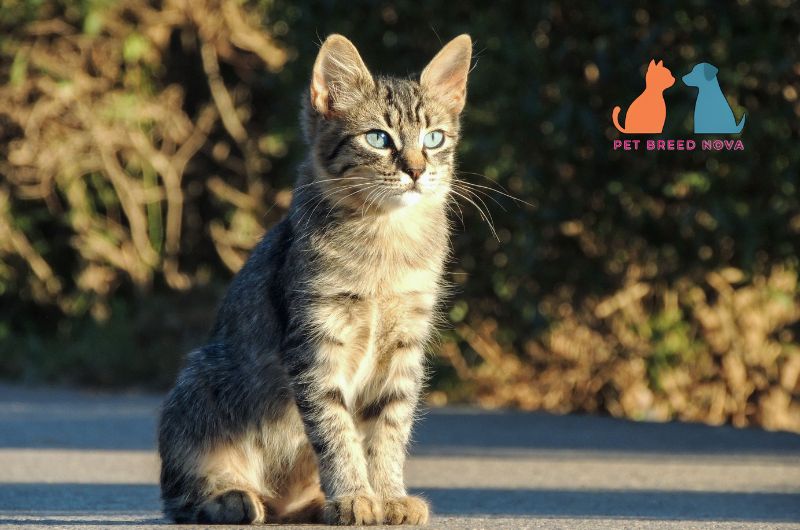
The European Shorthair grooming routine is refreshingly simple. Its short coat naturally stays clean and only needs brushing once or twice each week to remove loose hair and distribute natural oils. Regular grooming also provides an excellent opportunity to check the skin for parasites, injuries, or unusual lumps.
Good hygiene extends beyond brushing. Nail trimming, ear cleaning, dental care, and routine veterinary checkups all contribute to a healthier life. These small habits reduce the risk of infections and help owners notice health concerns before they become serious.
Exercise and Indoor Living
Despite its independent nature, the European Shorthair needs regular exercise needs to remain healthy. Interactive toys, climbing trees, tunnels, and puzzle feeders encourage daily movement while satisfying natural curiosity. These activities provide valuable mental stimulation and prevent boredom, especially for cats living indoors.
Many owners ask whether this breed prefers an indoor lifestyle or outdoor access. The answer depends on your location and safety. Indoor living protects cats from traffic, disease, and predators. However, secure gardens or enclosed cat patios allow an adventurous outdoor explorer to enjoy fresh air without unnecessary risks. Whichever lifestyle you choose, regular playtime keeps your European Shorthair happy, confident, and healthy.
European Shorthair Health and Lifespan
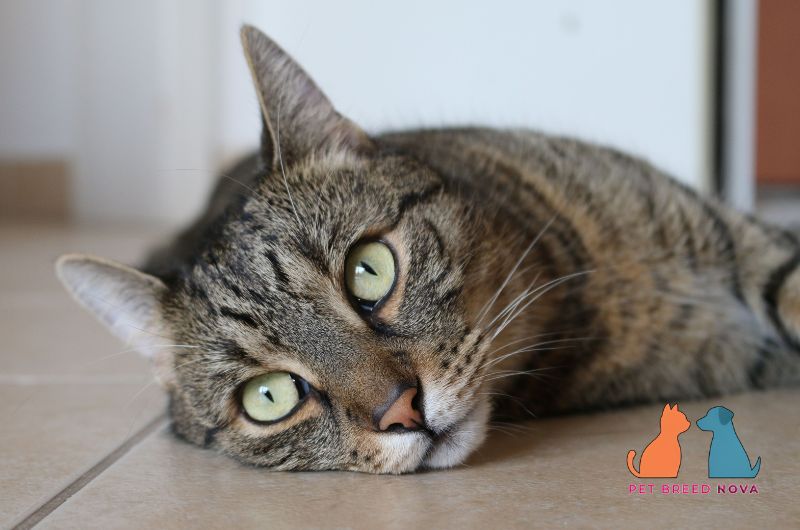
One reason the European Shorthair remains so popular is its excellent health. Unlike many breeds developed for appearance alone, this natural healthy breed has maintained strong genetics over centuries. With proper European Shorthair care, a nutritious diet, and regular medical attention, these cats often enjoy a long, active life. Many owners describe them as a hardy breed because they recover well from minor illnesses and adapt easily to different climates. Their naturally strong immune system makes them a wonderful choice for both first-time and experienced cat owners.
Although the breed is generally healthy, responsible pet ownership still requires commitment. No cat is completely free from health risks, and early prevention is always better than treatment. Regular health monitoring allows small problems to be discovered before they become serious. A healthy lifestyle, combined with love and attention, gives your European Shorthair the best chance of living a happy and comfortable life for many years.
Average Lifespan
The average European Shorthair lifespan ranges from 15 to 20 years, although some cats live even longer with excellent care. Genetics certainly play a role, yet everyday habits often have a greater influence. A balanced routine, high-quality food, regular exercise, and routine health checks all contribute to a longer life. Because this breed develops naturally instead of through extreme selective breeding, it often enjoys fewer inherited disorders than many other pedigree cats.
As your cat grows older, its needs gradually change. Senior cats usually become less active and require adjusted feeding plans to avoid unnecessary weight gain. Comfortable sleeping areas, gentle daily activity, and frequent veterinary care help older cats remain healthy and comfortable throughout their golden years.
Common Health Problems
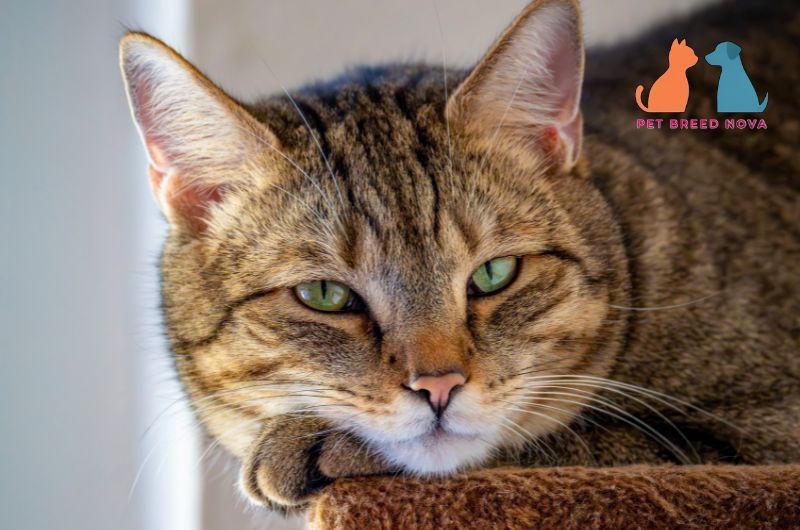
Although the European Shorthair health record is impressive, owners should remain aware of several common conditions. The biggest concern is obesity, which affects many indoor cats that receive too much food and too little exercise. Excess weight places extra strain on joints, the heart, and other organs. Fortunately, simple weight management through proper meals and regular play can prevent most cases.
Dental disease may also develop if teeth are ignored for long periods. Some older cats experience arthritis or urinary tract problems, especially when hydration is poor. Routine preventive care, regular veterinary checkups, and timely cat vaccinations greatly reduce the risk of serious illness. Watching for changes in appetite, drinking habits, or behavior allows owners to seek professional advice before minor concerns become major problems.
Preventive Healthcare
Keeping your European Shorthair healthy begins with prevention rather than treatment. Annual health examinations allow veterinarians to monitor body condition, detect hidden illnesses, and recommend appropriate vaccinations. Parasite prevention also protects your cat from fleas, ticks, and intestinal worms that may affect both indoor and outdoor pets.
Healthy living goes beyond medical visits. Daily physical activity, fresh drinking water, quality food, and a clean environment all support long-term wellness. A simple routine of brushing, dental care, and regular observation helps your cat remain a confident, energetic, and robust cat throughout its life.
| Health Factor | Recommendation |
| Average Lifespan | 15–20 years |
| Vet Visits | Once or twice each year |
| Vaccinations | Follow your veterinarian’s schedule |
| Weight Control | Balanced diet and daily play |
| Dental Care | Brush teeth regularly or use dental treats |
| Exercise | At least 20–30 minutes of active play daily |
European Shorthair Kittens
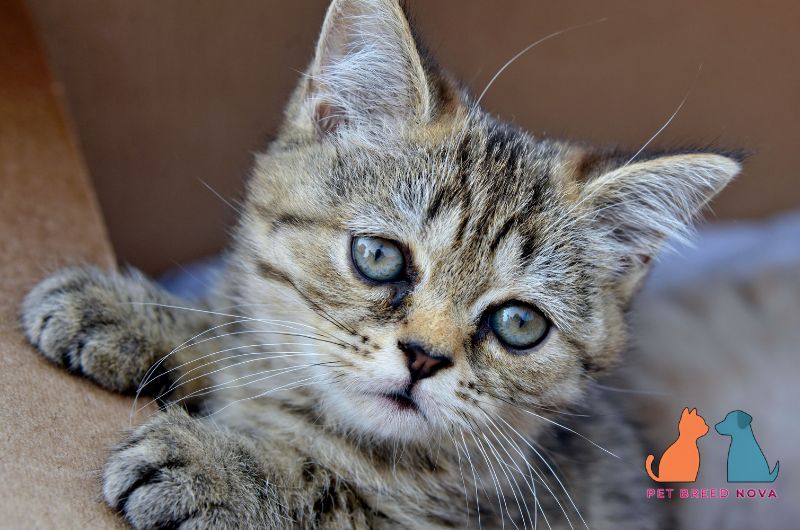
Bringing home European Shorthair kittens is an exciting experience. These curious little cats learn quickly, enjoy exploring every corner of their new home, and build strong bonds with their family through playful behavior. During the first few months, they develop habits that shape their future personality. Early training, patience, and positive experiences help them grow into calm, affectionate adults.
Choosing a kitten should never be based on appearance alone. Health, temperament, and early cat socialization matter far more than coat color or markings. Before your kitten arrives, prepare a safe home with a comfortable sleeping area, scratching posts, litter trays, toys, and quality food. Remove poisonous plants, secure electrical wires, and store small objects that could be swallowed.
Establishing a routine from the beginning makes life easier for both you and your pet. Consistent feeding times, gentle handling, early litter training, and proper cat nutrition support healthy growth and confidence. Daily play strengthens coordination, while positive experiences with people, gentle pets, and household sounds help prevent fear later in life.
Finding a healthy kitten begins with choosing a responsible cat breeder. A trustworthy certified breeder provides health records and explains vaccination schedules. You can also consider cat adoption through a pet shelter or rescue organization. Whether you choose a reputable breeder or an animal shelter, careful planning helps ensure your new companion enjoys a safe, happy, and healthy future.
European Shorthair Price and Ownership Costs
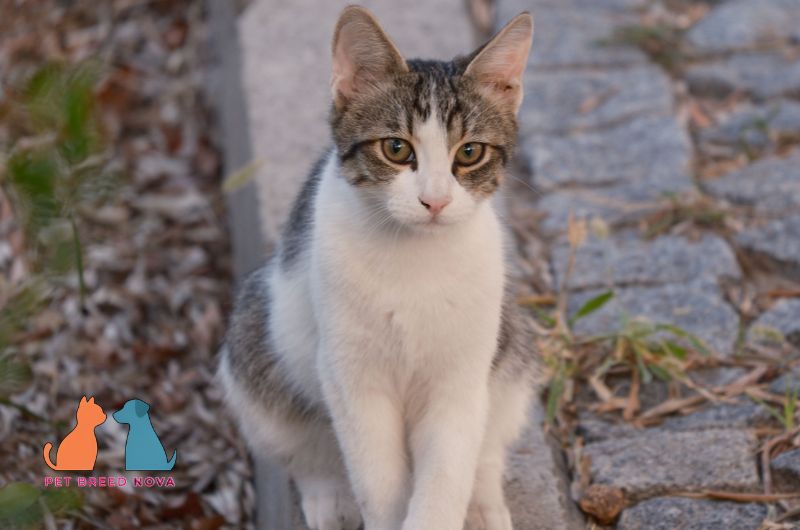
Bringing a European Shorthair into your home is a long-term commitment that goes beyond the initial purchase. While this breed is known for its strong health and simple European Shorthair care, every owner should understand the full cost of owning a cat before making a decision. Planning your budget in advance helps you provide excellent care throughout your pet’s life without unexpected financial stress. A well-cared-for cat often rewards its owner with many years of companionship, making every investment worthwhile.
The total cost depends on where you live, whether you choose a breeder or adoption, and the level of care you provide. Families in the USA and Europe may notice slight price differences because of local demand, veterinary fees, and breeder standards. Regardless of location, choosing quality care over the cheapest option usually leads to a healthier and happier cat.
How Much Does a European Shorthair Cost?
The average European Shorthair price varies depending on pedigree, breeder reputation, bloodline, age, and location. A healthy European Shorthair kitten from a trusted certified breeder generally costs between €700 and €1,200 in many European countries. In the United States, prices often range from $800 to $1,500, especially when importing kittens from European breeding programs.
Although buying from an experienced cat breeder may seem expensive, it often saves money in the long run. Responsible breeders perform health screenings, provide early cat vaccinations, begin proper socialization, and offer guidance throughout the kitten’s early development. Avoid unusually cheap offers because poor breeding practices can increase future veterinary expenses.
Monthly and Annual Expenses
The purchase price is only the beginning of responsible cat ownership. Your European Shorthair will need nutritious food, quality litter, toys, regular grooming supplies, and routine medical care throughout its life. Annual health examinations and preventive treatments also play an important role in maintaining a healthy pet.
Preparing for unexpected emergencies is equally important. Pet insurance or a dedicated emergency savings fund can reduce financial pressure if your cat becomes ill or injured. Investing in preventive healthcare almost always costs less than treating advanced medical conditions.
| Expense | Estimated Cost |
| European Shorthair kitten | €700–€1,200 / $800–$1,500 |
| Food | €25–€60 per month |
| Litter | €15–€30 per month |
| Routine Veterinary care | €100–€300 per year |
| Pet Insurance | €15–€40 per month |
| Toys and Accessories | €50–€150 per year |
Adoption vs Buying
Not every future owner needs to purchase a kitten from a breeder. Cat adoption offers another wonderful way to welcome a European Shorthair into your family. Many adult cats and young kittens are waiting in local rescue centers and pet shelter organizations. Adoption fees are usually much lower than breeder prices and often include vaccinations, microchipping, and spaying or neutering.
If you decide to buy instead, always choose a reputable breeder with an excellent reputation. A responsible breeder welcomes questions, provides complete health records, and allows you to meet the kittens and their mother. Whether you choose adoption or purchase from a breeder, selecting a healthy, well-socialized cat should always be your highest priority.
Pros and Cons of Owning a European Shorthair
The European Shorthair has become one of the most respected natural cat breeds because it offers an excellent balance of intelligence, affection, and independence. Its adaptable nature allows it to fit comfortably into many different homes. However, like every breed, it has strengths as well as a few challenges. Understanding both sides helps you decide whether this cat truly matches your lifestyle.
Many first-time owners appreciate how easy this breed is to live with. At the same time, experienced cat lovers admire its natural athletic ability and confident personality. Knowing what to expect before bringing one home leads to a happier relationship for both owner and pet.
Advantages
The greatest strength of the European Shorthair is its versatility. This family-friendly breed develops close relationships with people while remaining confident enough to spend short periods alone. Its temperament combines curiosity with calmness, making it suitable for children, seniors, and multi-pet households. The breed’s long lifespan and naturally healthy breed status also reduce many concerns associated with inherited diseases.
Another major advantage is its low-maintenance lifestyle. Weekly brushing usually keeps the coat in excellent condition, while regular grooming, proper healthy nutrition, and daily play support lifelong wellness. Because this intelligent breed learns quickly, many owners successfully teach simple commands, puzzle games, and even leash walking.
Potential Challenges
Despite its many positive qualities, the European Shorthair still requires commitment. Its strong hunting instinct means it enjoys chasing moving objects and may attempt to hunt birds or small animals if allowed outdoors. Indoor cats also need regular mental stimulation to prevent boredom. Without enough activity, they may become restless or develop unwanted habits.
Weight gain presents another challenge, especially for cats living entirely indoors. Regular exercise needs, portion control, and consistent weight management help prevent obesity and maintain good health. Prospective owners should also remember that even an independent cat needs daily attention, affection, and companionship to live a happy and fulfilling life.
| Pros | Cons |
| Friendly and affectionate | Strong hunting instinct |
| Excellent with families | Needs daily mental stimulation |
| Healthy and hardy | Can gain weight without exercise |
| Easy grooming routine | Requires regular interactive play |
| Intelligent and adaptable | Outdoor safety must be considered |
| Long lifespan | Needs lifelong commitment |
Is the European Shorthair the Right Cat for You?
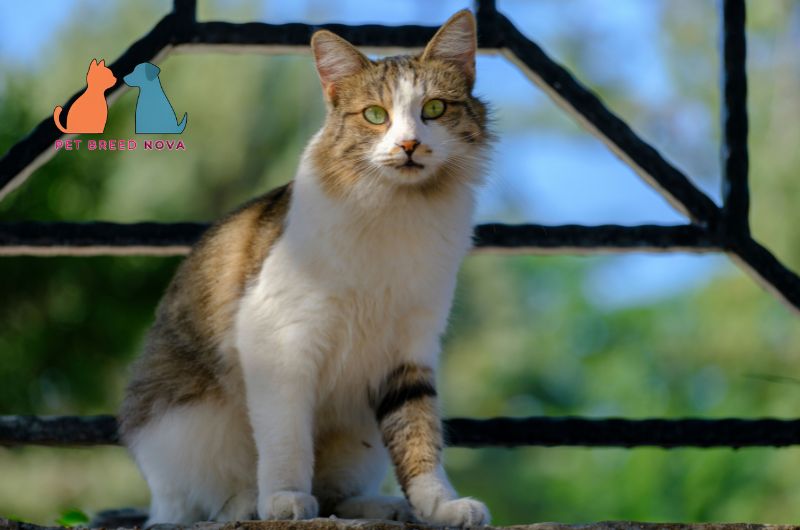
Choosing the right cat is an important decision because your new companion may stay with you for nearly two decades. The European Shorthair suits many different lifestyles thanks to its balanced personality and natural adaptability. Whether you live in a spacious country home or a modern apartment, this cat usually settles in with ease. Its combination of affection, intelligence, and independence makes it an excellent choice for people looking for a reliable companion animal that is neither overly demanding nor completely distant.
This breed thrives with owners who enjoy spending time with their pets each day. It appreciates attention, interactive games, and quiet moments beside its favorite people. If you can provide quality care, regular play, proper nutrition, and routine health checks, you will likely enjoy many happy years with this remarkable cat. In return, you gain a loyal friend that becomes an important part of the family.
Best Homes for This Breed
The European Shorthair adapts well to almost every household. It is an ideal choice for families with respectful children because many people ask, “Are European Shorthairs good family cats?” The answer is yes. Their patient nature and playful attitude help them build strong relationships with children while remaining calm in busy homes. Singles, couples, seniors, and busy professionals also appreciate this breed because it offers companionship without demanding constant attention. Although it has an independent nature, owners should still provide toys, climbing trees, and daily interaction to keep this intelligent cat mentally and physically satisfied.
Who Should Consider Another Breed?
Although the European Shorthair suits many homes, it may not match every lifestyle. People looking for a cat that spends hours sitting on their lap may prefer a more dependent breed. While it enjoys affection, it also values personal space and quiet independence. This active breed needs regular mental stimulation and exercise to stay happy. If you cannot provide daily interaction or an enriching environment, another breed with lower activity requirements may be a better choice.
Final Buying Checklist
Before welcoming a European Shorthair into your home, ask yourself whether you can provide a nutritious diet, regular veterinary visits, and enough time for daily play. Are you prepared for a commitment that may last 15 to 20 years? Have you chosen a trusted breeder or considered adoption through a rescue organization? Responsible pet ownership requires love, patience, consistency, and proper care. When these needs are met, this wonderful breed rewards you with years of affection, loyalty, and unforgettable memories.
FAQs
Are European Shorthair cats good pets?
Yes. European Shorthair cats are friendly, intelligent, and adaptable, making them excellent pets for families, singles, seniors, and first-time cat owners.
What is the difference between a European Shorthair and a domestic shorthair cat?
A European Shorthair is a recognized purebred with official breed standards, while a domestic shorthair is a mixed-breed cat with no specific pedigree or standard appearance.
Is my cat a European Shorthair?
Your cat is likely a European Shorthair only if it has a documented pedigree from a recognized breeder. Otherwise, it is usually considered a domestic shorthair.
Are European Shorthairs rare?
No. European Shorthairs are common across many European countries but are less common in the United States and some other regions.
Do European Shorthairs shed a lot?
No. They shed a moderate amount throughout the year, with slightly heavier shedding during seasonal changes. Weekly brushing usually keeps shedding under control.
Conclusion
The European Shorthair is much more than a beautiful cat. It is a healthy, intelligent, and affectionate companion that has earned its reputation through centuries of natural development. Its adaptable personality, easy grooming needs, impressive lifespan, and strong overall health make it one of the finest choices for families, singles, and first-time cat owners across Europe and the USA.
Whether you choose a kitten from a responsible breeder or welcome a rescued cat into your home, the European Shorthair offers years of friendship, loyalty, and unforgettable moments. With proper care, a balanced diet, regular veterinary checkups, and plenty of love, this remarkable breed will reward you with a lifetime of companionship. If you are searching for a cat that combines beauty, intelligence, and gentle character, the European Shorthair could be the perfect addition to your family.
Meta Description
Meet the European Shorthair—a loyal, playful, and healthy cat. Discover its personality, care, lifespan, and price today!

Asher Nova is a passionate pet enthusiast and feline behavior researcher with over a decade of experience exploring unique cat breeds. Through Pet Breed Nova, he shares factual insights to help pet parents give their companions the best care possible.