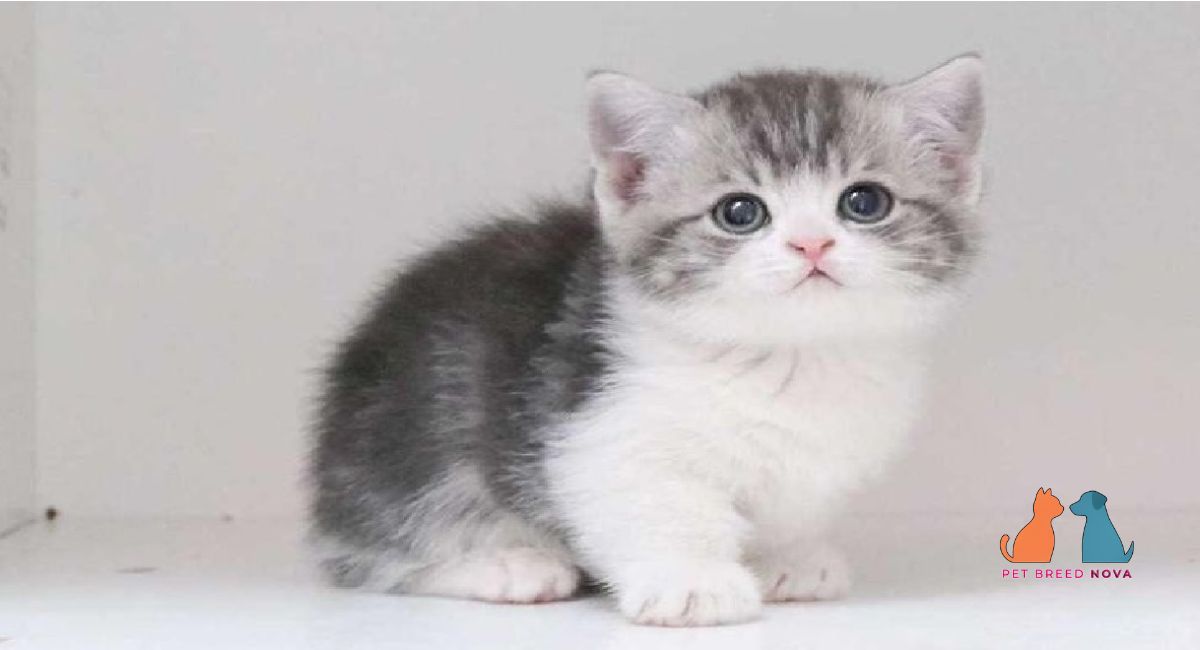
The Munchkin cat breed has captured the hearts of cat lovers with its tiny legs, playful energy, and adorable appearance. Often called a short-legged cat or even a sausage cat, this charming feline stands out among other domestic cat breeds because of its unusual body shape and lively personality. Despite their small size, Munchkins are active, curious, and surprisingly fast around the house. Many owners describe them as affectionate companions that enjoy attention and indoor playtime.
Their unique look comes from a natural genetic mutation, which has also sparked debates about breeding ethics. Still, these lovable cats continue gaining popularity across the USA and Europe among families searching for friendly and entertaining pets. This guide explores every detail about the breed including history, health, behavior, genetics, prices, controversies, and care needs.
What Is the Munchkin Cat Breed?
The Munchkin cat breed is a famous miniature cat breed known for its unusually short legs. Despite their height, these cats move quickly and behave like ordinary felines. Their compact bodies, expressive faces, and energetic nature make them one of the most recognizable unique cat breeds in the modern pet world. They belong to a category many people describe as small cat breeds or even exotic cat breeds because of their rare appearance.
This breed became popular because owners noticed their incredible personalities. The cats remain active, curious, and affectionate throughout life. Many people describe the breed as one of the best family-friendly cats for apartments and indoor living. Their cheerful nature also makes them ideal pet cats for children and seniors. The famous low-sitting posture explains why people affectionately use the term short-legged feline when discussing this breed.
The Fascinating Munchkin Cat History
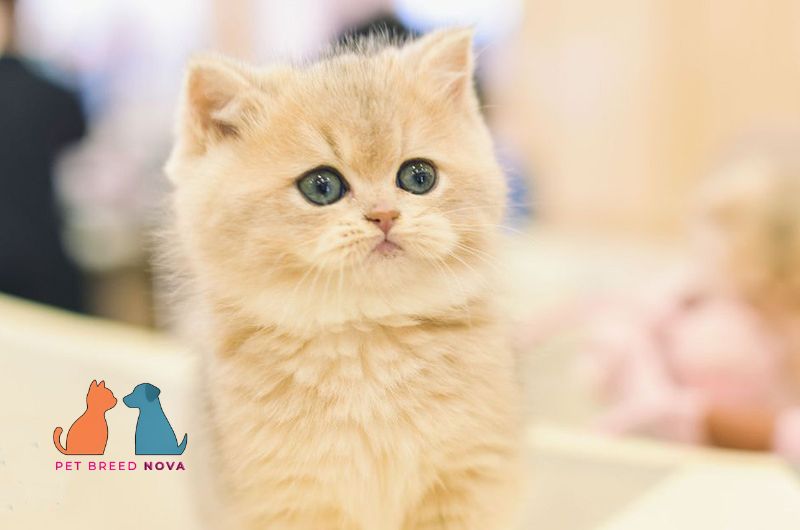
The story of the breed began in the 1980s when a teacher named Sandra Hochenedel discovered a pregnant stray in Louisiana. She named the feline Blackberry cat. Some kittens in the litter had very tiny legs. One famous kitten named Toulouse cat later became one of the foundation cats for the breed. This marked the beginning of modern Munchkin cat history and the development of organized breeding efforts.
The breed later gained attention from TICA or The International Cat Association. In 1991 the organization introduced the breed publicly as an experimental cat breed. Years later the cat achieved recognition as a championship-status breed under the TICA cat breed system. However, several major cat registries including CFA, GCCF, and FIFe still refuse official recognition because of concerns about ethical cat breeding and feline health.
Munchkin Appearance and Physical Features
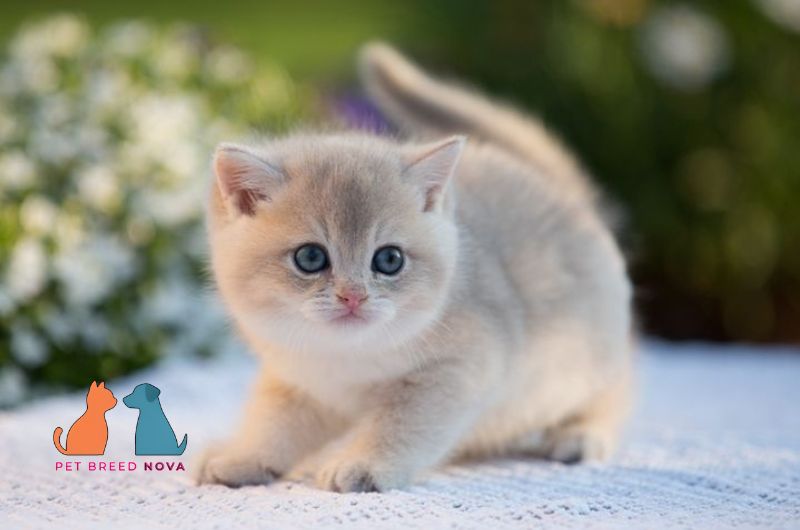
The first thing people notice about the breed is the legs. The body looks normal in size while the legs appear tiny and low. This creates the iconic look associated with the dwarf cat breed nickname. Although short, the body remains muscular and balanced. Their faces usually feature large ears and soft walnut-shaped eyes that create a sweet and intelligent expression.
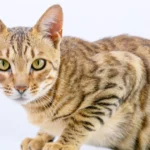
The breed comes in almost every color and pattern imaginable. You can find longhair Munchkin cats with fluffy coats or shorthair Munchkin cats with sleek fur. Their variety of cat colors and patterns makes them visually exciting for owners. Some cats display spotted coats while others show striped or solid fur. These striking looks place them among the most admired rare cat breeds and famous cat breeds worldwide.
Munchkin Size Comparison Table
| Feature | Male | Female |
| Weight | 6–9 pounds | 4–8 pounds |
| Height | Very short legs | Very short legs |
| Lifespan | 12–15 years | 12–15 years |
| Body Type | Medium muscular body | Smaller compact body |
Cat Genetics Explained in Simple English
Many people ask about Munchkin cat genetics explained because the breed looks so unusual. Scientists discovered that a dominant gene mutation causes the tiny legs. This special gene affects bone growth without shrinking the rest of the body. The condition belongs to a type of feline genetics associated with feline dwarfism. Experts also call it a naturally occurring mutation because it appeared naturally in cats rather than through laboratory science.
The breed survives because only one copy of the mutation exists in healthy cats. When two mutated genes combine, the embryo usually cannot survive. This concept relates to cat embryo genetics, heterozygous mutation, and genetic inheritance in cats. Healthy Munchkins carry only one mutated gene. This explains why breeders sometimes produce normal kittens and sometimes produce short-legged offspring within the same litter.
Munchkin Personality and Behavior
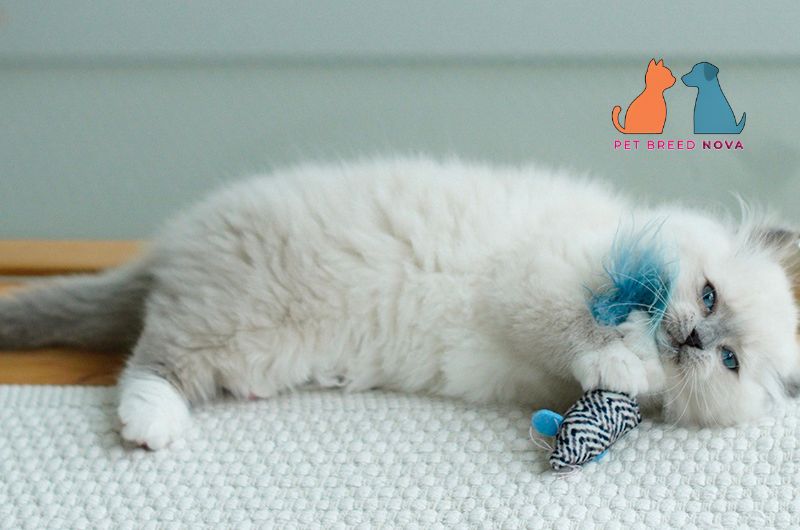
The Munchkin personality and behavior often surprise first-time owners. These cats behave like energetic toddlers trapped in furry bodies. They chase toys, explore shelves, and follow humans everywhere. Many owners describe them as some of the most playful cats and intelligent cats they have ever raised. Their outgoing nature makes them one of the best friendly cat breeds for families.
Even though they have short legs, they remain fast and active. Their strong curiosity encourages constant movement. Many owners compare them to ferrets because of their silly running style. The breed also belongs among the most loving affectionate cat breed choices for apartment living. Their gentle social behavior allows them to adapt easily to homes with children, dogs, and other cats.
“A Munchkin may have tiny legs, yet it carries a giant personality.”
Can Munchkin Cats Jump and Run Normally?
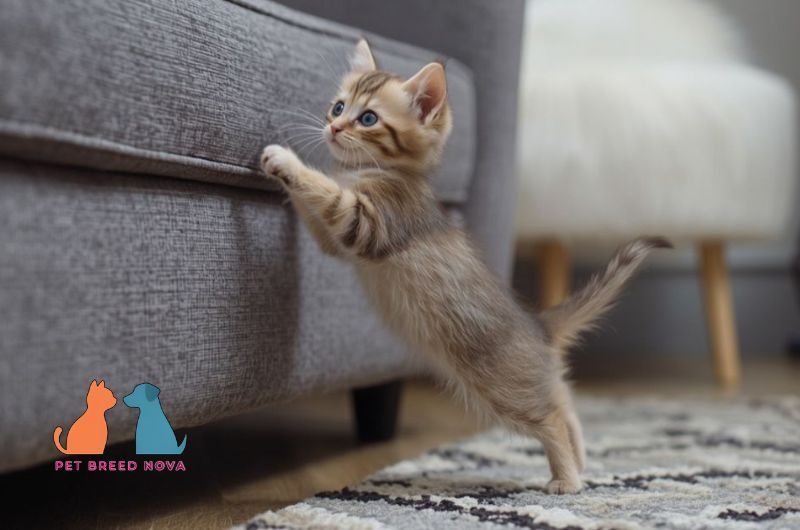
People frequently ask Can Munchkin cats jump? because of their unusual legs. Surprisingly these cats can run quickly and climb furniture with ease. They may not jump as high as long-legged breeds, yet they remain highly mobile and playful. Their natural athletic ability proves that the breed still maintains healthy cat mobility despite its short stature.
Researchers continue studying mobility in dwarf cats to understand long-term health effects. Most healthy cats show excellent movement during daily activities. However extremely short legs can sometimes increase pressure on joints. Owners should provide safe climbing areas and avoid high furniture jumps. Proper care helps maintain healthy feline mobility throughout the cat’s life.
Munchkin Health Issues and Lifespan
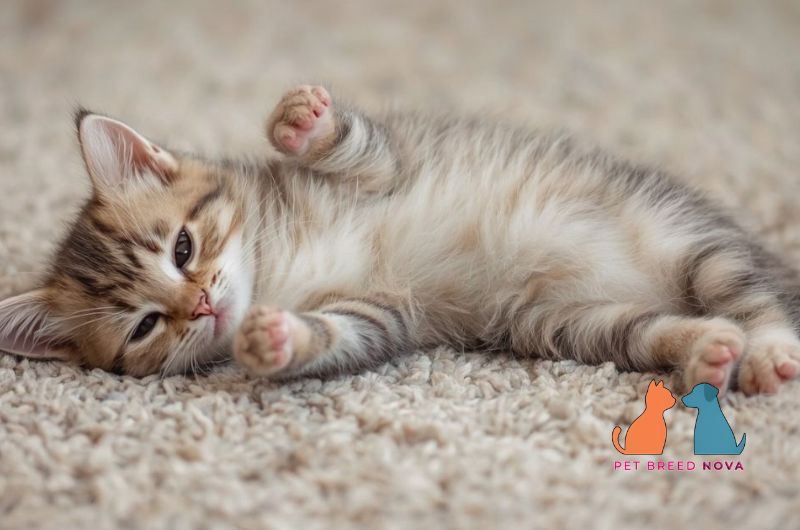
The topic of Munchkin lifespan and health issues remains controversial among veterinarians. Some experts believe the breed experiences more spinal and joint problems than normal cats. Others argue healthy breeding practices reduce most risks. Responsible breeders carefully monitor bloodlines to avoid severe health complications linked to congenital defect in cats discussions.
Most healthy Munchkins live between 12 and 15 years. Good nutrition, exercise, and veterinary care improve longevity. Owners should maintain proper body weight because obesity can stress the spine and legs. Many experts recommend high-quality diets rich in protein because active cats require strong muscle support. Learning the Best food for Munchkin cats helps reduce stress on joints and bones.
| Common Health Concern | Possible Effect |
| Obesity | Joint stress |
| Arthritis | Reduced movement |
| Lordosis | Spinal issues |
| Pectus Excavatum | Chest deformity |
Munchkin Cat Care Guide for Beginners
A proper Munchkin cat care guide starts with indoor safety. Since these cats have shorter legs, they perform best as an indoor cat breed. Owners should provide soft climbing furniture and easy-access resting spots. Although active, these cats appreciate secure environments where they can explore safely without dangerous falls.
Grooming depends on coat type. Munchkin cats with long hair need brushing several times each week to avoid mats. Shorthair varieties need less maintenance. Regular play sessions also matter because the breed enjoys stimulation. Puzzle toys, tunnels, and climbing trees keep their minds busy. Their curious behavior explains why they rank among the most entertaining small house cats for families.
Munchkin Cat Mixes and Designer Breeds
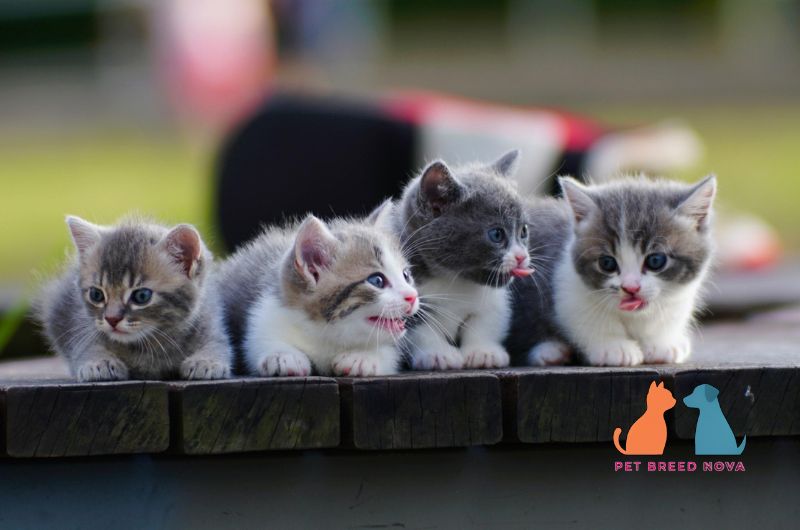
The popularity of Munchkin cat mixes has created an entire world of modern designer feline breeds. Breeders combine Munchkins with other cats to produce unique physical features. These hybrids often inherit short legs along with traits from other breeds. This trend has made the Munchkin one of the most influential foundations for modern designer cat breeds.
Some famous examples include the Bambino cat, Minskin cat, Lambkin cat, Skookum cat, Kinkalow cat, Genetta cat, Minuet cat, and Napoleon cat. Breeders also create hybrids such as the Bengal mix cat, Sphynx mix cat, Persian mix cat, American Curl mix, Selkirk Rex mix, LaPerm cat, and Scottish Fold mix combinations. These cats often appear among the most eye-catching hybrid cat breeds in the pet market.
The Ethical Debate Around the Breed
The topic Are Munchkin cats ethical? continues dividing cat enthusiasts worldwide. Critics argue breeders intentionally reproduce physical deformities. They believe the breed promotes unhealthy body structures. Supporters disagree and claim responsible breeding maintains healthy and active cats. This disagreement fuels the ongoing Munchkin cat breed controversy across Europe and America.
Organizations including CFA, GCCF, and FIFe refuse official recognition because of concerns related to breeding ethics, cat breeding controversy, and ethical concerns in breeding. Supporters respond by explaining the cats live normal lives with proper care. This ongoing cat dwarfism debate keeps the breed at the center of discussions involving modern cat breed standards and cat breed recognition.
Munchkin Cat Price in the USA and Europe
The average Munchkin cat price varies depending on pedigree, coat type, and breeder reputation. In the USA healthy kittens often cost between $1,500 and $3,500. European prices may become even higher because fewer breeders operate legally in some countries. Rare coat colors and hybrid lines usually increase the price significantly.
Buyers should always choose ethical breeders with transparent health records. Responsible breeders focus on safe selective breeding practices instead of profit alone. Avoid suspicious sellers offering cheap kittens without health certificates. Healthy breeding programs protect future generations from unnecessary health problems related to poor cat breeding program management.
Munchkin Cat Pros and Cons
The biggest advantage of owning a Munchkin lies in its personality. These cats remain social, funny, and affectionate. They adapt well to apartment living and form strong bonds with humans. Their unusual appearance also attracts attention from visitors. Many owners describe them as perfect companions for modern city lifestyles.
Still the breed comes with disadvantages. Veterinary care can become expensive if joint problems appear. Ethical concerns also make some people uncomfortable supporting breeders. Future owners should carefully study Munchkin cat pros and cons before making a final decision. Understanding both sides helps people choose responsibly.
| Pros | Cons |
| Loving personality | Ethical controversy |
| Cute appearance | Expensive price |
| Apartment friendly | Possible joint problems |
| Intelligent behavior | Limited breed recognition |
Final Thoughts on the Munchkin Cat Breed
The Munchkin cat breed facts reveal a fascinating animal filled with charm, controversy, and scientific curiosity. Their tiny legs may look unusual, yet these cats continue winning hearts worldwide through their playful personalities and affectionate nature. They remain one of the most recognized unusual cats in modern feline culture.
Whether you admire them or question the ethics behind breeding them, the popularity of the Munchkin continues growing every year. Their story combines science, companionship, and controversy in a way few other breeds can match. For cat lovers searching for unique companionship, this tiny feline leaves a giant impression.
FAQs
How much does a Munchkin cat cost?
A Munchkin cat usually costs between $1,500 and $3,500 depending on the breeder, bloodline, coat type, and location.
Are Munchkins a breed of cat?
Yes, the Munchkin is a recognized cat breed known for its unusually short legs and playful personality.
What is the least wanted cat?
There is no official “least wanted” cat breed, but cats with serious health issues or behavioral problems are often adopted less frequently.
Is a Munchkin cat rare?
Yes, Munchkin cats are considered relatively rare because not all cat associations recognize the breed and ethical breeding is limited.
Do Munchkin cats have a disability?
Munchkin cats have a natural genetic mutation that causes short legs, but many live active and healthy lives with proper care.
Meta Description
Discover the Munchkin cat breed, its personality, health, care, genetics, and why this short-legged cat is so popular.
If you have any questions, feel free to Contact Us

Asher Nova is a passionate pet enthusiast and feline behavior researcher with over a decade of experience exploring unique cat breeds. Through Pet Breed Nova, he shares factual insights to help pet parents give their companions the best care possible.






3 thoughts on “Munchkin Cat Breed: Complete Guide to the Famous Short-Legged Cat”