
The Bichon Frise is a charming little dog known for its fluffy white coat, cheerful personality, and loving nature. This small dog breed has won the hearts of families across the USA and Europe because of its playful attitude and gentle behavior.
As an affectionate dog breed, it enjoys human companionship and adapts well to different lifestyles, including apartment living. Although often called a hypoallergenic dog, no breed is completely allergy-free. With proper grooming, training, nutrition, and care, this friendly companion can become a wonderful family member for many years.
What Is a Bichon Frise?
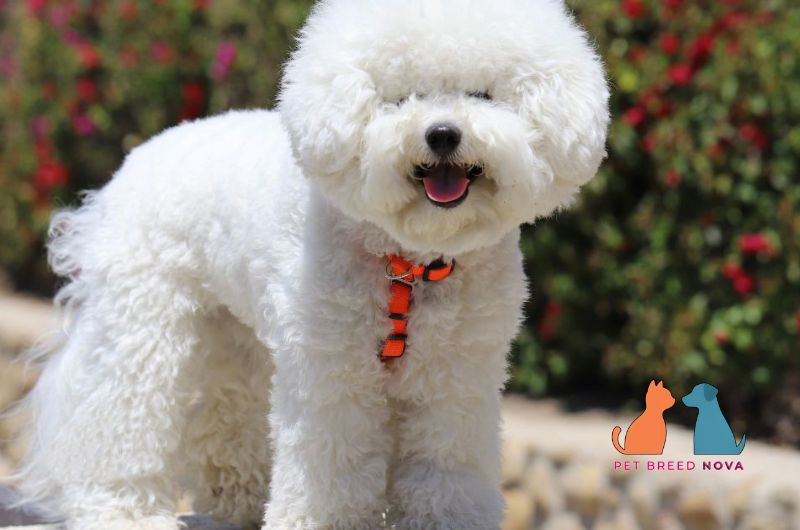
The Bichon Frise is a cheerful companion that traces its roots to the Mediterranean region. It belongs to a family of Barbi chon-type dogs that also includes the Maltese, Havanese, and Bolognese. Over time, sailors carried these dogs across Europe where they became favorites among noble families. Today, the breed remains one of the most admired companion dogs in many countries.
This companion pet stands under one foot tall and usually weighs between 12 and 18 pounds. Despite its small size, the Bichon Frise carries itself with confidence and grace. Many owners consider it an indoor dog because it enjoys staying close to its family. Its friendly personality and adaptability make it an excellent social companion for different households.
| Breed Feature | Details |
| Breed Group | Non-sporting dog group |
| Height | 9.5–11.5 inches |
| Weight | 12–18 pounds |
| Lifespan | 14–15 years |
| Coat Type | Curly and fluffy |
| Temperament | Friendly, playful, affectionate |
Bichon Frise Characteristics and Appearance
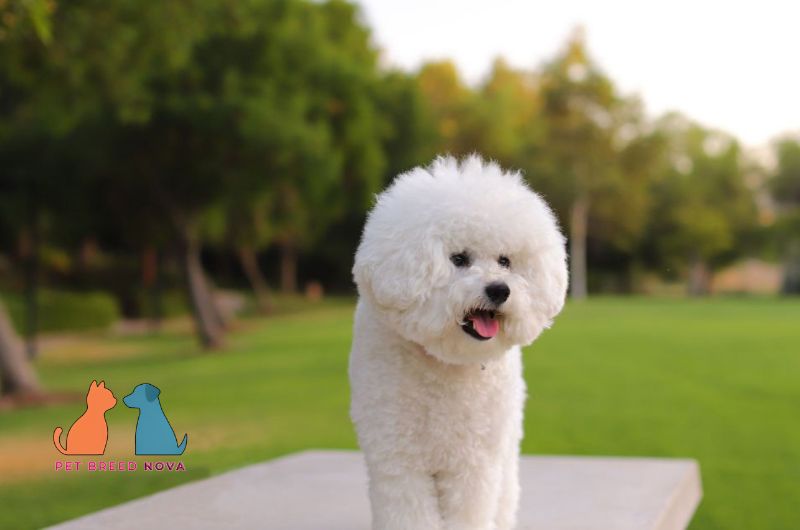
One look at the Bichon Frise explains why people fall in love with this breed. Its bright eyes, black nose, and cloud-like coat create an adorable appearance. The breed is recognized for its soft double coat that gives it a powder-puff look. Because it sheds very little, many people classify it as a low-shedding dog.
The coat is usually white, although cream or apricot shading may appear around the ears and body. The breed’s compact frame makes it one of the most attractive small breed dogs. While many people ask, “Are Bichon Frise hypoallergenic?” no dog is completely allergy-free. However, this hypoallergenic dog may be a suitable choice for some allergy sufferers due to its minimal shedding.
Bichon Frise Temperament and Personality
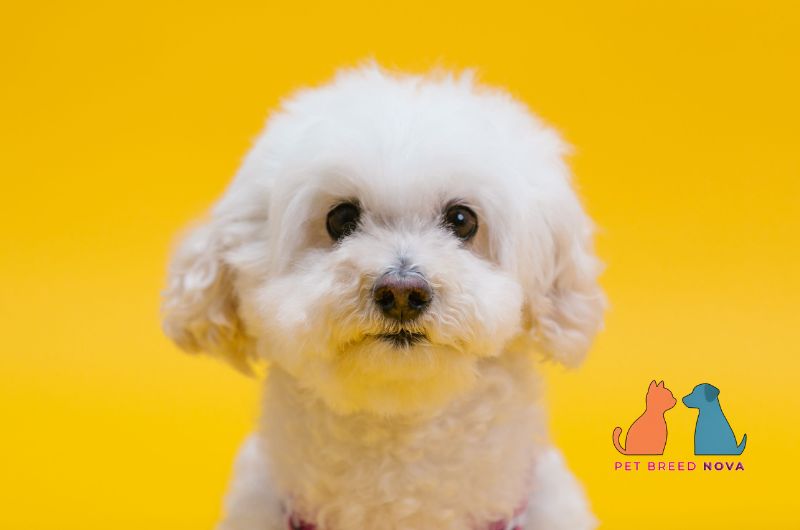
The biggest strength of this breed is its personality. This affectionate dog breed enjoys spending time with people and rarely wants to be left alone for long periods. It loves attention and often entertains its family with playful behavior. Because of this cheerful nature, the breed remains one of the most popular choices for families and seniors.
This canine’s temperament is gentle and welcoming. Most dogs get along well with children, visitors, and other pets. The breed is naturally curious and enjoys meeting new people. This makes the Bichon Frise excellent family companion dog and a reliable social companion. Owners who invest time in socialization often enjoy a confident and well-mannered pet.
Bichon Frise Training and Exercise Needs

Training a dog of this breed can be enjoyable because they love praise and rewards. Most dogs learn commands quickly when positive reinforcement is used. Consistent routines help build good habits from an early age. These qualities make the breed a great option for first-time dog owners looking for an easy-to-train companion.
The Bichon Frise training tips most experts recommend include short training sessions and daily practice. Although small, this playful dog still needs physical activity and mental stimulation. Its exercise needs are moderate. Daily walks, puzzle toys, and interactive games usually keep the dog happy and healthy. Even during apartment living, regular exercise remains important.
Bichon Frise Diet and Nutrition
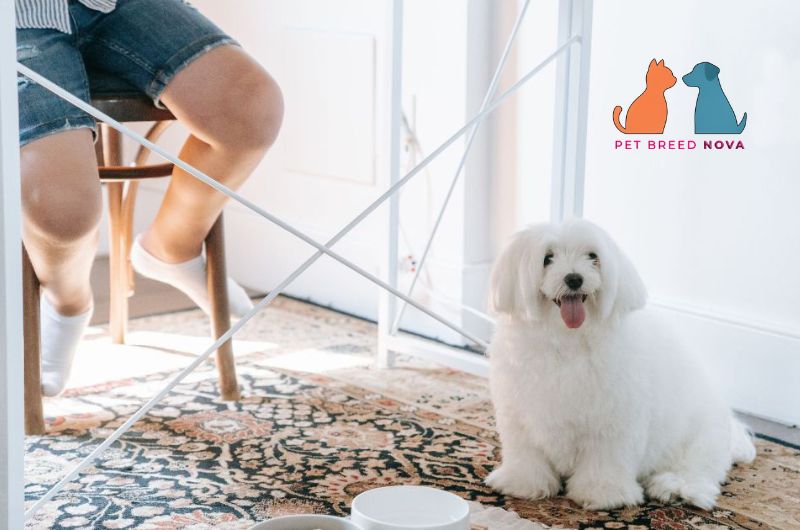
A healthy diet plays a major role in keeping your dog active and happy. Although this breed is small, it has unique nutritional needs that support energy levels, coat quality, and overall wellness. Following proper Bichon Frise feeding requirements helps prevent weight gain and reduces the risk of nutrition-related problems.
The best food for a pet should contain quality protein, healthy fats, vitamins, and minerals. Puppies need nutrient-rich meals because their bodies are still developing. Adult dogs usually need balanced portions based on their activity level, age, and health condition. A veterinarian can help create a feeding plan that matches your dog’s individual needs.
| Life Stage | Recommended Nutrition Focus |
| Bichon Frise Puppy | Protein-rich food for growth and development |
| Adult Bichon Frise | Balanced meals with controlled calories |
| Senior Bichon Frise | Joint support and easily digestible nutrients |
Many owners accidentally overfeed small dogs because their begging behavior is adorable. However, extra calories can quickly lead to obesity. Measure meals carefully and choose healthy treats. Fresh water should always be available because hydration supports digestion and body function. A proper diet also helps maintain the beautiful coat that makes this small dog breed so recognizable.
Bichon Frise Grooming and Coat Care
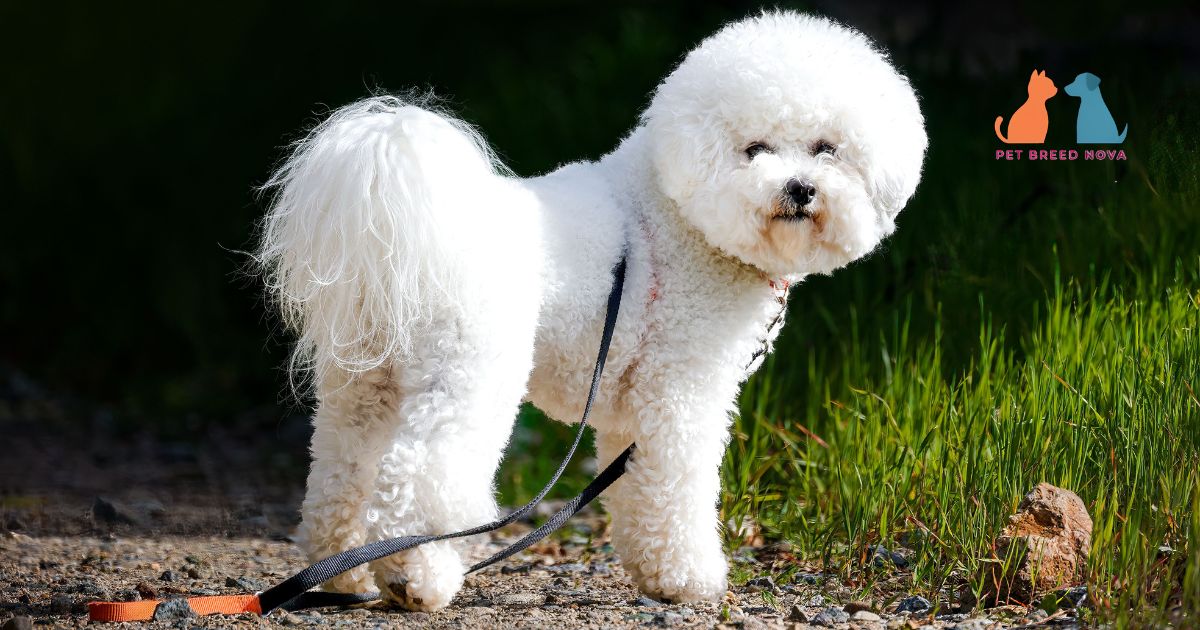
The fluffy appearance of a Bichon Frise requires regular attention. Unlike some breeds that need occasional brushing, this dog needs a consistent grooming routine. Understanding this breed’s grooming needs helps owners prevent painful mats and keep the coat soft. A neglected coat can become tangled close to the skin and cause discomfort.
Professional grooming is an important part of ownership. Most of this breed dogs need a grooming appointment every four to six weeks. Professional dog grooming keeps the coat shaped properly and allows experts to check the skin, ears, and nails. Daily brushing at home removes loose hair and prevents knots from forming.
| Grooming Task | Recommended Frequency | |
| Brushing | Daily or several times weekly | |
| Bathing | Every 3–4 weeks | |
| Professional grooming | Every 4–6 weeks | |
| Nail trimming | Every few weeks | |
| Dental care | Several times weekly | |
Eye care is also important because some of these dogs develop tear staining around their eyes. Gentle cleaning can help maintain a fresh appearance. Ear cleaning prevents wax buildup and infections. Regular grooming is not only about beauty. It protects your dog’s comfort and health.
Dental hygiene deserves special attention in small breeds. Many canines of this breed develop dental disease because their small mouths create crowded spaces where bacteria collect. Without proper care, plaque can harden into Tartar buildup, leading to Bad breath in dogs, infections, and even Tooth loss.
Common Bichon Frise Health Problems
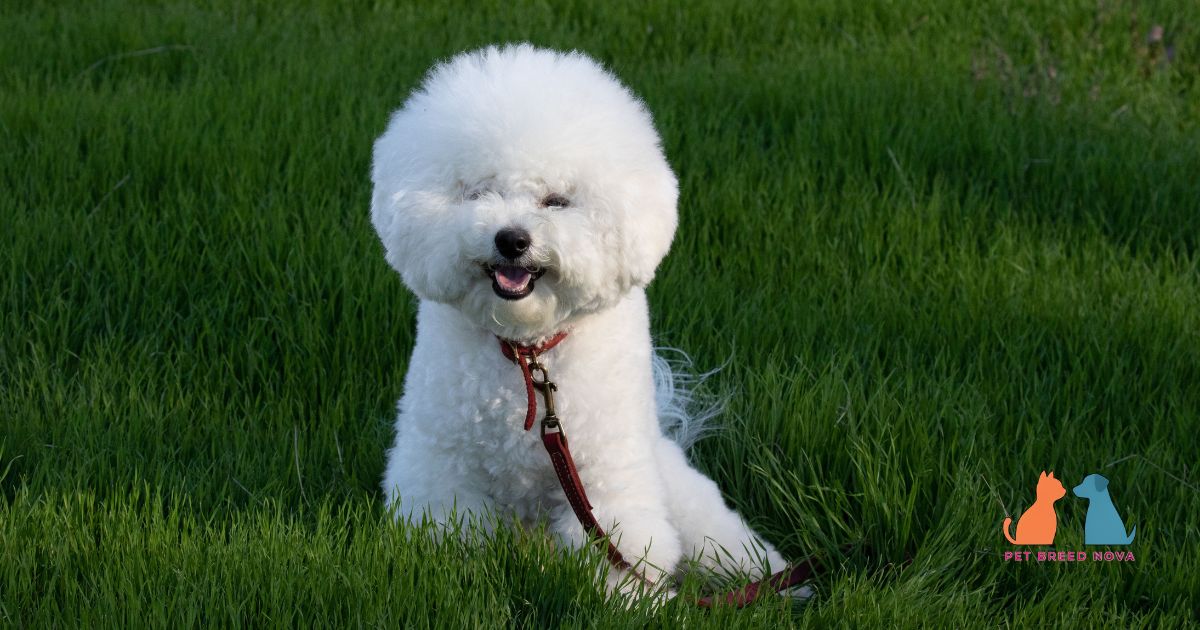
This breed is generally a healthy breed with a long life expectancy. However, like all dogs, it can develop certain inherited and age-related conditions. Understanding Bichon Frise health problems helps owners notice warning signs early and seek proper treatment.
Regular veterinary visits are essential because prevention is better than emergency treatment. Professional Veterinary care allows your dog’s health to be monitored through examinations, vaccinations, and routine tests. Responsible breeders also screen their dogs to reduce the chances of passing inherited conditions to puppies.
| Health Condition | Description |
| Diabetes Mellitus | A condition affecting blood sugar control |
| Corneal Dystrophy | An eye condition affecting the cornea |
| Cataracts | Clouding of the eye lens that may affect vision |
| Bladder Stones | Mineral formations that develop in the urinary system |
| Dental Disease | Problems caused by plaque and bacteria buildup |
One common issue in Bichon Frise is Diabetes Mellitus, which affects the body’s ability to control sugar levels. The Pancreas normally produces insulin that helps manage glucose. When this system fails, dogs may require special diets and Insulin injections to maintain healthy Blood sugar regulation.
Another concern is Corneal Dystrophy, an inherited eye condition that can create cloudy areas on the cornea. Some Bichons may also develop Cataracts, which affect vision as the lens becomes cloudy. If you notice redness, squinting, or vision changes, an Eye specialist may be needed for further evaluation.
Urinary problems can also occur. Bladder Stones may form from different minerals, including Calcium oxalate stones and Calcium phosphate stones. Signs may include difficulty urinating, blood in urine, or frequent bathroom trips. Early veterinary attention can prevent complications.
Bichon Frise Lifespan and Living Requirements
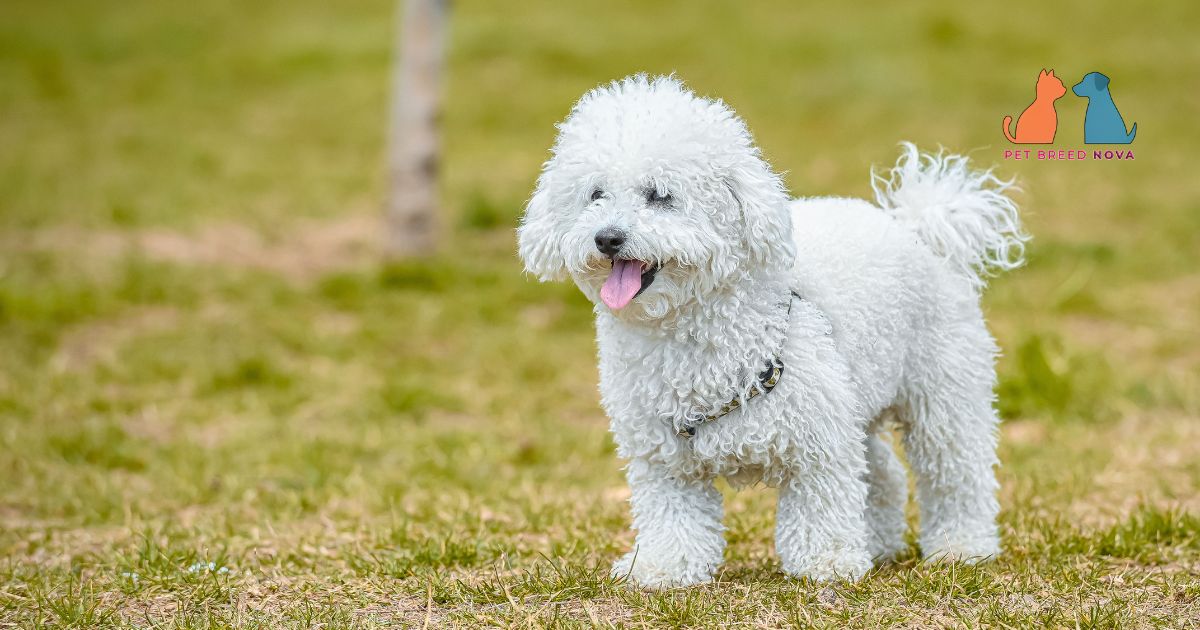
The Bichon Frise lifespan usually ranges between 14 and 15 years. Some healthy dogs live even longer with proper nutrition, exercise, and medical care. This places the breed among the most Long-lived dog breeds when owners provide responsible care throughout their lives.
This breed adapts well to many homes. It can happily live in a large house, a city apartment, or a smaller living space. Many families choose a Bichon because it is an Apartment-friendly dog that does not require a huge backyard. However, indoor living does not mean avoiding exercise.
A comfortable home environment should include daily interaction, mental stimulation, and safe spaces for rest. This fluffy dog enjoys being near people and may become unhappy when ignored for long periods. This makes it a wonderful social companion for owners who enjoy spending time with their pets.
| Living Factor | Bichon Frise Requirement |
| Home Size | Suitable for apartments and houses |
| Exercise | Daily walks and play sessions |
| Human Interaction | High need for companionship |
| Climate | Comfortable indoor environment |
| Family Style | Singles, seniors, and families |
The breed is sensitive to extreme weather because of its small body size. During hot months, owners should provide shade and fresh water. During colder seasons, a warm indoor area helps maintain comfort. Their small size and playful nature also make them excellent indoor roommates for pocket-sized felines like the Munchkin cat. With the right environment, this adorable animal can become a joyful member of your family for many years.
FAQs
What is the downside of a Bichon Frise?
Bichon Frise dogs need regular grooming and may suffer from separation anxiety if left alone for long periods. They can also develop dental and eye problems.
Is a Bichon Frise expensive?
Yes, a Bichon Frise can be expensive due to the puppy price, grooming needs, veterinary care, and regular maintenance costs.
Do Bichon Frise bark a lot?
Bichon Frise dogs can bark when excited, bored, or alerting their owners, but proper training can help control excessive barking.
Which is better, a Bichon or a Shih Tzu?
Both are excellent companion dogs. Bichons are more playful and energetic, while Shih Tzus are usually calmer and more relaxed.
What is the calmest small dog breed?
Some of the calmest small dog breeds include the Cavalier King Charles Spaniel, Shih Tzu, Maltese, and French Bulldog.
Meta Description
Meet the Bichon Frise: a fluffy, cheerful little pup that radiates pure joy! Discover its loving nature, care tips, and more.

Asher Nova is a passionate pet enthusiast and feline behavior researcher with over a decade of experience exploring unique cat breeds. Through Pet Breed Nova, he shares factual insights to help pet parents give their companions the best care possible.









2 thoughts on “Bichon Frise: Complete Guide to Personality, Care, Health, Grooming, and Costs”