Introduction to the Persian Cat
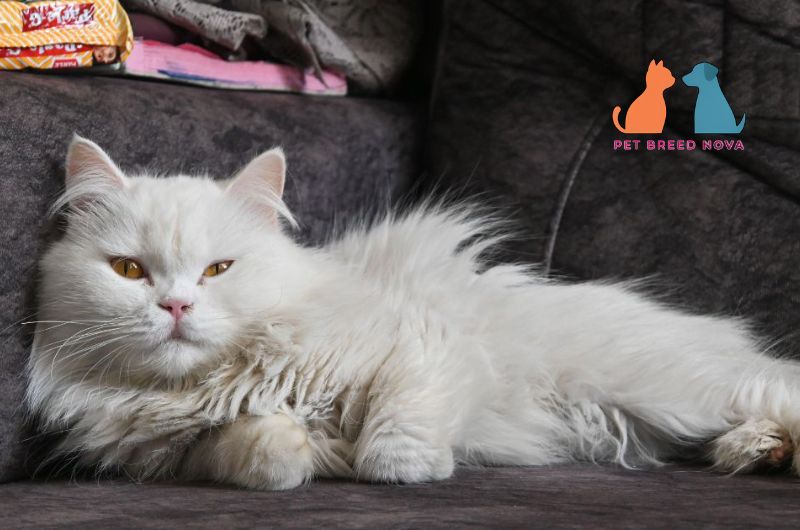
The Persian Cat is one of the most admired feline companions in the world, known for its calm charm and royal beauty. This beautiful breed stands out with its long silky coat, round face, and gentle eyes that instantly capture attention. The luxurious coat, sweet eyes, and peaceful habits make the Persian a true symbol of elegance among cat lovers worldwide.
Many families in the USA and Europe love this fluffy Persian cat because it fits perfectly into a peaceful indoor lifestyle. Its slow, relaxed behavior makes it an ideal choice for people seeking a quiet friend at home. This beautiful quiet indoor cat prefers calm spaces over noisy activity. The Persian cat personality is soft, affectionate, and deeply loyal once trust is built. Overall, this breed combines elegance, comfort, and emotional warmth in a truly unique way.
| Persian Cat Quick Facts | Details |
| Breed Type | Purebred Persian cat |
| Coat Type | Long and silky |
| Temperament | Calm and affectionate |
| Average Lifespan | 12–15 years |
| Activity Level | Low to moderate |
| Best For | Indoor homes and quiet families |
Persian Cat Characteristics
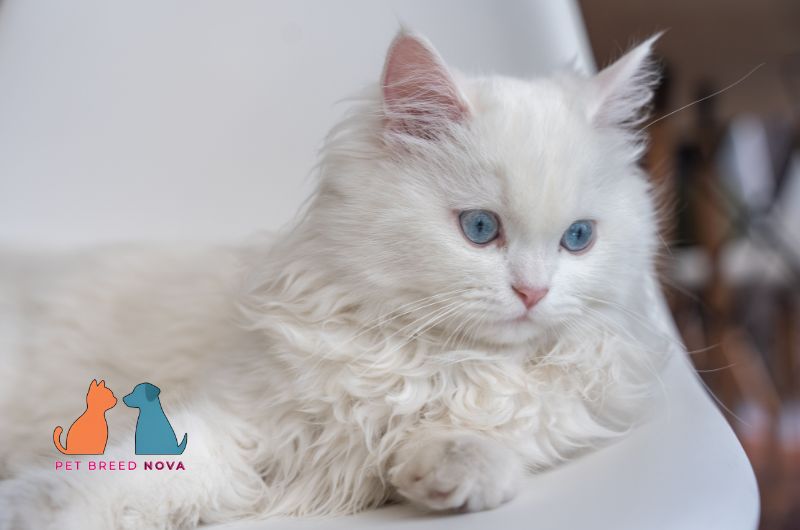
The first thing people notice about this breed is its luxurious coat and round face. Its appearance includes large eyes, thick legs, tiny ears, and a compact body. Most Persians weigh between 7 and 13 pounds. Their soft coat creates the famous fluffy look many owners adore. This breed also carries beautiful eye shades including copper, green, hazel, and deep blue.
The charming Persian cat characteristics extend beyond beauty alone. This breed stays relaxed for most of the day and rarely creates trouble inside the home. Their classic temperament feels quiet and dignified. Some owners describe the breed as “a living cloud with manners.” Their calm reactions and loving attachment make them a trusted companion for seniors, couples, and apartment dwellers.
Persian Cat Personality & Temperament
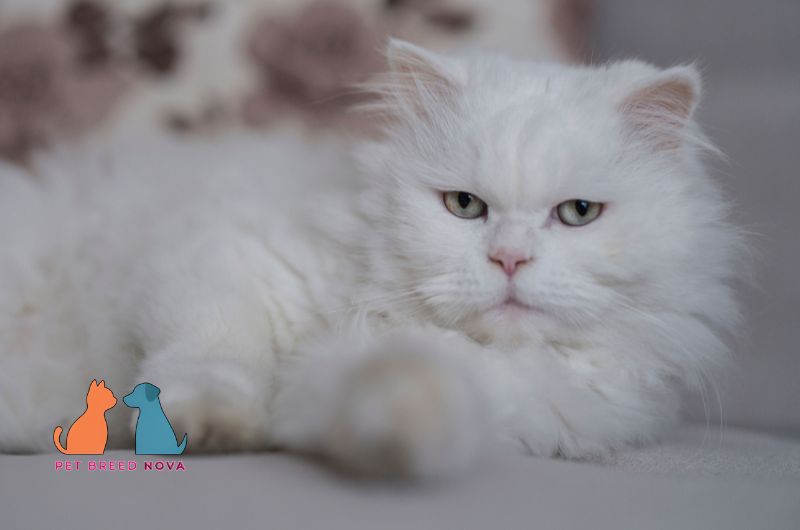
The gentle nature of this breed separates it from more active cats. Their famous personality feels soft, loving, and emotionally steady. This calm cat breed enjoys spending hours near its owner without demanding constant attention. Persian cats usually dislike chaos and loud movement. Instead, they thrive in homes with stable schedules and soft surroundings.
Families often appreciate the relaxed Persian cat behavior around children and visitors. Most Persians avoid aggression and simply walk away from stressful situations. This peaceful companion cat can bond deeply with one person while still remaining affectionate toward others. Many experts believe proper Persian kitten socialization helps the cat become more confident during adulthood.
“A Persian cat doesn’t chase attention. It quietly earns your affection every single day.”
History & Origin of Persian Cats
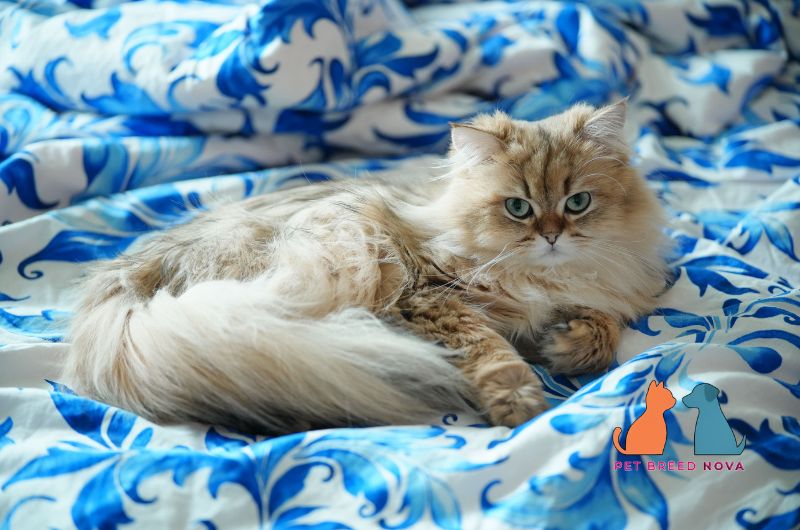
This breed has a fascinating past stretching back hundreds of years. Historians believe the breed originated in Persia, which is modern-day Iran. Traders introduced these elegant cats to Europe during the 1600s. Wealthy families quickly admired their unusual coats and calm manners. Soon, the breed became associated with luxury and royalty across Europe.
Over time, selective breeding changed the breed dramatically. Early Persians looked different from modern flat-faced cats seen today. Breeders developed shorter noses, rounder faces, and thicker coats to create the modern show-style Persian. Today, cat organizations across the USA and Europe officially recognize the Persian as one of the most iconic feline breeds in history.
Persian Cat Appearance & Colors
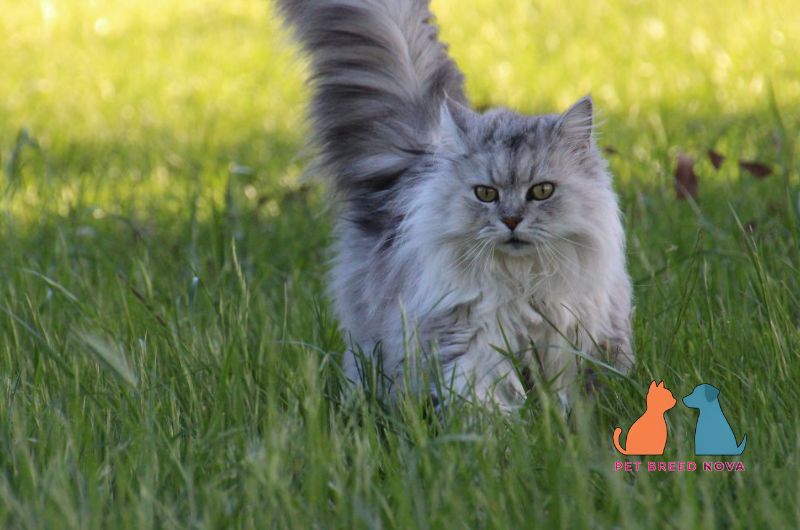
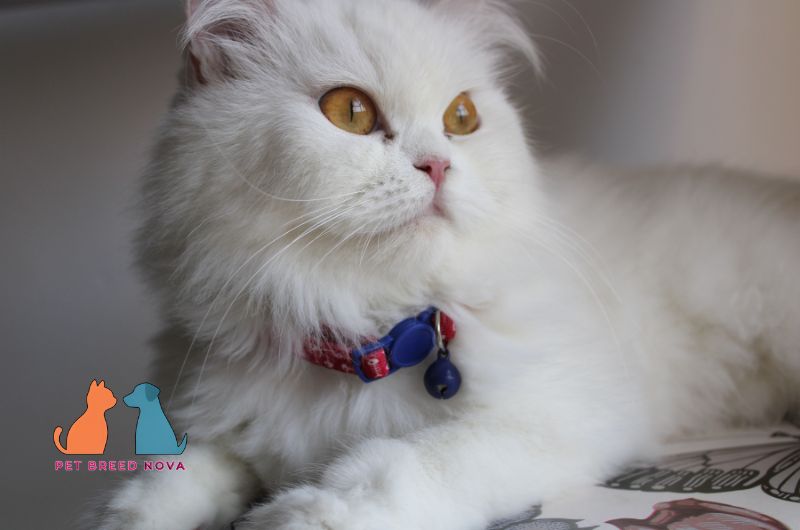
The breathtaking Persian cat appearance remains one of the breed’s strongest attractions. Their large round eyes, short nose, and broad face create a sweet expression. Some Persians have the classic doll-face appearance while others display the extreme flat face look. Both styles remain popular among cat lovers.
This breed also comes in stunning shades and patterns. Common colors include white, black, cream, blue, chocolate, and silver. Some coats display smoke, tabby, or tortoiseshell patterns. The heavy coat contains thick dense fur that feels silky and luxurious when properly maintained.
| Popular Persian Cat Colors | Description |
| White | Elegant and royal-looking |
| Blue | Soft gray-blue shade |
| Cream | Warm and smooth appearance |
| Black | Rich dark coat with copper eyes |
| Himalayan | Color-point Persian variation |
Persian Cat Grooming & Coat Care
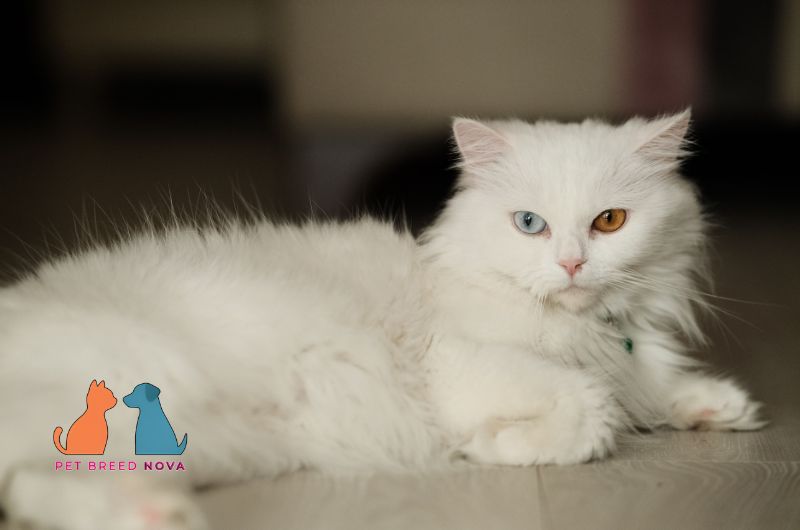
Owning this breed means committing to regular cat grooming. Their long coat tangles quickly if neglected. Daily brushing prevents painful mats and reduces heavy Persian cat shedding around the home. Many experienced owners compare the grooming process to caring for delicate silk fabric. Consistency matters more than speed.
A strong cat grooming routine includes brushing, nail trimming, bathing, and regular cat eye cleaning. Due to facial structure, many Persians suffer from watery eyes and visible cat tear staining. Good eye care helps avoid infections and skin irritation. Owners also rely on specialized grooming tools designed for long fur and thick undercoats of this breed.
| Essential Grooming Needs | Frequency | |
| Brushing | Daily | |
| Bathing | Every 4–6 weeks | |
| Eye Cleaning | Daily | |
| Nail Trimming | Every 2–3 weeks | |
| Dental Cleaning | Weekly or daily | |
Diet & Nutrition for Persian Cats
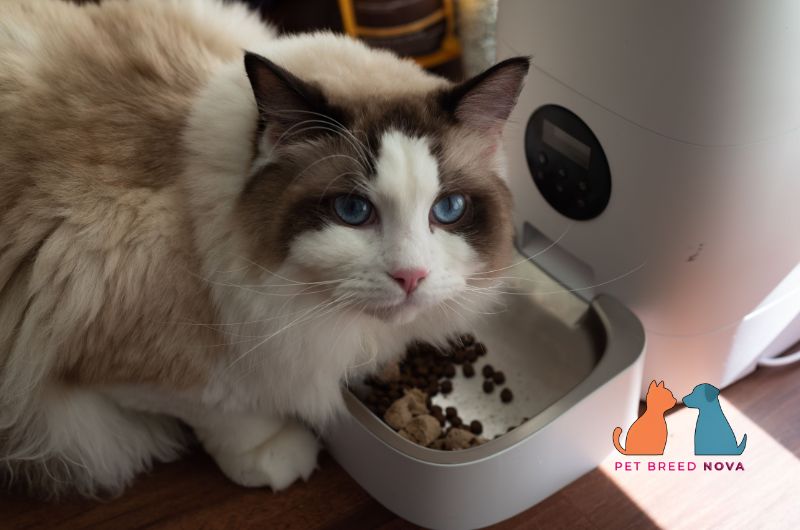
A healthy Persian cat diet supports coat quality, digestion, and long-term wellness. Since cats are true obligate carnivore animals, they need meat-rich meals filled with quality protein. Many veterinarians recommend wet food because it supports hydration and kidney health. The best food for these cats usually contains high protein with fewer fillers.
Some Persians become a picky eater cat because their flat face affects chewing comfort. Wide food bowls often help reduce frustration during meals. Good nutrition also helps control obesity in this naturally low energy cat breed. Owners should avoid excessive treats because unhealthy weight gain creates additional breathing and joint problems.
Exercise, Training & Indoor Activity
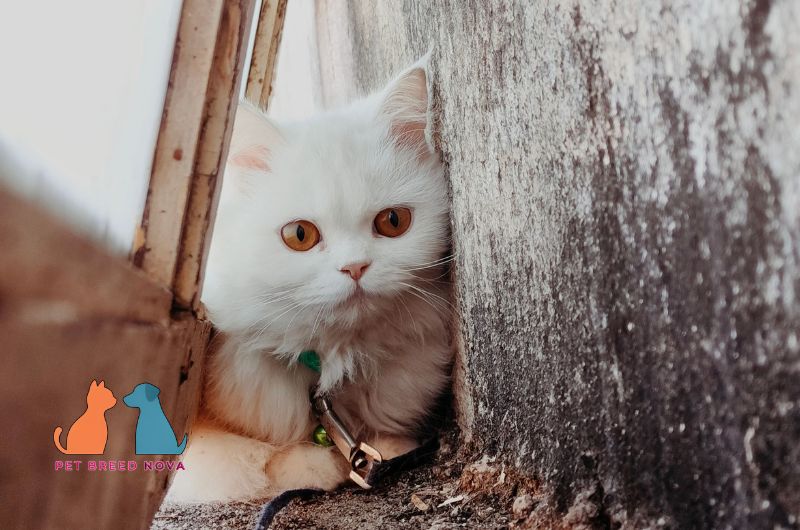
Although Persians appear lazy, they still need movement and stimulation. Regular exercise prevents boredom and supports a healthy cat weight. Interactive toys, climbing furniture, and soft play sessions work best. Most Persians enjoy calm activities instead of intense running or jumping. If you prefer a highly active feline with a unique look, the Munchkin cat breed might be a better fit.
Early training creates better habits throughout adulthood. Many owners successfully teach litter habits through positive reinforcement training. Proper litter training works best when kittens feel safe and comfortable. Mental games also improve cat mental stimulation and reduce stress inside the home.
Common Persian Cat Health Problems
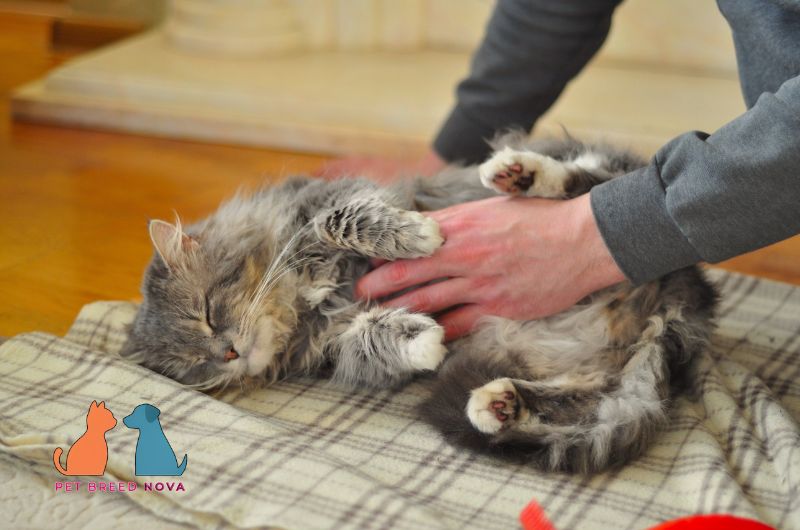
Every owner should understand common health problems before bringing this breed home. Their facial structure can create breathing issues, eye discharge, and dental complications. Many snub nose cat breeds struggle during hot weather because airflow becomes restricted. Routine veterinary care helps catch problems early.
Several common feline health conditions affect this breed more frequently than others. These include kidney disease, obesity, eye infections, and serious dental problems. Heavy coats also increase the risk of painful hairballs. Understanding its lifespan and health allows owners to provide better long-term care.
| Common Health Issue | Possible Cause |
| Breathing Problems | Flat facial structure |
| Hairballs | Excess fur swallowing |
| Dental Disease | Crowded jaw structure |
| Eye Infections | Tear drainage problems |
| Obesity | Low activity levels |
Things to Know Before Buying a Persian Cat
A cat of this breed may look glamorous, yet ownership requires patience and dedication. The average Persian cat price in the USA and Europe ranges from $800 to several thousand dollars depending on pedigree. Beyond purchase cost, owners must budget for grooming, quality food, and regular veterinary care.
Understanding the full pros and cons about this feline helps avoid future disappointment. This breed thrives in calm homes with reliable schedules. Busy households with loud pets may overwhelm them. Smart buyers always research complete cat breed information before making a decision.
Where to Buy or Adopt a Persian Cat
Choosing the right source matters greatly when buying this breed. Responsible breeders focus on healthy bloodlines and ethical care practices. Reputable adoption centers also provide loving Persian cats needing permanent homes. Future Persian cat owners should avoid suspicious online sellers with unclear health records.
Before purchase, ask detailed questions about vaccinations, genetics, and socialization history. A trustworthy breeder openly discusses grooming demands and possible medical concerns. This careful process supports better maintenance and healthier lifelong companionship.
Final Thoughts
This breed combines beauty, calmness, and emotional warmth in one elegant package. Its luxurious coat and peaceful nature continue attracting cat lovers worldwide. This breed fits owners who appreciate quiet companionship and gentle affection instead of constant activity.
A proper cat care guide includes grooming, nutrition, exercise, and emotional comfort. Owners willing to invest time into grooming and health care often receive years of loyal companionship. For many families, the Persian remains the perfect indoor feline friend.
FAQs
Is Persian cat a good breed?
Yes, Persian cats are a very good breed for calm homes. They are gentle, loving, and perfect for indoor living.
What are the two types of Persian cats?
The two main types are Doll-face Persian cats and Flat-face (Peke-face) Persian cats. Both differ in facial structure.
Which Persian cat is best?
Doll-face Persians are often considered easier to care for due to healthier breathing and fewer facial issues.
How do cats say I love you?
Cats show love by slow blinking, purring, rubbing against you, and staying close to your presence.
What breed is my Persian cat?
If your cat has a round face, long coat, and short nose, it is likely a Persian or Persian-type breed.
Meta Description
Persian Cat guide covering personality, care, grooming, diet, health issues, lifespan, and breed facts for cat lovers worldwide.

Asher Nova is a passionate pet enthusiast and feline behavior researcher with over a decade of experience exploring unique cat breeds. Through Pet Breed Nova, he shares factual insights to help pet parents give their companions the best care possible.









2 thoughts on “Persian Cat: Breed Profile, Personality, Care & Health Guide”